





- On sale!

*Existing Repeat Customers Discounted Too!


Reference: PQ5-VP-CREOLEP

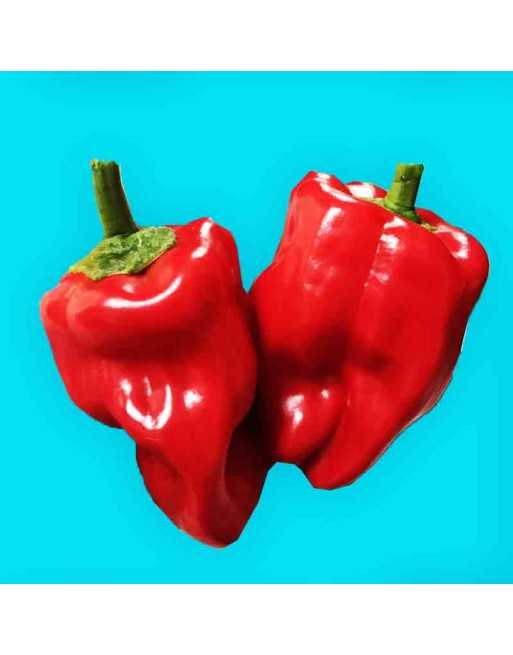
Criolla De Cocina is a traditional Nicaraguan sweet pepper producing medium-sized fruits (7–12 cm) that ripen from green to bright red. The peppers have thin walls, smooth skin, and a pleasantly sweet, slightly fruity flavor. Plants are compact to medium in size and highly productive, making them well suited for home gardens and warm climates.
Scoville Heat Units (SHU): 0–500 SHU
(Mild to sweet, with little to no heat.)
Cooking Use:
Excellent fresh in salads and salsas, or sliced into sandwiches and wraps. Its thin flesh roasts and blisters quickly, making it ideal for grilling, sautéing, or marinating. It also dries well for homemade paprika or pepper flakes and freezes successfully for later use.
| Type | Peppers |
| Family | Nightshade Family |
| Temperature Soil | 65-80F |
| Temperature Daytime | 70-90F |
| Temperature Evening | 60+F |
| Lighting | Full Sun, 6-8 Hours/Day |
| Water | Heavy, 6 Gallons/Day |
| Maturity | Moderate, 65-85 Days Harvest |
| PH Neutral | 5.5-7.0 |
| Zones | 4A-11B |
| Plant Placement | 6 Plants, 3 Row |
The many varieties of sweet and hot peppers thrive on full sun and warm weather. Cold temperatures can weaken pepper plants and they may never fully recover, so don’t rush to plant in the spring. Be certain to use the black side of the mulch covers to speed soil warming and early growth, but be careful, as they can also overheat the plants in certain climates. Peppers can be temperamental if temperatures are too hot or too cool. Nighttime temperatures below 60°F or above 75°F can reduce fruit set. Peppers need a steady supply of water for their best performance, so be sure to check water levels each day. Like tomatoes, you may find blossom end rot on your peppers, which can be easily corrected. Peppers are prone to sun scald, so moving them to partial shade can help if temperatures become too hot. Sweet peppers can be cut up and eaten raw, roasted and marinated, sauteed; or used in stews, soups, and stir fry. Hot peppers can be pickled, added to stew, used in stir fry, and are excellent when dried and ground to be used as a seasoning to give nearly any dish a little kick.
COMMON PESTS: Aphids, Flea Beetles
SUSCEPTIBLE TO: Mosaic Virus, Blossom End Rot, Sun Scald
![Yolo Wonder Red Bell Pepper, Sweet Pepper Seeds - [ Shop Canadian Seeds Online ] - Pepper Seeds -](https://www.seed2go.ca/8336-home_default/yolo-wonder-red-bell-pepper-sweet-pepper-seeds.jpg)
Harvest peppers when they are very firm and green or wait until they are fully mature and red in color.
Each packet contains 30 Yolo Wonder Bell Pepper seeds. Capsicum annuum. Annual. Open-pollinated, heirloom, non-GMO. Harvest in 75 days.
This packet plants a 40' row with 30 plants.
| Type | Peppers |
| Family | Nightshade Family |
| Temperature Soil | 65-80F |
| Temperature Daytime | 70-90F |
| Temperature Evening | 60+F |
| Lighting | Full Sun, 6-8 Hours/Day |
| Water | Heavy, 6 Gallons/Day |
| Maturity | Moderate, 65-85 Days Harvest |
| PH Neutral | 5.5-7.0 |
| Zones | 4A-11B |
| Plant Placement | 6 Plants, 3 Row |
![Deep Purple Bell Pepper, Beauty Sweet Pepper Seeds - [ Seed2Go.ca ] - [Seed Packets] - Pepper Seeds -](https://www.seed2go.ca/8117-home_default/dragonfly-aas-winner-deep-purple-bell-pepper-beauty-sweet-pepper-seeds.jpg)
Color: Starts green, turns deep purple, then red when fully mature.
Shape: Typically blocky, bell-shaped with 3-4 lobes, about 3-4 inches long.
Flesh: Thick, crisp, and juicy.
Taste: Mildly sweet, fresh, and sometimes described as slightly fruity.
Heat: 0 Scoville Heat Units (SHU), meaning it has no heat.
Uses
Excellent for fresh salads, crudités, and garnishes due to its color and crunch.
Great for roasting, stir-frying, or adding to other cooked dishes.
Adds a beautiful pop of color to any meal.
| Type | Peppers |
| Family | Nightshade Family |
| Temperature Soil | 65-80F |
| Temperature Daytime | 70-90F |
| Temperature Evening | 60+F |
| Lighting | Full Sun, 6-8 Hours/Day |
| Water | Heavy, 6 Gallons/Day |
| Maturity | Moderate, 65-85 Days Harvest |
| PH Neutral | 5.5-7.0 |
| Zones | 4A-11B |
| Plant Placement | 6 Plants, 3 Row |
![Orange King, Bell Pepper, Sweet Pepper Seeds - [ Seed2Go.ca ] - [Seed Packets] - Pepper Seeds -](https://www.seed2go.ca/7643-home_default/orange-bell-pepper-king-bell-sweet-pepper.jpg)
| Type | Peppers |
| Family | Nightshade Family |
| Temperature Soil | 65-80F |
| Temperature Daytime | 70-90F |
| Temperature Evening | 60+F |
| Lighting | Full Sun, 6-8 Hours/Day |
| Water | Heavy, 6 Gallons/Day |
| Maturity | Moderate, 65-85 Days Harvest |
| PH Neutral | 5.5-7.0 |
| Zones | 4A-11B |
| Plant Placement | 6 Plants, 3 Row |
![California Green Bell Pepper, Sweet Pepper Seeds - [ Seed2Go.ca ] - [Seed Packets] - Pepper Seeds -](https://www.seed2go.ca/7730-home_default/california-green-bell-pepper-sweet-pepper.jpg)
Plants can grow 3 to 4 ft tall. Harvest Tips: Harvest sweet peppers when they are green or fully mature using a garden scissor so you don't damage the plant.
| Type | Peppers |
| Family | Nightshade Family |
| Temperature Soil | 65-80F |
| Temperature Daytime | 70-90F |
| Temperature Evening | 60+F |
| Lighting | Full Sun, 6-8 Hours/Day |
| Water | Heavy, 6 Gallons/Day |
| Maturity | Moderate, 65-85 Days Harvest |
| PH Neutral | 5.5-7.0 |
| Zones | 4A-11B |
| Plant Placement | 6 Plants, 3 Row |
![Super Bell Pepper Mix, Green, Orange, Golden Yellow, Red, Chocolate, Purple Pepper Seeds - [ Shop Canadian Seeds Online ] - Pep](https://www.seed2go.ca/8337-home_default/super-bell-pepper-mix-green-orange-golden-yellow-red-chocolate-purple-pepper-seeds.jpg)
Varieties are heirloom, non-treated for organic growing.
Capsicum annuum (75 days)
Heat Level: Sweet Scoville: 0
Heirloom/Open-pollinated/Non-GMO
Packet contains 10 seeds.
| Type | Peppers |
| Family | Nightshade Family |
| Temperature Soil | 65-80F |
| Temperature Daytime | 70-90F |
| Temperature Evening | 60+F |
| Lighting | Full Sun, 6-8 Hours/Day |
| Water | Heavy, 6 Gallons/Day |
| Maturity | Moderate, 65-85 Days Harvest |
| PH Neutral | 5.5-7.0 |
| Zones | 4A-11B |
| Plant Placement | 6 Plants, 3 Row |
![Ivory White Bell Pepper, Sweet Pepper - [ Seed2Go Canada ] - DW5-VP-WOP - Pepper Seeds](https://www.seed2go.ca/7242-home_default/ivory-white-bell-pepper-sweet-pepper.jpg)
Ivory White Bell Pepper Matures to Red - 65 Days
Sweet taste used in salads, sandwiches, sauces and sauteed.
Plant: The plant that produces ivory bell peppers is sturdy and can grow to be about 18–2 feet tall.
Type Peppers
Family Nightshade Family
Temperature Soil 65-80F
Temperature Daytime 70-90F
Temperature Evening 60+F
Lighting Full Sun, 6-8 Hours/Day
Water Heavy, 6 Gallons/Day
Maturity Moderate, 65-85 Days Harvest
PH Neutral 5.5-7.0
Zones 4A-11B
Plant Placement 6 Plants, 3 Row
![Golden Yellow Bell Pepper, California Wonder Pepper Pepper Seeds - [ Seed2Go.ca ] - [Seed Packets] - Pepper Seeds -](https://www.seed2go.ca/7938-home_default/golden-yellow-bell-pepper-california-wonder-pepper.jpg)
Golden Cal Wonder Bell Pepper Seeds – An American heirloom since 1920. This prolific trouble-free pepper is one of the best open-pollinated yellow bells available. It has a very sweet flavor making it a wonderful addition to salads, stir-fries, and any dish where great color and sweet taste are desired.
The ever-bearing upright plants produce fruit 4" long and 4" wide. Peppers mature from light green to golden-yellow and grow on sturdy 24" tall plants. Capsicum annuum (75 days) Organic - Heirloom - Open Pollinated - Organic
Heat Level: None - Sweet Pepper
In early spring, start seeds indoors 8 weeks prior to warm nightly temperatures. Place the seeds in sterile media and cover 1/4” deep. Provide 85°F bottom heat, bright light and keep moist at all times. Seeds will germinate in 7 - 21 days. Transplant seedlings into pots and grow until there are 6 true leaves on the plant. Plant them directly into rich soil, 30” apart or into large 5 gallon containers. Harvest peppers when they are yellow and full size.
| Type | Peppers |
| Family | Nightshade Family |
| Temperature Soil | 65-80F |
| Temperature Daytime | 70-90F |
| Temperature Evening | 60+F |
| Lighting | Full Sun, 6-8 Hours/Day |
| Water | Heavy, 6 Gallons/Day |
| Maturity | Moderate, 65-85 Days Harvest |
| PH Neutral | 5.5-7.0 |
| Zones | 4A-11B |
| Plant Placement | 6 Plants, 3 Row |
![Keystone Giant Bell Pepper, North American Heirloom Pepper Seeds - [ Seed2Go.ca ] - [Seed Packets] - Pepper Seeds -](https://www.seed2go.ca/7920-home_default/keystone-giant-bell-pepper-north-american-heirloom.jpg)
Non-GMO - Heirloom - Open Pollinated - High Germination Rate
Seeds For: Vegetable Gardening
Days to Full Maturity: 70 -- Annual --
| Type | Peppers |
| Family | Nightshade Family |
| Temperature Soil | 65-80F |
| Temperature Daytime | 70-90F |
| Temperature Evening | 60+F |
| Lighting | Full Sun, 6-8 Hours/Day |
| Water | Heavy, 6 Gallons/Day |
| Maturity | Moderate, 65-85 Days Harvest |
| PH Neutral | 5.5-7.0 |
| Zones | 4A-11B |
| Plant Placement | 6 Plants, 3 Row |
~ Packet contains 50 seeds.
| Type | Peppers |
| Family | Nightshade Family |
| Temperature Soil | 65-80F |
| Temperature Daytime | 70-90F |
| Temperature Evening | 60+F |
| Lighting | Full Sun, 6-8 Hours/Day |
| Water | Heavy, 6 Gallons/Day |
| Maturity | Moderate, 65-85 Days Harvest |
| PH Neutral | 5.5-7.0 |
| Zones | 4A-11B |
| Plant Placement | 6 Plants, 3 Row |
![copy of Golden Yellow Bell Pepper, California Wonder Pepper - [ Seed2Go Canada ] - DW1-VP-GBP - Pepper Seeds](https://www.seed2go.ca/7164-home_default/bulls-nose-bell-pepper-north-american-favorite.jpg)
| Type | Peppers |
| Family | Nightshade Family |
| Temperature Soil | 65-80F |
| Temperature Daytime | 70-90F |
| Temperature Evening | 60+F |
| Lighting | Full Sun, 6-8 Hours/Day |
| Water | Heavy, 6 Gallons/Day |
| Maturity | Moderate, 65-85 Days Harvest |
| PH Neutral | 5.5-7.0 |
| Zones | 4A-11B |
| Plant Placement | 6 Plants, 3 Row |

Quadrato d'Asti Giallo is an Italian heirloom variety of bell pepper that produces large, blocky, golden-yellow fruit. The peppers are sweet and have thick walls. They can be eaten fresh, roasted, grilled, or used in salads, casseroles, or salsas.
Characteristics:
Color: Golden-yellow when ripe
Shape: Blocky, oblong, and square
Taste: Sweet and mild
Texture: Thick-walled and tender
Plant: Tall and sturdy, with a bush growing habit
Growing conditions: Prefers rich soil, warm climates, and full sun
| Type | Peppers |
| Family | Nightshade Family |
| Temperature Soil | 65-80F |
| Temperature Daytime | 70-90F |
| Temperature Evening | 60+F |
| Lighting | Full Sun, 6-8 Hours/Day |
| Water | Heavy, 6 Gallons/Day |
| Maturity | Moderate, 65-85 Days Harvest |
| PH Neutral | 5.5-7.0 |
| Zones | 4A-11B |
| Plant Placement | 6 Plants, 3 Row |
![Tequilla White/Purple Bell Pepper, Sweet Pepper Seeds - [ Seed2Go.ca ] - [Seed Packets] - Pepper Seeds -](https://www.seed2go.ca/7728-home_default/tequilla-whitepurple-bell-pepper-sweet-pepper-seeds.jpg)
70 Days.
Starts yellow; turns to light purple.
Purple/White Exterior, White Flesh
Sweet taste similar to green bell peppers.
| Type | Peppers |
| Family | Nightshade Family |
| Temperature Soil | 65-80F |
| Temperature Daytime | 70-90F |
| Temperature Evening | 60+F |
| Lighting | Full Sun, 6-8 Hours/Day |
| Water | Heavy, 6 Gallons/Day |
| Maturity | Moderate, 65-85 Days Harvest |
| PH Neutral | 5.5-7.0 |
| Zones | 4A-11B |
| Plant Placement | 6 Plants, 3 Row |
![Big Red, Bell Pepper, Sweet Pepper Seeds, South American - [ Shop Canadian Seeds Online ] - Pepper Seeds -](https://www.seed2go.ca/7729-home_default/big-red-bell-pepper-sweet-pepper-seeds-south-american.jpg)
A big red bell pepper is a medium to large, rounded, or blocky fruit with a thick green stem and smooth, glossy, bright red skin. Here are some more details about red bell peppers:
Size: They are typically 5–8 centimeters in diameter and 5–12 centimeters in length.
Shape: They have 3–4 lobes and a thick green stem.
Flesh: The flesh is thick, juicy, crisp, and succulent, with a pale red color.
Seeds: There is a central, hollow cavity with very small, flat, and bitter cream-colored seeds.
Taste: Red bell peppers are sweet with a fruity flavor.
| Type | Peppers |
| Family | Nightshade Family |
| Temperature Soil | 65-80F |
| Temperature Daytime | 70-90F |
| Temperature Evening | 60+F |
| Lighting | Full Sun, 6-8 Hours/Day |
| Water | Heavy, 6 Gallons/Day |
| Maturity | Moderate, 65-85 Days Harvest |
| PH Neutral | 5.5-7.0 |
| Zones | 4A-11B |
| Plant Placement | 6 Plants, 3 Row |
![Mini Chocolate Bell Pepper, Sweet Pepper Seeds, Stuffing Pepper - [ Seed2Go.ca ] - [Seed Packets] - Pepper Seeds](https://www.seed2go.ca/7670-home_default/chocolate-mini-bell-pepper-sweet-pepper-seeds-stuffing-pepper.jpg)
Small, globular peppers that are 4–5 cm in diameter and 5–7 cm long
Smooth, firm skin that is green when young and turns dark brown when ripe
Thick, red-brown flesh with a hollow cavity and many small seeds
Flavor Sweet and crunchy and Packed with vitamins A and C and antioxidants.
Uses
Great for stuffing, stir fry, kebabs, omelets, or as a salad topping
A healthy snack on their own
Growing
Can grow in small spaces and are good for home gardeners
Can be grown in containers or in the garden
Require a long season to produce fruit
Can be pruned for more compact plants
| Type | Peppers |
| Family | Nightshade Family |
| Temperature Soil | 65-80F |
| Temperature Daytime | 70-90F |
| Temperature Evening | 60+F |
| Lighting | Full Sun, 6-8 Hours/Day |
| Water | Heavy, 6 Gallons/Day |
| Maturity | Moderate, 65-85 Days Harvest |
| PH Neutral | 5.5-7.0 |
| Zones | 4A-11B |
| Plant Placement | 6 Plants, 3 Row |
Criolla De Cocina is a traditional Nicaraguan sweet pepper producing medium-sized fruits (7–12 cm) that ripen from green to bright red. The peppers have thin walls, smooth skin, and a pleasantly sweet, slightly fruity flavor. Plants are compact to medium in size and highly productive, making them well suited for home gardens and warm climates.
Scoville Heat Units (SHU): 0–500 SHU
(Mild to sweet, with little to no heat.)
Cooking Use:
Excellent fresh in salads and salsas, or sliced into sandwiches and wraps. Its thin flesh roasts and blisters quickly, making it ideal for grilling, sautéing, or marinating. It also dries well for homemade paprika or pepper flakes and freezes successfully for later use.
| Type | Peppers |
| Family | Nightshade Family |
| Temperature Soil | 65-80F |
| Temperature Daytime | 70-90F |
| Temperature Evening | 60+F |
| Lighting | Full Sun, 6-8 Hours/Day |
| Water | Heavy, 6 Gallons/Day |
| Maturity | Moderate, 65-85 Days Harvest |
| PH Neutral | 5.5-7.0 |
| Zones | 4A-11B |
| Plant Placement | 6 Plants, 3 Row |