June is one of the best months for direct sowing in Canada because the soil is warmer and frost risk is usually finished in most regions. In colder areas, early June may still be cool, so tender crops should be planted only after nights are consistently warm. June is a warm and productive month for sowing seeds in Canada. Direct sow beans, cucumbers, zucchini, squash, corn, carrots, beets, radish, lettuce, kale, Swiss chard, basil, dill, sunflowers, zinnias, cosmos, marigolds, and nasturtiums. Plant pepper transplants outdoors after frost risk has passed, but avoid starting pepper seeds outdoors unless growing in containers, a greenhouse, or for overwintering.
Fast Season Crops to Sow
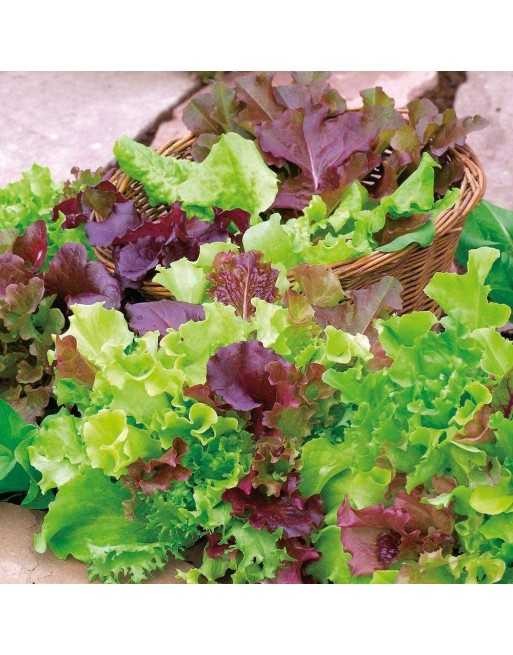
Lettuce
Arugula
Spinach
Radish
Mustard greens
Baby kale
Swiss chard
Bok choy
Green onions
Turnips
Beets
Carrots
Kohlrabi
Warm Season Crops To Sow In June
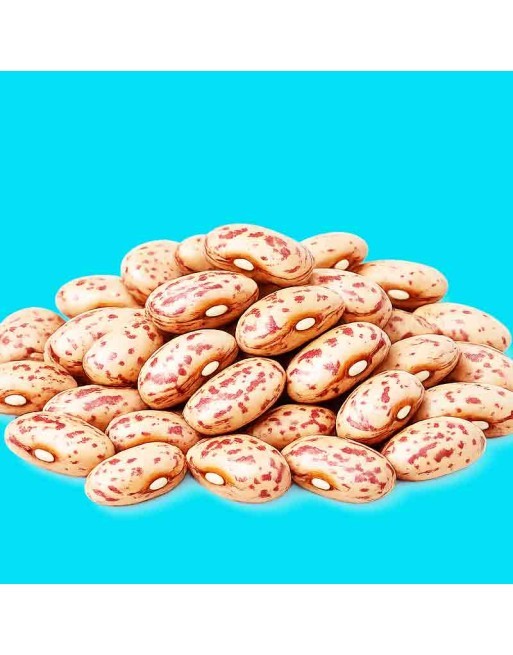
Bush beans
Pole beans
Cucumbers
Zucchini
Summer squash
Pumpkins
Winter squash
Sweet corn
Okra, in warmer regions
Melons, in warm regions or with protection
Flower Seeds to Sow In June
Sunflowers
Zinnias
Cosmos
Marigolds
Nasturtiums
Calendula
Bachelor’s buttons
Alyssum
Coreopsis
Morning glory
Four o’clocks
Cleome
Tithonia / Mexican sunflower
Amaranth
Nigella
Poppies, in cooler areas
Pepper Seeds to Sow In June
Jalapeño
Cayenne
Fresno
Banana pepper
Hungarian hot wax
Shishito
Mini bell peppers
Sweet bell peppers
Habanero, in warm areas or containers
Scotch Bonnet, best in containers or greenhouse
Superhots, best only as established plants
Design custom seed packets for your own purpose; events, promotions, mailing campaigns, marketing a business, & more. '
Realtors – “Plant Roots in Your New Home” / “Growing Communities Together”
Local Businesses – “Watch Your Business Grow” / “Thank You for Supporting Local”
Schools – “Plant the Seeds of Knowledge” / “Grow the Future”
Banks & Institutions – “Invest in Growth” / “Grow Your Future With Us”
Corporate Marketing – “Grow Your Brand”
Browse catalog by type and build your cart by clicking add to cart. Once clicked and spinner starts, the item is automatically in your shopping cart. When ready to checkout, view your cart and select "Place My Order."
10% of all profits are donated to goodwill projects at our expense.
Radicchio is a perennial cultivated form of leaf chicory sometimes known as Italian chicory because of its common use in Italian cuisine. It is grown as a leaf vegetable and usually has colorful white-veined red leaves that form a head. Radicchio has a bitter and spicy taste which mellows if it is grilled or roasted.
Tall and pointed, it looks like a large red endive, with a similarly mild flavor. The sturdy, narrow leaves are made for scooping up dips.
These showy, colorful blossoms will have the neighbors talking. This easy-to-grow annual is shorter than most Cosmos varieties, so it fits well in smaller spaces. Cosmos is great for butterfly gardens and cut flower gardens alike.
Because of their Mexican heritage, these bright annuals meet high heat and drought conditions with native beauty and vigor. Spanish conquistadors searching for gold discovered these flowers on their journeys through Mexico. Mission gardens often included these flowers, which priests gave the name "cosmos," the Greek word for a harmonious whole, because of their neatly spaced petals. Cosmos flowers made their way to England with Spanish ambassadors in the late 18th century, and to the United States in the following century.
Spring, summer and fall are all good times to plant wildflowers but the absolute best time will depend on the winter temperatures and water availability.
The Golden Acre is a tasty cabbage that arrives early and is suited for close spacing. This early round head cabbage is easily grown and versatile in use. Heads are about 6 to 7 inches in diameter on compact plants about a foot high. Its firm, medium green head is excellent cooked or raw in stews and salads.
Asian mustard (Brassica rapa rosularis) having a rosette of edible dark green spoon-shaped glossy leaves also : the leaves.
Sow tatsoi in spring and again in late summer for harvest in fall. Sow in double rows, with rows spaced 10 inches (25 cm) apart. Plant seeds 2 inches (5 cm) apart and barely cover them with soil. Gradually thin to 8 inches (20 cm) apart.
Tatsoi is a very versatile green, equally suited to being served raw or lightly cooked. To make it easy, just use tatsoi anywhere you'd use spinach. Lightly steam or sauté it, wilt the leaves with a warm dressing, or add them to a soup at the end of cooking.











![Snijmoes Lucullus Dutch Swiss Chard Seeds - [ Shop Canadian Seeds Online ] - Swiss Chard -](https://www.seed2go.ca/8699-home_default/snijmoes-lucullus-dutch-swiss-chard-seeds.jpg)
![Radicchio, Treviso, Red Chicory, Chicory Seeds - [ Shop Canadian Seeds Online ] - Chicory -](https://www.seed2go.ca/8563-home_default/treviso-chicory.jpg)
![Dwarf Cosmos Flower Mix, AAS Winner, Sensation Mix, Mexican, Annual, Cosmos Bipinnatus - [ Seed2Go - Canada ] - VF-COSMOS - Dwar](https://www.seed2go.ca/5507-home_default/dwarf-cosmos-flower-mix-aas-winner-sensation-mix-mexican-annual-cosmos-bipinnatus.jpg)
![Wild Mixed Spring/Summer/Fall Flowers Seed Mixes - [ Shop Canadian Seeds Online ] - Spring Mix, Pollinators -](https://www.seed2go.ca/8703-home_default/wild-mixed-springsummerfall-flowers-seed-mixes.jpg)
![Bird and Butterfly Spring Mix Flower Seeds - [ Shop Canadian Seeds Online ] - Spring Mix, Pollinators -](https://www.seed2go.ca/8702-home_default/bird-and-butterfly-spring-mix-flower-seeds.jpg)
![Red Miz Frills Mizuna Mustard Seeds, Japanese, Organic, Spicy Mizuna Seeds - [ Shop Canadian Seeds Online ] - Lettuce -](https://www.seed2go.ca/8523-home_default/red-miz-frills-mizuna-mustard-seeds-japanese-organic-spicy-mizuna-seeds.jpg)
![Oriental Stir Fry Mix: Green & Red Mizuna, Kale, Red & Green Mustard - [ Shop Canadian Seeds Online ] - Mustard & Greens -](https://www.seed2go.ca/8555-home_default/oriental-stir-fry-mix-green-red-mizuna-kale-red-green-mustard.jpg)
![Golden Acre Cabbage, Coleslaw or Stir-Fry Cabbage Seeds, North American - [ Shop Canadian Seeds Online ] - Cabbage -](https://www.seed2go.ca/8700-home_default/golden-acre-cabbage-coleslaw-or-stir-fry-cabbage-seeds-north-american-.jpg)
![Summer Annual White Flowers, Tall Cutting Series, Mixture of White Flower Mixes - [ Seed2Go.ca ] - [Seed Packets] - Spring Mix,](https://www.seed2go.ca/6240-home_default/summer-annual-white-flowers-tall-cutting-series-mixture-of-white-flower-mixes.jpg)
