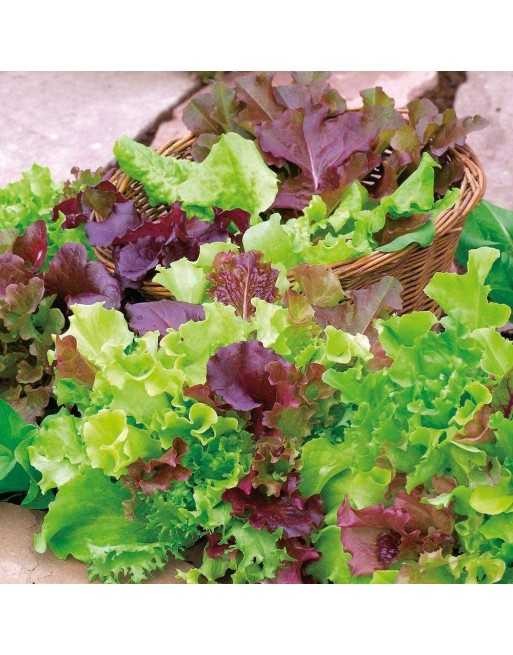
June is one of the best months for direct sowing in Canada because the soil is warmer and frost risk is usually finished in most regions. In colder areas, early June may still be cool, so tender crops should be planted only after nights are consistently warm. June is a warm and productive month for sowing seeds in Canada. Direct sow beans, cucumbers, zucchini, squash, corn, carrots, beets, radish, lettuce, kale, Swiss chard, basil, dill, sunflowers, zinnias, cosmos, marigolds, and nasturtiums. Plant pepper transplants outdoors after frost risk has passed, but avoid starting pepper seeds outdoors unless growing in containers, a greenhouse, or for overwintering.
Fast Season Crops to Sow
Lettuce
Arugula
Spinach
Radish
Mustard greens
Baby kale
Swiss chard
Bok choy
Green onions
Turnips
Beets
Carrots
Kohlrabi
Warm Season Crops To Sow In June
Bush beans
Pole beans
Cucumbers
Zucchini
Summer squash
Pumpkins
Winter squash
Sweet corn
Okra, in warmer regions
Melons, in warm regions or with protection
Flower Seeds to Sow In June
Sunflowers
Zinnias
Cosmos
Marigolds
Nasturtiums
Calendula
Bachelor’s buttons
Alyssum
Coreopsis
Morning glory
Four o’clocks
Cleome
Tithonia / Mexican sunflower
Amaranth
Nigella
Poppies, in cooler areas
Pepper Seeds to Sow In June
Jalapeño
Cayenne
Fresno
Banana pepper
Hungarian hot wax
Shishito
Mini bell peppers
Sweet bell peppers
Habanero, in warm areas or containers
Scotch Bonnet, best in containers or greenhouse
Superhots, best only as established plants
Design custom seed packets for your own purpose; events, promotions, mailing campaigns, marketing a business, & more. '
Realtors – “Plant Roots in Your New Home” / “Growing Communities Together”
Local Businesses – “Watch Your Business Grow” / “Thank You for Supporting Local”
Schools – “Plant the Seeds of Knowledge” / “Grow the Future”
Banks & Institutions – “Invest in Growth” / “Grow Your Future With Us”
Corporate Marketing – “Grow Your Brand”
Your product search must be more than 5 characters combined.
7-Day Courier Service as low as $6.45
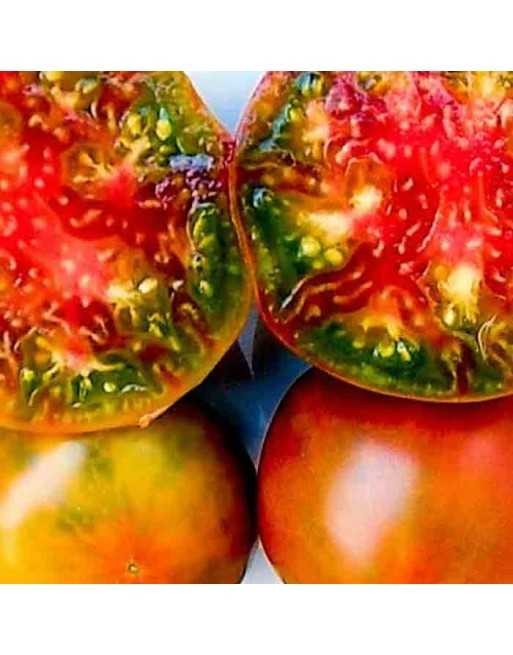
How to Grow Italian Heirloom Tomatoes
HOW TO GROW ITALIAN HEIRLOOM TOMATOES
PLANTING ITALIAN HEIRLOOM TOMATOES
Plant your Italian heirloom tomato seeds in organic soil. This should consist of compost which enough fertilizer and moisture.
Plant early in the spring, as soon as all danger of frost has passed. You can also start seeds indoors. If you’re not comfortable growing tomatoes from seeds, you can purchase small plants from your local nursery.
Seedlings will sprout within 6-8 weeks and will need to be hardened before transplanted outdoors.
Once transplanted, thin the seedlings and pinch off the top to create stronger plants.
Sow each seed at about 1/4″ inch deep and space each row 4′ apart.
Space each plant 36″ apart.
Transplant your seedlings in an area with full sun, and be mindful that they’ll need an average temperature of 65F (18C) to thrive.
Once the plants become sturdy enough, stake them.
Tomato plants also need a lot of water so be sure to mulch around the plants for consistent moisture and water regularly.
HARVESTING ITALIAN HEIRLOOM TOMATOES:
You can start harvesting your tomatoes the second they get ripe. This will usually be 65-80 days after planting.
The more often you harvest, the more tomatoes you’ll have growing in!
You can also harvest green tomatoes, especially at the end of the growing season as they’ll keep for about 4 weeks, after which they will ripen on their own.