






- On sale!
![Red Scotch Bonnet, Red Pepper, Bonney Pepper, Caribbean Pepper - [ Shop Canadian Seeds Online ] - Pepper Seeds -](https://www.seed2go.ca/6441-large_default/red-scotch-bonnet-red-pepper-bonney-pepper-caribbean-pepper.jpg "Red Scotch Bonnet, Red Pepper, Bonney Pepper, Caribbean Pepper - [ Shop Canadian Seeds Online ] - Pepper Seeds -")



![Red Scotch Bonnet, Red Pepper, Bonney Pepper, Caribbean Pepper - [ Shop Canadian Seeds Online ] - Pepper Seeds -](https://www.seed2go.ca/6441-home_default/red-scotch-bonnet-red-pepper-bonney-pepper-caribbean-pepper.jpg "Red Scotch Bonnet, Red Pepper, Bonney Pepper, Caribbean Pepper - [ Shop Canadian Seeds Online ] - Pepper Seeds -")
![Red Scotch Bonnet, Red Pepper, Bonney Pepper, Caribbean Pepper - [ Shop Canadian Seeds Online ] - Pepper Seeds -](https://www.seed2go.ca/6791-home_default/red-scotch-bonnet-red-pepper-bonney-pepper-caribbean-pepper.jpg "Red Scotch Bonnet, Red Pepper, Bonney Pepper, Caribbean Pepper - [ Shop Canadian Seeds Online ] - Pepper Seeds -")
Reference: BT3-VG-RSB

Scotch bonnet (also known as Bonney peppers, or Caribbean red peppers) is a variety of chili pepper named for its supposed resemblance to a Scottish tam o' shanter bonnet. It is ubiquitous in West Africa as well as the Caribbean.
100,000-350,000 scoville units
With a heat rating of 100,000-350,000 scoville units, the scotch bonnet can be up to 40 times hotter than a typical jalapeño pepper
| Type | Peppers |
| Family | Nightshade Family |
| Temperature Soil | 65-80F |
| Temperature Daytime | 70-90F |
| Temperature Evening | 60+F |
| Lighting | Full Sun, 6-8 Hours/Day |
| Water | Heavy, 6 Gallons/Day |
| Maturity | Moderate, 65-85 Days Harvest |
| PH Neutral | 5.5-7.0 |
| Zones | 4A-11B |
| Plant Placement | 6 Plants, 3 Row |
The many varieties of sweet and hot peppers thrive on full sun and warm weather. Cold temperatures can weaken pepper plants and they may never fully recover, so don’t rush to plant in the spring. Be certain to use the black side of the mulch covers to speed soil warming and early growth, but be careful, as they can also overheat the plants in certain climates. Peppers can be temperamental if temperatures are too hot or too cool. Nighttime temperatures below 60°F or above 75°F can reduce fruit set. Peppers need a steady supply of water for their best performance, so be sure to check water levels each day. Like tomatoes, you may find blossom end rot on your peppers, which can be easily corrected. Peppers are prone to sun scald, so moving them to partial shade can help if temperatures become too hot. Sweet peppers can be cut up and eaten raw, roasted and marinated, sauteed; or used in stews, soups, and stir fry. Hot peppers can be pickled, added to stew, used in stir fry, and are excellent when dried and ground to be used as a seasoning to give nearly any dish a little kick.
COMMON PESTS: Aphids, Flea Beetles
SUSCEPTIBLE TO: Mosaic Virus, Blossom End Rot, Sun Scald
![Scotch Bonnet Orange Pepper Seeds, Orange Pepper, Jamaican Bahamian Pepper Seeds - [ Shop Canadian Seeds Online ] - Pepper Seed](https://www.seed2go.ca/7149-home_default/jamaican-scotch-bonnet-orange-pepper-bahamian-pepper-.jpg)
Scotch Bonnet Orange
Orange Scotch Bonnet - Heirloom
These attractive orange hot peppers have a surprising amount of heat and a wonderful aroma. Their unique taste is required for authentic jerk sauce. Jerk is a way of cooking that originated in Jamaica when meat is rubbed with a very sharp spice mixture called Jamaican Jerk spice. It is closely related to the habanero, but with a sweeter flavor and stouter shape.
The pods are 1-1/2" wide and 1-1/2" long and have a citrus-like flavor with a lot of heat. They have smooth waxy skin and four globular ridges at the bottom that aren't quite bonnet-like. The peppers mature from green to bright orange on very productive 24" tall plants. Capsiucum chinense (90 days)
~ Packet contains 10 seeds.
Heat Level: Extra Super Hot
Scoville Heat Units: 300,000
| Type | Peppers |
| Family | Nightshade Family |
| Temperature Soil | 65-80F |
| Temperature Daytime | 70-90F |
| Temperature Evening | 60+F |
| Lighting | Full Sun, 6-8 Hours/Day |
| Water | Heavy, 6 Gallons/Day |
| Maturity | Moderate, 65-85 Days Harvest |
| PH Neutral | 5.5-7.0 |
| Zones | 4A-11B |
| Plant Placement | 6 Plants, 3 Row |
![Yellow Scotch Bonnet Pepper, Extra Super Hot, Martinique Pepper, Jamaican Hot, Bahama Mama, Pepper Seeds - [ Seed2Go.ca ] - [See](https://www.seed2go.ca/7919-home_default/yellow-scotch-bonnet-pepper-extra-super-hot-martinque-pepper-jamaican-hot-bahama-mama.jpg)
Scotch bonnet, also known as bonney peppers, or Caribbean peppers, is a variety of chili pepper named for its resemblance to a tam o' shanter hat. It is ubiquitous in West Africa. Most Scotch bonnets have a heat rating of 100,000–350,000 Scoville units.
WEAR GLOVES WHEN HANDLING, DO NOT TOUCH YOUR EYES! WASH HANDS AFTER TOUCHING!
Cultivar: 'Scotch Bonnet'
Heat: Very hot
Scoville scale: 100,000–350,000 SHU
Yellow Scotch Bonnet - This pepper gives Jamaican chicken dishes their special flavor! Scotch Bonnet goes by several names including Jamaican Hot, Martinique Pepper and Bahama Mama. It is closely related to the habanero, but with a sweeter flavor and stouter shape. The pods are 1-1/2" wide and 1-1/2" long and have a citrus-like flavor with a lot of heat. They mature from green to bright yellow on very productive 24" tall plants. Capsiucum chinense (90 days).
Capsiucum chinense strains require a great deal of attention during the germination process. Moisture and a constant and consistent heat range must be maintained. Place the seeds in sterile media and cover 1/4” deep. Provide 85°F bottom heat, bright light and keep moist at all times. Seeds will germinate in 7 - 21 days. Transplant seedlings into pots and grow until there are 6 true leaves on the plant. Plant them directly into rich soil, 30” apart or into containers.
![Chocolate Scotch Bonnet, Chocolate Pepper, Caribbean Pepper - [ Shop Canadian Seeds Online ] - Pepper Seeds -](https://www.seed2go.ca/8690-home_default/chocolate-scotch-bonnet-chocolate-pepper-caribbean-pepper.jpg)
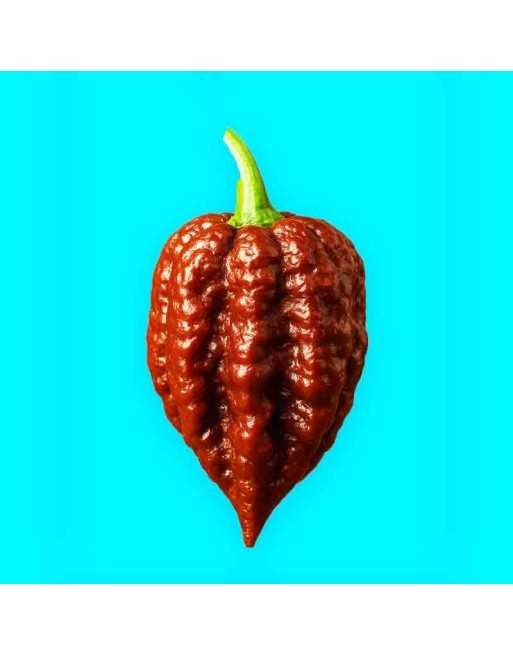
Chocolate Scotch Bonnet has a slight bonnet shape like it's yellow relative. But it is much hotter and the peppers get much larger in size. It has a fruity and slightly smoky flavor. Peppers ripen from green to dark brown and can get almost 2 inches in diameter.
Anyone that's ever had a taste of the unique, super-hot Scotch Bonnet chilli pepper will know that it packs a powerful punch – it hits between 100,000 to 350,000 scovilles! To put it in perspective, Jalapeno peppers have a Scoville unit between 1,000 to 10,000. So yep, they're hot.
| Type | Peppers |
| Family | Nightshade Family |
| Temperature Soil | 65-80F |
| Temperature Daytime | 70-90F |
| Temperature Evening | 60+F |
| Lighting | Full Sun, 6-8 Hours/Day |
| Water | Heavy, 6 Gallons/Day |
| Maturity | Moderate, 65-85 Days Harvest |
| PH Neutral | 5.5-7.0 |
| Zones | 4A-11B |
| Plant Placement | 6 Plants, 3 Row |
![Lemon Scotch Bonnet, Lemon Citrus Flavour, Hot Pepper Seeds - [ Shop Canadian Seeds Online ] - Pepper Seeds -](https://www.seed2go.ca/7768-home_default/lemon-scotch-bonnet-lemon-citrus-flavour-hot-pepper.jpg)
Color is lemon yellow with a flavor that is slightly sweet, with a true lemon citrus flavor.
Shaped like a UFO and has a color of a lemon.
The taste is described as fruity, slightly sweet with a citrus flavor, and the heat is comparable to a Bahamain Goat.
Heat Level: Extra Hot
Scoville Heat Units: 150,000 - 325,000
Capsiucum chinense strains require a great deal of attention during the germination process. Moisture and a constant and consistent heat range must be maintained. Place the seeds in sterile media and cover 1/4” deep. Provide 85°F bottom heat, bright light and keep moist at all times. Seeds will germinate in 7 - 21 days. Transplant seedlings into pots and grow until there are 6 true leaves on the plant. Plant them directly into rich soil, 30” apart or into containers.
| Type | Peppers |
| Family | Nightshade Family |
| Temperature Soil | 65-80F |
| Temperature Daytime | 70-90F |
| Temperature Evening | 60+F |
| Lighting | Full Sun, 6-8 Hours/Day |
| Water | Heavy, 6 Gallons/Day |
| Maturity | Moderate, 65-85 Days Harvest |
| PH Neutral | 5.5-7.0 |
| Zones | 4A-11B |
| Plant Placement | 6 Plants, 3 Row |
![Red Jamaican Hot Pepper, Jamaica, Scotch Bonnet Type Pepper Seeds - [ Shop Canadian Seeds Online ] - Pepper Seeds -](https://www.seed2go.ca/8005-home_default/red-jamaican-hot-pepper-jamaica-scotch-bonnet-type.jpg)
Scoville Units: 100.000 ~ 200.000
The Jamaican Hot Red is a compact plant which will grow to 60 cm in height. The plant gets an abundance of peppers. They are similar to Scotch Bonnet peppers and the pods are 5 cm long and 3.5 cm wide and look like mushrooms. They color during ripening from green to red and are very hot. The peppers have a fruity flavor and are widely used in the Caribbean for making hot sauces.
Species: Capsicum Chinense
| Type | Peppers |
| Family | Nightshade Family |
| Temperature Soil | 65-80F |
| Temperature Daytime | 70-90F |
| Temperature Evening | 60+F |
| Lighting | Full Sun, 6-8 Hours/Day |
| Water | Heavy, 6 Gallons/Day |
| Maturity | Moderate, 65-85 Days Harvest |
| PH Neutral | 5.5-7.0 |
| Zones | 4A-11B |
| Plant Placement | 6 Plants, 3 Row |
![Giant Red Scotch Bonnet, Red Pepper, Jamaican Origin, Pepper Seeds - [ Shop Canadian Seeds Online ] - Pepper Seeds -](https://www.seed2go.ca/6922-home_default/giant-red-scotch-bonnet-red-pepper-bonney-pepper-caribbean-pepper.jpg)
Jamaican origin commercial pepper
With a heat rating of 100,000-350,000 scoville units, the scotch bonnet can be up to 40 times hotter than a typical jalapeño pepper
This pepper is hot, fruity and spicy at the same time.
Much larger than original red scotch bonnet.
| Type | Peppers |
| Family | Nightshade Family |
| Temperature Soil | 65-80F |
| Temperature Daytime | 70-90F |
| Temperature Evening | 60+F |
| Lighting | Full Sun, 6-8 Hours/Day |
| Water | Heavy, 6 Gallons/Day |
| Maturity | Moderate, 65-85 Days Harvest |
| PH Neutral | 5.5-7.0 |
| Zones | 4A-11B |
| Plant Placement | 6 Plants, 3 Row |
![Yellow Jamaican Hot Pepper, Jamaica, Scotch Bonnet Type, Pepper Seeds - [ Shop Canadian Seeds Online ] - Pepper Seeds -](https://www.seed2go.ca/7107-home_default/yellow-jamaican-hot-pepper-jamaica-scotch-bonnet-type.jpg)
These small mushroom-shaped peppers have a sweet, fruity flavor, much like Habanero and Scotch Bonnet peppers. Jamaican Peppers are a staple in many Mexican dishes, including salsas, hot sauces, and meat rubs. It is commonly used in Jerk sauces in the Caribbean because of its balanced heat.
An heirloom pepper with smooth waxy pods that are 1-2" across. They have a citrus-like flavor and aroma. The peppers will mature from green to bright yellow on very productive 24-30" tall plants.
Capsicum chinense (90 days) Heat Level: Extremely Hot Scoville: 250,000
The packet contains 5 seeds.
| Type | Peppers |
| Family | Nightshade Family |
| Temperature Soil | 65-80F |
| Temperature Daytime | 70-90F |
| Temperature Evening | 60+F |
| Lighting | Full Sun, 6-8 Hours/Day |
| Water | Heavy, 6 Gallons/Day |
| Maturity | Moderate, 65-85 Days Harvest |
| PH Neutral | 5.5-7.0 |
| Zones | 4A-11B |
| Plant Placement | 6 Plants, 3 Row |
![Scotch Bonnet Pepper Mix: Yellow, Red, Chocolate, Orange - [ Shop Canadian Seeds Online ] - Pepper Seeds -](https://www.seed2go.ca/8612-home_default/scotch-bonnet-mix-yellow-red-chocolate-orange.jpg)
Scotch bonnet, also known as bonney peppers, or Caribbean peppers, is a variety of chili pepper named for its resemblance to a tam o' shanter hat. It is ubiquitous in West Africa. Most Scotch bonnets have a heat rating of 100,000–350,000 Scoville units.
WEAR GLOVES WHEN HANDLING, DO NOT TOUCH YOUR EYES! WASH HANDS AFTER TOUCHING!
Cultivar: 'Scotch Bonnet'
Heat: Very hot
Scoville scale: 100,000–350,000 SHU
Yellow Scotch Bonnet - This pepper gives Jamaican chicken dishes their special flavor! Scotch Bonnet goes by several names including Jamaican Hot, Martinique Pepper and Bahama Mama. It is closely related to the habanero, but with a sweeter flavor and stouter shape. The pods are 1-1/2" wide and 1-1/2" long and have a citrus-like flavor with a lot of heat. They mature from green to bright yellow on very productive 24" tall plants. Capsiucum chinense (90 days).
Capsiucum chinense strains require a great deal of attention during the germination process. Moisture and a constant and consistent heat range must be maintained. Place the seeds in sterile media and cover 1/4” deep. Provide 85°F bottom heat, bright light and keep moist at all times. Seeds will germinate in 7 - 21 days. Transplant seedlings into pots and grow until there are 6 true leaves on the plant. Plant them directly into rich soil, 30” apart or into containers.
Scotch bonnet (also known as Bonney peppers, or Caribbean red peppers) is a variety of chili pepper named for its supposed resemblance to a Scottish tam o' shanter bonnet. It is ubiquitous in West Africa as well as the Caribbean.
100,000-350,000 scoville units
With a heat rating of 100,000-350,000 scoville units, the scotch bonnet can be up to 40 times hotter than a typical jalapeño pepper
| Type | Peppers |
| Family | Nightshade Family |
| Temperature Soil | 65-80F |
| Temperature Daytime | 70-90F |
| Temperature Evening | 60+F |
| Lighting | Full Sun, 6-8 Hours/Day |
| Water | Heavy, 6 Gallons/Day |
| Maturity | Moderate, 65-85 Days Harvest |
| PH Neutral | 5.5-7.0 |
| Zones | 4A-11B |
| Plant Placement | 6 Plants, 3 Row |