







![Black Mint de Peru, Huacatay, Andean Cuisine, Mint Seeds - [ Shop Canadian Seeds Online ] - Mint -](https://www.seed2go.ca/8580-large_default/black-mint-de-peru-huacatay-andean-cuisine-mint-seeds.jpg "Black Mint de Peru, Huacatay, Andean Cuisine, Mint Seeds - [ Shop Canadian Seeds Online ] - Mint -")

*Existing Repeat Customers Discounted Too!


![Black Mint de Peru, Huacatay, Andean Cuisine, Mint Seeds - [ Shop Canadian Seeds Online ] - Mint -](https://www.seed2go.ca/8580-home_default/black-mint-de-peru-huacatay-andean-cuisine-mint-seeds.jpg "Black Mint de Peru, Huacatay, Andean Cuisine, Mint Seeds - [ Shop Canadian Seeds Online ] - Mint -")
Reference: W5-VH-BMINT

Scientific Name: Tagetes minuta
Appearance: Unlike the short, bushy garden marigolds you might know, Huacatay is a leggy, upright herb that can grow between 4 to 6 feet (1.2–2 meters) tall.
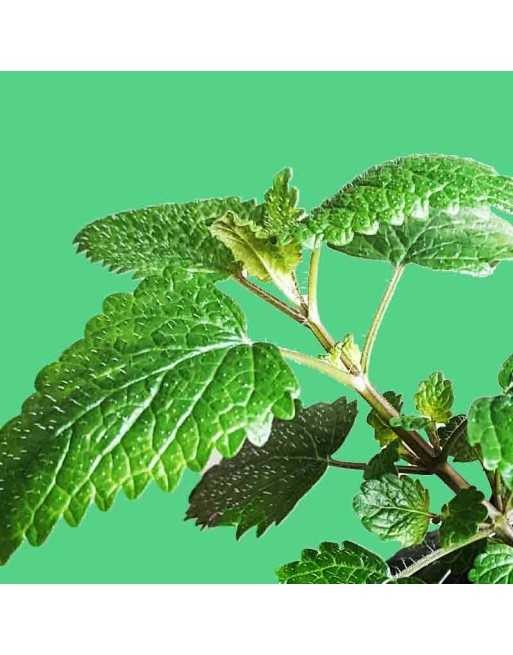
Leaves: The leaves are long, slender, and serrated (jagged) with a deep, glossy green color. They contain numerous oil glands that release a potent scent when brushed or crushed.
Flowers: It produces very small, inconspicuous pale yellow or green flowers that grow in clusters at the top of the stems.
The flavor is incredibly complex and difficult to replicate with a single substitute. It is often described as a bold fusion of:
Spearmint & Basil: For sweetness and herbal freshness.
Tarragon: Providing a subtle anise or licorice-like finish.
Lime/Citrus: Giving it a bright, zingy punch.
Earthy/Pungent: It has a resinous depth that is much stronger than common garden mint.
In Peru, this herb is rarely used as a garnish; it is almost always ground into a thick, vibrant green paste.
Ocopa: The most famous use of Black Mint. It’s a creamy, spicy sauce made with Huacatay, peanuts, cheese, and crackers, served over boiled potatoes.
Pollo a la Brasa: It is a key ingredient in the marinade for Peruvian rotisserie chicken.
Pachamanca: A traditional Andean feast cooked underground, where Huacatay is used to season the meats and tubers.
Medicinal Tea: It is commonly brewed as a tea to aid digestion, relieve stomach cramps, or treat respiratory issues.
Scientific Name: Tagetes minuta
Appearance: Unlike the short, bushy garden marigolds you might know, Huacatay is a leggy, upright herb that can grow between 4 to 6 feet (1.2–2 meters) tall.
Leaves: The leaves are long, slender, and serrated (jagged) with a deep, glossy green color. They contain numerous oil glands that release a potent scent when brushed or crushed.
Flowers: It produces very small, inconspicuous pale yellow or green flowers that grow in clusters at the top of the stems.
The flavor is incredibly complex and difficult to replicate with a single substitute. It is often described as a bold fusion of:
Spearmint & Basil: For sweetness and herbal freshness.
Tarragon: Providing a subtle anise or licorice-like finish.
Lime/Citrus: Giving it a bright, zingy punch.
Earthy/Pungent: It has a resinous depth that is much stronger than common garden mint.
In Peru, this herb is rarely used as a garnish; it is almost always ground into a thick, vibrant green paste.
Ocopa: The most famous use of Black Mint. It’s a creamy, spicy sauce made with Huacatay, peanuts, cheese, and crackers, served over boiled potatoes.
Pollo a la Brasa: It is a key ingredient in the marinade for Peruvian rotisserie chicken.
Pachamanca: A traditional Andean feast cooked underground, where Huacatay is used to season the meats and tubers.
Medicinal Tea: It is commonly brewed as a tea to aid digestion, relieve stomach cramps, or treat respiratory issues.