
Free Shipping after $50 Spend
for Seed Packets.
-
-
-
Main Catalog
- Clearance Garden Equipment
- Custom Seed Packets
- Garden Bag™, Grow Everywhere ™ Series
-
Garden Seed Packets
-
Architectural Gardening Plans
- Childrens Vegetable Gardening Plan
- Colorful Herb Gardening Plan
- Fall Vegetable Gardening Plan
- Kitchen Garden Gardening Plans
- Raised Bed Gardening Plans
- Salad Bar Gardening Plan
- SeedingSquare
- Small-Space Vegetable Gardening Plan
- Spring Vegetable Gardening Plan
- Summer Vegetable Gardening Plan
- The Looker Gardening Vegetable Plan
- Bean & Pea
- Bulk Packets Combo Packs
- Custom Seed Packet
-
Flower Seed
- All Flowers
- Alyssum
- Aster
- Calendula
- Dahlia
- Daisy
- Dwarf Cosmos
- Eucalyptus
- Forget-Me-Not
- Four 0'Clock
- Hydrangea
- Impatiens
- Indian Summer
- Lisianthus
- Little Bell
- Lupin
- Marigold
- Morning Glory
- Nasturtium
- Ornamental Grass
- Pansy
- Poppy
- Snap Dragon
- Specialty
- Spring Mix, Pollinators
- Sunflower
- Sweet Peas
- Sweet William
- Viola
- Zinnia
- Fruits and Berry Seeds
-
Herb Seeds
- All Herb/Spices
- Anise
- Basil
- Bergamot
- Borage
- Caraway
- Catnip
- Chamomile
- Chia
- Chives
- Coriander Cilantro
- Culantro
- Cumin
- Dill
- Echinacea
- Fenugreek
- Garden Cress
- Herb Mixes
- Hyssop
- Lavender
- Licorice
- Lovage
- Mint
- Oregano
- Parsley
- Peppergrass / Cress
- Perilla Shiso
- Purslane
- Pyrethrum
- Root
- Rosemary
- Sage
- Salad Burnet
- Sorrel
- Stevia
- Summer Savory
- Sweet Marjoram
- Tarragon
- Thyme
- Watercress
- Indoor Growing Kit
- Mega Value Collection Seed Packs
- Oriental Seed Packets
- Pepper Seeds
-
Seed By Culture
- Asian/Chinese Vegetable Seeds
- Australian Vegetable Seeds
- Brazilian Cultural Seeds
- Czechoslovakia Cultural Seeds
- Dutch Garden Seeds
- Ecuador Cultural Garden Seeds
- French Vegetable Seeds
- German Vegetable Seeds
- Greek Cultural Seeds
- Guyana Pepper Seeds
- Hungary Cultural Seeds
- Indian Vegetable Seeds
- International Cultural Seeds
- Italian Vegetable Seeds
- Jamaican Vegetable Seeds
- Japanese Cultural Seeds
- Korean Vegetable Seeds
- Macedonia
- Mexican Cultural Seeds
- Nicaragua Cultural Pepper
- Peru Cultural Seeds
- Polish Gardening Seeds
- Portuguese Cultural Seeds
- Puerto Rican Gardening Seeds
- Russian Vegetable Seeds
- Spain Cultural Varieties
- Sweden Cultural Seeds
- Ukraine Cultural Seeds
- United Kingdom Cultural Seeds
- Venezuelan Gardening Seeds
- Yugoslavian Seeds
- Tree Seeds
-
Vegetable Seeds
- Amaranth
- Artichoke
- Arugula
- Asparagus
- Bean/Pea
- Beet
- Bitter Melon
- Bottle Gourd
- Broccoli
- Brussel Sprouts
- Cabbage
- Carrot
- Cauliflower
- Celery
- Chicory
- Chufa Nut Horchata de Chufa
- Collard Greens
- Corn
- Corn Salad
- Cucumber
- Dijon Mustard
- Eggplant
- Endive
- Fennel
- Gourds
- Greens
- Ground Cherry
- Kale
- Kohlrabi
- Leek
- Lettuce
- Luffa
- Luffa Sponge
- Mizuna Water Greens
- Mustard & Greens
- Okra
- Onion
- Oriental Pickling Melon
- Parsnips
- Pepper Seeds
- Radish
- Rapini
- Rhubarb
- Rutabaga
- Salad/Mesclun Mixes
- Seaweed
- Spinach
- Squash
- Swiss Chard
- Tomatillo
- Tomato Seeds
- Turnip
- Vegetable Root
- Water Spinach
- Zucchini
-
Architectural Gardening Plans
- Garden Supply
- Gift Cards
- Indoor Light LED Gardens
- Pre-Seed Vegetable Seeds
- Seed Fundraiser Catalog
- Seed Starters
- Wholesale Seed Packets
-
-
-
Garden Seed Packets
- Bean & Pea
-
Flower Seed
- All Flowers
- Alyssum
- Aster
- Calendula
- Dahlia
- Daisy
- Dwarf Cosmos
- Eucalyptus
- Forget-Me-Not
- Four 0'Clock
- Hydrangea
- Impatiens
- Indian Summer
- Lisianthus
- Little Bell
- Lupin
- Marigold
- Morning Glory
- Nasturtium
- Ornamental Grass
- Pansy
- Poppy
- Snap Dragon
- Specialty
- Spring Mix, Pollinators
- Sunflower
- Sweet Peas
- Sweet William
- Viola
- Zinnia
- Fruits and Berry Seeds
-
Herb Seeds
- All Herb/Spices
- Anise
- Basil
- Bergamot
- Borage
- Caraway
- Catnip
- Chamomile
- Chia
- Chives
- Coriander Cilantro
- Culantro
- Cumin
- Dill
- Echinacea
- Fenugreek
- Garden Cress
- Herb Mixes
- Hyssop
- Lavender
- Licorice
- Lovage
- Mint
- Oregano
- Parsley
- Peppergrass / Cress
- Perilla Shiso
- Purslane
- Pyrethrum
- Root
- Rosemary
- Sage
- Salad Burnet
- Sorrel
- Stevia
- Summer Savory
- Sweet Marjoram
- Tarragon
- Thyme
- Watercress
- Pepper Seeds
- Tree Seeds
-
Vegetable Seeds
- Amaranth
- Artichoke
- Arugula
- Asparagus
- Bean/Pea
- Beet
- Bitter Melon
- Bottle Gourd
- Broccoli
- Brussel Sprouts
- Cabbage
- Carrot
- Cauliflower
- Celery
- Chicory
- Chufa Nut Horchata de Chufa
- Collard Greens
- Corn
- Corn Salad
- Cucumber
- Dijon Mustard
- Eggplant
- Endive
- Fennel
- Gourds
- Greens
- Ground Cherry
- Kale
- Kohlrabi
- Leek
- Lettuce
- Luffa
- Luffa Sponge
- Mizuna Water Greens
- Mustard & Greens
- Okra
- Onion
- Oriental Pickling Melon
- Parsnips
- Pepper Seeds
- Radish
- Rapini
- Rhubarb
- Rutabaga
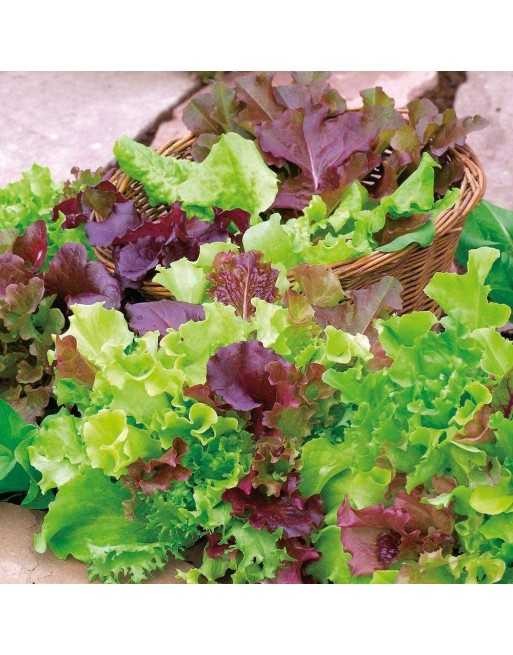
- Salad/Mesclun Mixes
- Seaweed
- Spinach
- Squash
- Swiss Chard
- Tomatillo
- Tomato Seeds
- Turnip
- Vegetable Root
- Water Spinach
- Zucchini
-
-
-
-
Garden Supplies
- 2x4 Basics® Bench Furniture
- Aurora Brand
- Berry Pickers
- Chapin
- Fan Rake
- Garant
- Gardening for Kids
- Gardening Gloves
- Gardening Tools
- Kneeling & Knee Pads
- Leaf Collector Bin
- Melnor
- OFF!® Mosquito Repellent
- Outdoor Furniture
- Practica
- Raid
- Raised Beds
- Rubbermaid
- Seed Starters
- Shop By Major Brands
- Steel T-Post
- Swan
- Wheel Barrow
-
Garden Plans
- Childrens Vegetable Gardening Plan
- Colorful Herb Gardening Plan
- Fall Vegetable Gardening Plan
- Kitchen Garden Gardening Plans
- Raised Bed Gardening Plans
- Salad Bar Gardening Plan
- SeedingSquare
- Small-Space Vegetable Gardening Plan
- Spring Vegetable Gardening Plan
- Summer Vegetable Gardening Plan
- The Looker Gardening Vegetable Plan
-
-
-
Seeding SquareSpace plants perfectly in a garden bed
-
-
-
-
-
-
-
-
-
Tree Seed Packets
-
-
-
-
-
-
-
Herb Seed Packets
-
Herb Mixes
-
-
-
-
-
-
-
-
-
Soybean Sprouts
-
-
-
-
-
-
-
Fruit Seed Packets
-
Fruit Seed Packets
-
-
-
-
-
-
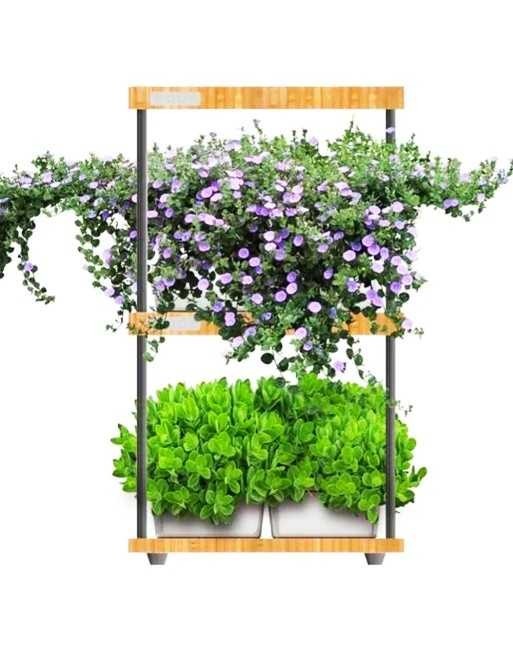
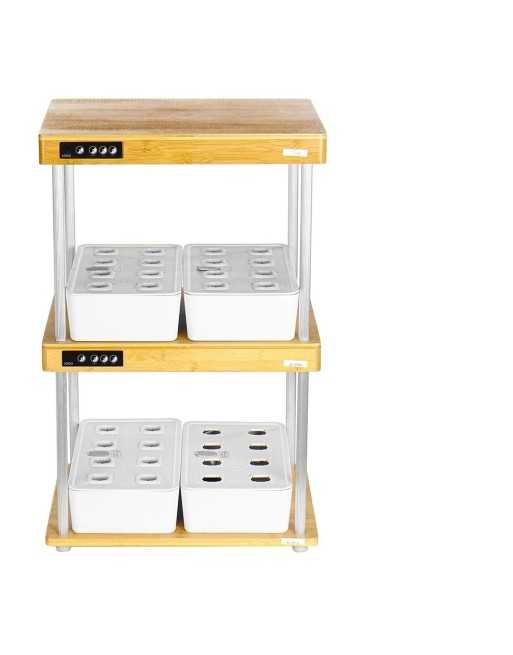
Indoor GrowerGrow indoors 24/7 on automatic LED system. Low maintenance. Patience. Sow by Seed. Hydroponic Basins. 12-16 Automatic Light Cycles.
-
-
-
-
Cultural Seed Types
- Asian/Chinese Vegetable Seeds
- Australian Vegetable Seeds
- Brazilian Cultural Seeds
- Czechoslovakia Cultural Seeds
- Dutch Garden Seeds
- Ecuador Cultural Garden Seeds
- French Vegetable Seeds
- German Vegetable Seeds
- Greek Cultural Seeds
- Hungary Cultural Seeds
- Indian Vegetable Seeds
- International Cultural Seeds
- Italian Vegetable Seeds
- Jamaican Vegetable Seeds
- Japanese Cultural Seeds
- Mexican Cultural Seeds
- Peru Cultural Seeds
-
-
Cultural Seed Types
- Guyana Pepper Seeds
- Korean Vegetable Seeds
- Macedonia
- Nicaragua Cultural Pepper
- Polish Gardening Seeds
- Portuguese Cultural Seeds
- Puerto Rican Gardening Seeds
- Russian Vegetable Seeds
- Spain Cultural Varieties
- Sweden Cultural Seeds
- Ukraine Cultural Seeds
- United Kingdom Cultural Seeds
- Venezuelan Gardening Seeds
- Yugoslavian Seeds
-
-
-
-
-
-
-
Tomatillo & Ground Cherry
-
Tree of Tomato
-
De Barao Tomato TreePaste Tomato
-
-
-
-
-
Create Your Own Seed PacketsDesign custom seed packets for your own purpose; events, promotions, mailing campaigns, marketing a business, & more. ' Realtors – “Plant Roots in Your New Home” / “Growing Communities Together” Local Businesses – “Watch Your Business Grow” / “Thank You for Supporting Local” Schools – “Plant the Seeds of Knowledge” / “Grow the Future” Banks & Institutions – “Invest in Growth” / “Grow Your Future With Us” Corporate Marketing – “Grow Your Brand”
-
-
-
-
Windowsill Indoor Garden Bags

-
-
-
-
-
-
Retail Wholesale
-
Stores Near YouAsk us for local stores in your area. Etobicoke (1) King City (1) Newmarket (1) Oshawa (2) Downtown Toronto (1) Stouville (1)
-
-
-
Fundraising
-
Bulk Combo Sets
-
Online Wholesale
-
-
-








Your product search must be more than 5 characters combined.


7-Day Courier Service as low as $6.45

Subcategories
-
Australian Vegetable Seeds
-
Asian/Chinese Vegetable Seeds
-
Brazilian Cultural Seeds
-
Czechoslovakia Cultural Seeds
-
Dutch Garden Seeds
-
Ecuador Cultural Garden Seeds
-
French Vegetable Seeds
-
German Vegetable Seeds
-
Greek Cultural Seeds
-
Hungary Cultural Seeds
-
Jamaican Vegetable Seeds
-
Japanese Cultural Seeds
-
Indian Vegetable Seeds
-
International Cultural Seeds
-
Italian Vegetable Seeds
-
Mexican Cultural Seeds
-
Peru Cultural Seeds
-
Puerto Rican Gardening Seeds
-
Portuguese Cultural Seeds
-
Polish Gardening Seeds
-
Russian Vegetable Seeds
-
Sweden Cultural Seeds
-
Spain Cultural Varieties
-
Ukraine Cultural Seeds
-
United Kingdom Cultural Seeds
-
Venezuelan Gardening Seeds
-
Macedonia
-
Yugoslavian Seeds
-
Korean Vegetable Seeds
-
Nicaragua Cultural Pepper
-
Guyana Pepper Seeds
There are 873 products.
Browse catalog by type and build your cart by clicking add to cart. Once clicked and spinner starts, the item is automatically in your shopping cart. When ready to checkout, view your cart and select "Place My Order."
10% of all profits are donated to goodwill projects at our expense.
![Remembrance Flanders Day Poppy, Flowers - [ Seed2Go - Canada ] - VF-PF - Poppy](https://www.seed2go.ca/6996-home_default/remembrance-flanders-day-poppy-flowers.jpg)
![Parisian Carrots, Paris Market Carrots, France Carrot Seeds - [ Shop Canadian Seeds Online ] - Carrot -](https://www.seed2go.ca/8438-home_default/parisian-carrots-paris-market-carrots-france-carrot-seeds.jpg)
- On sale!
Parisian Carrots, Paris Market Carrots, France Carrot Seeds
Small heirloom variety, 2-5 cm in diameter. Bright orange. Fresh mild and sweet in flavour.
Parisian carrots have a fresh, mild, and sweet, subtly vegetal flavor.
Carrots grow small, green-leafed tops that can reach 25 centimeters in height.
The tops are also edible and have a grassy, green, and delicious flavor.
| Type | Carrots |
| Family | Parsley Family |
| Temperature Soil | 50-75F |
| Temperature Daytime | 60-65F |
| Temperature Evening | 45+F |
| Lighting | Full Sun, 6-8 Hours/Day |
| Water | Heavy, 6 Gallons/Week |
| Maturity | Moderate, 65-85 Days Harvest |
| PH Neutral | 5.5-7.0 |
| Zones | 4A-10B |
| Plant Placement | 20 Plants, 4 Per Row |
![Italiko Rosso, Red Dandelion Chicory, Red Stem - [ Shop Canadian Seeds Online ] - Chicory -](https://www.seed2go.ca/8739-home_default/italiko-rosso-dandelion-chicory-red-stem.jpg)
Italiko Rosso, Red Dandelion Chicory, Red Stem
Italiko Rosso Dandelion (Cichorium intybus).
ITALIAN HEIRLOOM
This chicory variety has red stems which add a brilliant colour to salads and other dishes. Leaves are deeply lobed with classic bitter dandelion-like flavour.
| Type | Chicory |
| Family | Asteraceae Family |
| Temperature Soil | 50-65F |
| Temperature Daytime | 50-65F |
| Temperature Evening | 40F+ |
| Lighting | Partial / Light, 4-6 Hours/Day |
| Water | Light, 6 Gallons/Week |
| Maturity | Light, 35-50 Days Harvest |
| PH Neutral | 6.5-7.2 |
| Zones | 1A-9B |
| Plant Placement | 4 Plants, 4 Per Row |
![Blue from Groningen Leaf Collard, Dutch Collard Seeds - [ Shop Canadian Seeds Online ] - Collard Greens -](https://www.seed2go.ca/8446-home_default/blue-from-groningen-leaf-collard-dutch-collard-seeds.jpg)
Blue from Groningen Leaf Collard, Dutch Collard Seeds
Heirloom used as baby green, microgreen or bunched. Purple leaves.
Use in salads, stir-frys, soups etc. and enjoy the fine taste of this winter hardy variety that bears a resemblance to Red Russian but more tender and juicier leaves.
![Tres Fine Maraichere Frisée Endive, French, Scarola, Loose Headed, Curly Chicory - [ Garden Seeds, Seed2Go.ca] - VG-CFE - Chicor](https://www.seed2go.ca/2950-home_default/tres-fine-maraichere-frisee-endive-italian-loose-headed-curly-chicory.jpg)
Tres Fine Maraichere Frisée Endive, French, Scarola, Loose Headed, Curly Chicory
Endive Frisée is a type of chicory that has exploded onto gourmet plates. The exotic plant resembles a lettuce that has gone horribly awry. With a pale green explosion of frizzy leaves it adds a frisky note to green salads.
Frisée or chicorée frisée is French for curly chicory. It also is sometimes called Italian curly chicory or French curly chicory. Now, frisée is not exactly the same vegetable that comes to market as chicory, curly chicory, and curly endive, although it is exactly the same plant, Cichorium endivia.
Grown in, and named after a municipality in northern Italy near Turin. Suitable for both summer and autumn cultivation, it has curly and strongly lobed leaves and a creamy-white self-blanching heart.
With a very large head, long mid-green leaves and a self-bleaching, creamy-white interior, the fullness of the head facilitates tying up for more intense blanching.
Popularised in the 1990s, Frisée often appears in mesclun and other salad mixes, because the green is extremely laborious and expensive to produce as a sole salad ingredient. It is generally served in loose chunks in salad to highlight its exotic feathered appearance and a small amount can go a long way.
While it can have a slightly bitter flavour, frisée is much milder than other varieties of endive such as radicchio or Belgian endive. Tie up for a week before harvesting to blanch.
![Pumpkin, Gourd, Jack'O Lantern Seeds, Pepita - [ Shop Canadian Seeds Online ] - Pumpkin -](https://www.seed2go.ca/8471-home_default/pumpkin-gourd-jack-o-lantern-seeds-pepita.jpg)
- -$0.16
Pumpkin, Gourd, Jack'O Lantern Seeds, Pepita
A pumpkin seed, also known in North America as a pepita, is the edible seed of a pumpkin or certain other cultivars of squash. The seeds are typically flat and asymmetrically oval, have a white outer husk, and are light green in color after the husk is removed.
Pumpkins are actually a type of winter squash. Many varieties can send out vines that are 10 to 20 feet long, which can be challenging for a raised-bed garden. One option is to grow them on a trellis, such as the Cucumber Trellis. Use a mesh bag or fabric to help support especially heavy fruit. Another technique is to plant them on an outside corner of your raised bed and let the vines ramble onto the grass.
Like summer squash, winter squash need rich soil that's been amended with compost. They need warm weather and warm soil to grow and produce well. In most cases, it takes 90 to 100 days from planting seeds until the squash are ripe. Cold-climate gardeners may want to get an early start by planting seeds indoors about three weeks before the last spring frost. Plant two seeds per 3" pot, and cut off one if both grow.
Transplant into the garden a week or two after the last spring frost. You can warm the soil by covering it with clear plastic, which works better than the traditional black plastic, as long as you seal the edges with soil to contain the heat.
Some winter squash and pumpkins — the bigger ones, generally — will only produce a couple of fruit per plant. The seed catalog or seed packet should tell you what to expect. Pumpkins are always fun for kids, but not always good for pie. If you want jack-o-lanterns, you can grow any variety; for pies and soups, look for "pie pumpkins" or "sugar pumpkins," which have sweeter, more flavorful flesh.
![Golden Yellow Zucchini, Summer Squash, Golden Zucchini - [ Shop Canadian Seeds Online ] - Zucchini -](https://www.seed2go.ca/8516-home_default/golden-yellow-zucchini-summer-squash-golden-zucchini.jpg)
- -$0.16
Golden Yellow Zucchini, Summer Squash, Golden Zucchini
Slender fruit is bright sweet golden-yellow. They are as delicious as they are attractive; bush plants.
Summer Squash - a broad term used to describe soft squash varieties such as zucchini and patty pan squash—is a warm-season crop that can be grown almost anywhere in full sun. Wait until any threat of frost has passed and the soil has warmed to about 70 F before planting, as these tender squash varieties are extremely sensitive to frost and light freezes. Perfect for containers, most summer squash grow on short, compact vines that don’t require trellising or staking, unlike the sprawling vines of most winter squash and pumpkins. Rather than growing baseball bat-sized zucchini—which can be bland, full of seeds, and woody—harvest squash when fruit is small and tender and your plants will keep producing right up to frost.
| Type | Summer Squash |
| Family | Gourd Family |
| Temperature Soil | 55-60F |
| Temperature Daytime | 65-75F |
| Temperature Evening | 60+F |
| Lighting | Full, 4-6 Hours / Day |
| Water | Heavy, 3 Gallons / Day |
| Maturity | Moderate 50-65 Harvest |
| PH Neutral | 5.5-6.8 |
| Zones | 3A-11B |
| Plant Placement | 2 Plants, 2 Per Row |
![Asian Daikon Radish, White Radish, Japanese Radish, Chinese Radish, Winter Radish, Luobo Seeds - [ Seed2Go.ca ] - [Seed Packets]](https://www.seed2go.ca/8391-home_default/asian-daikon-radish-white-radish-japanese-radish-chinese-radish-winter-radish-luobo-seeds.jpg)
Asian Daikon Radish, White Radish, Japanese Radish, Chinese Radish, Winter Radish, Luobo Seeds
Daikon Summer F1 (like Minowase Summer Cross F1) refers to heat-tolerant, fast-growing, Japanese hybrid daikon radishes ideal for summer planting, producing long, white, mild, sweet, juicy roots with firm flesh, good for salads, pickling, and stir-fries, often maturing quickly (around 50-60 days) with strong disease resistance. They need deep, light soil and consistent water to prevent bitterness, offering a crisp texture and a milder, less spicy flavor than smaller radishes, making them versatile for summer-to-fall harvests.
Type: F1 Hybrid Daikon (Japanese radish).
Appearance: Long, conical, pure white roots, sometimes with a pale green shoulder.
Flavor/Texture: Mild, sweet, juicy, crisp, firm flesh, less pungent than red radishes.
Maturity: Fast-growing, around 50-65 days.
Uses: Excellent for salads, stir-fries, cooking, and pickling (especially kimchi).
Heat/Disease: Tolerant to heat and resistant to common diseases like Fusarium.
Soil: Requires deep, loose, well-drained soil to allow roots to grow long.
Water: Consistent moisture is key for mild flavor; avoid drying out.
Planting: Best sown in summer for late summer/fall harvest.
Minowase Summer Cross F1: A classic for summer crops, known for its mildness and vigor.
Japana F1: Another summer-sowing option with fine, dense flesh.
| Type | Radish |
| Family | Cabbage Family |
| Temperature Soil | 40-45F |
| Temperature Daytime | 50-65F |
| Temperature Evening | 40+F |
| Lighting | Full, 6-8 Hous Per Day |
| Water | Light, 3 Gallons / Week |
| Maturity | Short, 20-60 Days |
| PH Neutral | 5.8-6.8 |
| Zones | 2A-10B |
| Plant Placement | 20 Plants, 4 Per Row |

- -$0.16
Improved Red Leaf Basil, Sweet Red Rubin Basil Herb Seeds
| Type | Herb |
| Family | Ocimum basilicum |
| Temperature Soil | 50-65F |
| Temperature Daytime | 70-75F |
| Temperature Evening | 55F |
| Lighting | Full Sun, 6-8 Hours |
| Water | Well Drained |
| Maturity | 10 Weeks after Sowing |
| PH Neutral | Slightly Acidic to Neutral |
| Zones | 5a-10b |
| Plant Placement | 10-12 Inches Apart, 1 1/4" Deep |
![Chinese Radish Seeds, Mantanghong Beauty Heart Radish - [ Shop Canadian Seeds Online ] - Radish -](https://www.seed2go.ca/8596-home_default/chinese-radish-seeds-mantanghong-beauty-heart-radish.jpg)
- -$0.16
Chinese Radish Seeds, Mantanghong Beauty Heart Radish
This "beauty heart" type Chinese radish is the most popular variety grown in the middle and northern parts of China. It is also call watermelon radish. This variety is globe-shape, green shoulder with dark pink flesh. Because of their color, they are the perfect radishes to carve into flower shapes as garnish. It has a crisp texture and is mild and sweet flavored. Try eating fresh. Just thinly slice, top with fresh squeezed lime and a little salt and pepper or with sugar. For fall season sowing only.
| Type | Radish |
| Family | Cabbage Family |
| Temperature Soil | 40-45F |
| Temperature Daytime | 50-65F |
| Temperature Evening | 40+F |
| Lighting | Full, 6-8 Hous Per Day |
| Water | Light, 3 Gallons / Week |
| Maturity | Short, 20-60 Days |
| PH Neutral | 5.8-6.8 |
| Zones | 2A-10B |
| Plant Placement | 20 Plants, 4 Per Row |