








![Tres Fine Maraichere Frisée Endive, French, Scarola, Loose Headed, Curly Chicory - [ Garden Seeds, Seed2Go.ca] - VG-CFE - Chicor](https://www.seed2go.ca/2950-large_default/tres-fine-maraichere-frisee-endive-italian-loose-headed-curly-chicory.jpg "Tres Fine Maraichere Frisée Endive, French, Scarola, Loose Headed, Curly Chicory - [ Garden Seeds, Seed2Go.ca] - VG-CFE - Chicor")



![Tres Fine Maraichere Frisée Endive, French, Scarola, Loose Headed, Curly Chicory - [ Garden Seeds, Seed2Go.ca] - VG-CFE - Chicor](https://www.seed2go.ca/1586-home_default/tres-fine-maraichere-frisee-endive-italian-loose-headed-curly-chicory.jpg "Tres Fine Maraichere Frisée Endive, French, Scarola, Loose Headed, Curly Chicory - [ Garden Seeds, Seed2Go.ca] - VG-CFE - Chicor")
![Tres Fine Maraichere Frisée Endive, French, Scarola, Loose Headed, Curly Chicory - [ Garden Seeds, Seed2Go.ca] - VG-CFE - Chicor](https://www.seed2go.ca/2950-home_default/tres-fine-maraichere-frisee-endive-italian-loose-headed-curly-chicory.jpg "Tres Fine Maraichere Frisée Endive, French, Scarola, Loose Headed, Curly Chicory - [ Garden Seeds, Seed2Go.ca] - VG-CFE - Chicor")
Reference: DW1-VG-CFE

Endive Frisée is a type of chicory that has exploded onto gourmet plates. The exotic plant resembles a lettuce that has gone horribly awry. With a pale green explosion of frizzy leaves it adds a frisky note to green salads.
Frisée or chicorée frisée is French for curly chicory. It also is sometimes called Italian curly chicory or French curly chicory. Now, frisée is not exactly the same vegetable that comes to market as chicory, curly chicory, and curly endive, although it is exactly the same plant, Cichorium endivia.
Grown in, and named after a municipality in northern Italy near Turin. Suitable for both summer and autumn cultivation, it has curly and strongly lobed leaves and a creamy-white self-blanching heart.
With a very large head, long mid-green leaves and a self-bleaching, creamy-white interior, the fullness of the head facilitates tying up for more intense blanching.
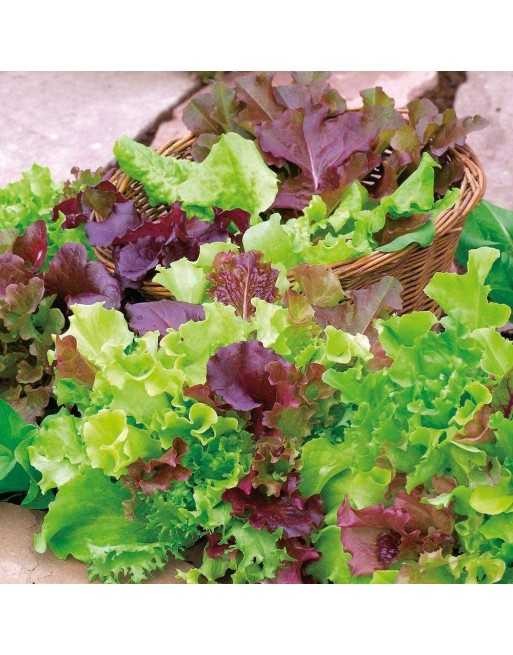
Popularised in the 1990s, Frisée often appears in mesclun and other salad mixes, because the green is extremely laborious and expensive to produce as a sole salad ingredient. It is generally served in loose chunks in salad to highlight its exotic feathered appearance and a small amount can go a long way.
While it can have a slightly bitter flavour, frisée is much milder than other varieties of endive such as radicchio or Belgian endive. Tie up for a week before harvesting to blanch.
Preparing and Serving Frisée
With that out of the way, we now come to the lettuce itself. Like escarole, frisée is frequently used in salads. While it can have a slightly bitter flavor, frisée is much milder than other varieties of endive such as radicchio or Belgian endive.
What's wonderful about frisée is that it is the perfect accent for any salad. Its bitter flavor adds just the right balance, especially when paired with fruity dressings. Its puffy, cloudlike shape provides an appealing contrast to flatter lettuce leaves.
Similarly, its finer structure yields a different sort of bite, so that each mouthful of salad offers a variety of textures. Finally, its pale-green-to-yellow color helps offset the preponderance of dark green produced by the primary lettuce, whether it's Romaine, green leaf, or red leaf.
A traditional dish featuring frisée is the classic frisée aux lardons, which is standard fare in the typical French cafe or bistro. It's made by blanching thick slices of bacon, then dicing and browning it before combining it (along with some of its rendered fat) with olive oil, mustard, and lemon juice to form a vinaigrette.
The frisée is then tossed with this vinaigrette, and served topped with a poached egg and shaved Gruyère cheese, along with toasted croutons.
Growing Your Own Frisée
One way to be sure what you're eating is indeed frisée, as opposed to some other kind of endive, is to grow it yourself. If you have at least 5 feet of garden space, you can plant a row of frisée that will yield up to 7 heads. It loves the sun, and even a light frost won't faze it. (You can also grow it in pots.)
You can plant frisée in the spring for an early summer harvest, and again in the fall for an early winter crop, although you might be able to push it into December if you live someplace like California. Some people claim that fall frisée has a superior flavor.
Endive Frisée is a type of chicory that has exploded onto gourmet plates. The exotic plant resembles a lettuce that has gone horribly awry. With a pale green explosion of frizzy leaves it adds a frisky note to green salads.
Frisée or chicorée frisée is French for curly chicory. It also is sometimes called Italian curly chicory or French curly chicory. Now, frisée is not exactly the same vegetable that comes to market as chicory, curly chicory, and curly endive, although it is exactly the same plant, Cichorium endivia.
Grown in, and named after a municipality in northern Italy near Turin. Suitable for both summer and autumn cultivation, it has curly and strongly lobed leaves and a creamy-white self-blanching heart.
With a very large head, long mid-green leaves and a self-bleaching, creamy-white interior, the fullness of the head facilitates tying up for more intense blanching.
Popularised in the 1990s, Frisée often appears in mesclun and other salad mixes, because the green is extremely laborious and expensive to produce as a sole salad ingredient. It is generally served in loose chunks in salad to highlight its exotic feathered appearance and a small amount can go a long way.
While it can have a slightly bitter flavour, frisée is much milder than other varieties of endive such as radicchio or Belgian endive. Tie up for a week before harvesting to blanch.