





- On sale!
![Pineapple Heirloom Tomato Seeds, Slicer Heirloom - [ Shop Canadian Seeds Online ] - Tomato Seeds -](https://www.seed2go.ca/8354-large_default/pineapple-heirloom-tomato-slicer-heirloom.jpg "Pineapple Heirloom Tomato Seeds, Slicer Heirloom - [ Shop Canadian Seeds Online ] - Tomato Seeds -")

*Existing Repeat Customers Discounted Too!


![Pineapple Heirloom Tomato Seeds, Slicer Heirloom - [ Shop Canadian Seeds Online ] - Tomato Seeds -](https://www.seed2go.ca/8354-home_default/pineapple-heirloom-tomato-slicer-heirloom.jpg "Pineapple Heirloom Tomato Seeds, Slicer Heirloom - [ Shop Canadian Seeds Online ] - Tomato Seeds -")
![Pineapple Heirloom Tomato Seeds, Slicer Heirloom - [ Shop Canadian Seeds Online ] - Tomato Seeds -](https://www.seed2go.ca/5032-home_default/pineapple-heirloom-tomato-slicer-heirloom.jpg "Pineapple Heirloom Tomato Seeds, Slicer Heirloom - [ Shop Canadian Seeds Online ] - Tomato Seeds -")
![Pineapple Heirloom Tomato Seeds, Slicer Heirloom - [ Shop Canadian Seeds Online ] - Tomato Seeds -](https://www.seed2go.ca/4560-home_default/pineapple-heirloom-tomato-slicer-heirloom.jpg "Pineapple Heirloom Tomato Seeds, Slicer Heirloom - [ Shop Canadian Seeds Online ] - Tomato Seeds -")
![Pineapple Heirloom Tomato Seeds, Slicer Heirloom - [ Shop Canadian Seeds Online ] - Tomato Seeds -](https://www.seed2go.ca/1686-home_default/pineapple-heirloom-tomato-slicer-heirloom.jpg "Pineapple Heirloom Tomato Seeds, Slicer Heirloom - [ Shop Canadian Seeds Online ] - Tomato Seeds -")
Reference: A4-V-PINT

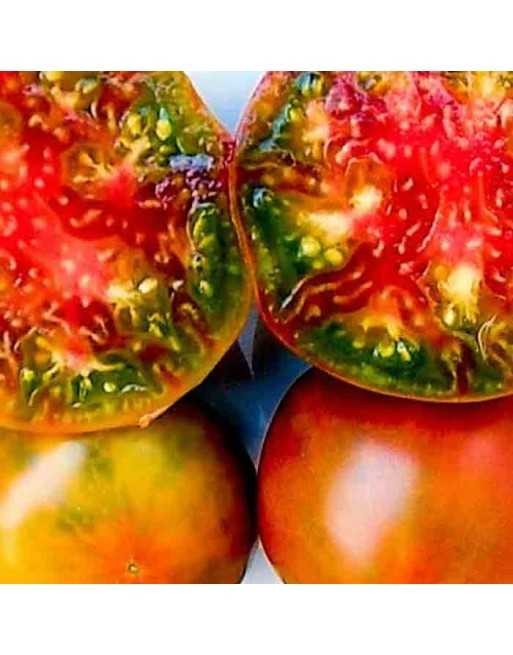
Pineapple tomatoes have a huge body with golden-orange and red marbled skin. They show the same beautiful coloration on their interior flesh, which has a strong tomato aroma and boasts low acidity and few seeds with more solid, meaty flesh. This variety has an incredibly unique flavor as it is primarily sweet, but with a satisfying, and even surprising, citrus tang. Pineapple tomato plants bear heavy yields of fruit with individual tomatoes weighing between one and two pounds. As an indeterminate variety, Pineapple tomato plants will continue to grow and set fruit up until a frost. Pineapple is among the taller of tomato plants, often reaching eight or more feet high, hence staking or caging these plants is recommended in order to encourage healthy growth and to prevent garden sprawl.
Fruit Color: Bi-color Yellow and Red. Shape: Flattened Globe. Size: 1 lb. Plant Habit: Indeterminate Plant Size: 6’
Large 1 lb. Bi-color fruits are famous for their sweet and fruity low acid flavor. A beautiful tomato with a unique color of yellow on the outside and red streaks inside. The Pineapple tomato vines set fruit fairly early, and also ripen quickly. In mid-summer, they seemed to stop blooming, then they put on another flush of production in late summer/early fall. The fruit is very lovely when sliced, and has great flavor. One big slice of this tomato on bread with mayo makes a great summertime sandwich.
| Type | Tomato |
| Family | Nightshade Family |
| Temperature Soil | 70F |
| Temperature Daytime | 70-85F |
| Temperature Evening | 65+F |
| Lighting | Light, Full, 6-8 Hours / Day |
| Water | Heavy, 9 Gal / Day |
| Maturity | Long, 65-100 Days |
| PH Neutral | Ph Neutral, 5.5-6.8 |
| Zones | 2A-10b |
| Plant Placement | 2 Plants, 2 Per Row |
The tomato originated in Central America, where it was cultivated by the Aztecs. When the Spanish invaded Central and South America, they seized upon the exotic fruit and sent it back to Europe. Southern Europe began using the fruit in their cuisines while northern Europe feared the tomato and believed it to be poisonous. However, they did grow this “Apple of Love,” as it was known to the French, or the “Apple of Paradise,” as the German’s called it, because they considered it an aesthetic curiosity in the garden. It was this ornamental appreciation that eventually brought the tomato to the “New World” where it was grown, but not eaten, by white colonists. Eventually Thomas Jefferson began cultivating the tomato as an edible crop, after which its use in the American kitchen began growing in popularity. Today, tomatoes are the most commonly grown fruit in the world, besting bananas, the second most popular fruit, and apples, the third most popular.
Tomatoes are a relatively easy fruit to grow, and are a delicious summertime treat best enjoyed straight from the garden. Plant them in a sunny location once all danger of frost has passed. Remember to set up your Staking System right away, to avoid a headache later on, since proper support helps keep the plants healthy and producing. Tomatoes come in two types: determinate and indeterminate. Determinate are better known as “bush” or “patio” varieties, and have a set-size that they will grow to, making them ideal for shorter growing seasons or small spaces. Fruit on a determinate tomato plant sets and ripens all at once. Indeterminate varieties, such as cherry or grape tomatoes, will continue to grow and produce throughout the season; until the plant is eventually killed by frost or runs out of nutrients. Be sure to always supply tomatoes with added calcium to prevent Blossom End Rot. Consistently check water levels throughout the day, since tomato plants are very heavy drinkers and require a lot of water. The most common pest is the Tomato Hornworm, which can destroy your crops with its voracious appetite. Check plants regularly and pick any off by hand. Hornworms that have rice-looking eggs on them may be left alone; as this indicates the hornworm has become a host for parasitic wasp eggs, and it will eventually die.
COMMON PESTS: Aphids, Flea Beetles, Tomato Hornworms, Whiteflies, Potato Beetle, Mosquitoes, Stink Bugs
SUSCEPTIBLE TO: Blossom End Rot, Splitting, Cat-facing, Magnesium Deficiency, Mosaic Virus, Early/Late Blight, Bacterial Spot/Speck, Verticilum Wilt, Fusarium Wilt, Canker, Black Mold, Gray Mold, Yellow Leaf Curl Disease
Pineapple tomatoes have a huge body with golden-orange and red marbled skin. They show the same beautiful coloration on their interior flesh, which has a strong tomato aroma and boasts low acidity and few seeds with more solid, meaty flesh. This variety has an incredibly unique flavor as it is primarily sweet, but with a satisfying, and even surprising, citrus tang. Pineapple tomato plants bear heavy yields of fruit with individual tomatoes weighing between one and two pounds. As an indeterminate variety, Pineapple tomato plants will continue to grow and set fruit up until a frost. Pineapple is among the taller of tomato plants, often reaching eight or more feet high, hence staking or caging these plants is recommended in order to encourage healthy growth and to prevent garden sprawl.
Fruit Color: Bi-color Yellow and Red. Shape: Flattened Globe. Size: 1 lb. Plant Habit: Indeterminate Plant Size: 6’
Large 1 lb. Bi-color fruits are famous for their sweet and fruity low acid flavor. A beautiful tomato with a unique color of yellow on the outside and red streaks inside. The Pineapple tomato vines set fruit fairly early, and also ripen quickly. In mid-summer, they seemed to stop blooming, then they put on another flush of production in late summer/early fall. The fruit is very lovely when sliced, and has great flavor. One big slice of this tomato on bread with mayo makes a great summertime sandwich.
| Type | Tomato |
| Family | Nightshade Family |
| Temperature Soil | 70F |
| Temperature Daytime | 70-85F |
| Temperature Evening | 65+F |
| Lighting | Light, Full, 6-8 Hours / Day |
| Water | Heavy, 9 Gal / Day |
| Maturity | Long, 65-100 Days |
| PH Neutral | Ph Neutral, 5.5-6.8 |
| Zones | 2A-10b |
| Plant Placement | 2 Plants, 2 Per Row |