

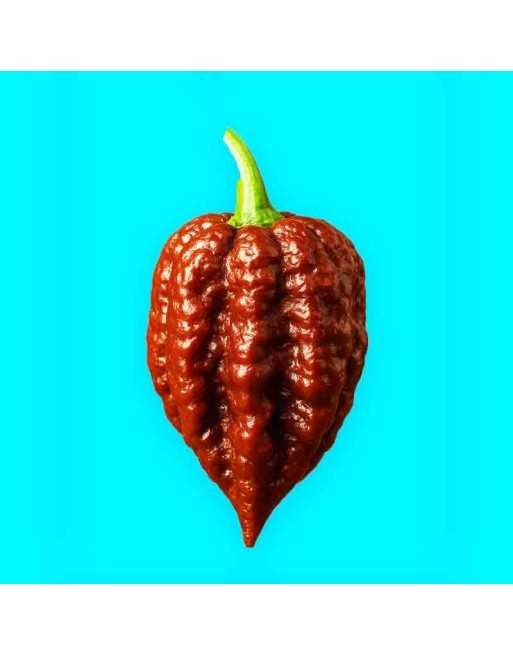




![Chocolate Naga Brain Pepper, Hybrid, Brain Strain 7 & Dorset Naga, Pepper Seeds - [ Shop Canadian Seeds Online ] - Pepper Seed](https://www.seed2go.ca/8691-large_default/chocolate-naga-brain-pepper-hybrid-brain-strain-7-dorset-naga.jpg "Chocolate Naga Brain Pepper, Hybrid, Brain Strain 7 & Dorset Naga, Pepper Seeds - [ Shop Canadian Seeds Online ] - Pepper Seed")



![Chocolate Naga Brain Pepper, Hybrid, Brain Strain 7 & Dorset Naga, Pepper Seeds - [ Shop Canadian Seeds Online ] - Pepper Seed](https://www.seed2go.ca/8691-home_default/chocolate-naga-brain-pepper-hybrid-brain-strain-7-dorset-naga.jpg "Chocolate Naga Brain Pepper, Hybrid, Brain Strain 7 & Dorset Naga, Pepper Seeds - [ Shop Canadian Seeds Online ] - Pepper Seed")
![Chocolate Naga Brain Pepper, Hybrid, Brain Strain 7 & Dorset Naga, Pepper Seeds - [ Shop Canadian Seeds Online ] - Pepper Seed](https://www.seed2go.ca/7828-home_default/chocolate-naga-brain-pepper-hybrid-brain-strain-7-dorset-naga.jpg "Chocolate Naga Brain Pepper, Hybrid, Brain Strain 7 & Dorset Naga, Pepper Seeds - [ Shop Canadian Seeds Online ] - Pepper Seed")
![Chocolate Naga Brain Pepper, Hybrid, Brain Strain 7 & Dorset Naga, Pepper Seeds - [ Shop Canadian Seeds Online ] - Pepper Seed](https://www.seed2go.ca/6807-home_default/chocolate-naga-brain-pepper-hybrid-brain-strain-7-dorset-naga.jpg "Chocolate Naga Brain Pepper, Hybrid, Brain Strain 7 & Dorset Naga, Pepper Seeds - [ Shop Canadian Seeds Online ] - Pepper Seed")
Reference: BT5-VG-CTMP

| Type | Peppers |
| Family | Nightshade Family |
| Temperature Soil | 65-80F |
| Temperature Daytime | 70-90F |
| Temperature Evening | 60+F |
| Lighting | Full Sun, 6-8 Hours/Day |
| Water | Heavy, 6 Gallons/Day |
| Maturity | Moderate, 65-85 Days Harvest |
| PH Neutral | 5.5-7.0 |
| Zones | 4A-11B |
| Plant Placement | 6 Plants, 3 Row |
The many varieties of sweet and hot peppers thrive on full sun and warm weather. Cold temperatures can weaken pepper plants and they may never fully recover, so don’t rush to plant in the spring. Be certain to use the black side of the mulch covers to speed soil warming and early growth, but be careful, as they can also overheat the plants in certain climates. Peppers can be temperamental if temperatures are too hot or too cool. Nighttime temperatures below 60°F or above 75°F can reduce fruit set. Peppers need a steady supply of water for their best performance, so be sure to check water levels each day. Like tomatoes, you may find blossom end rot on your peppers, which can be easily corrected. Peppers are prone to sun scald, so moving them to partial shade can help if temperatures become too hot. Sweet peppers can be cut up and eaten raw, roasted and marinated, sauteed; or used in stews, soups, and stir fry. Hot peppers can be pickled, added to stew, used in stir fry, and are excellent when dried and ground to be used as a seasoning to give nearly any dish a little kick.
COMMON PESTS: Aphids, Flea Beetles
SUSCEPTIBLE TO: Mosaic Virus, Blossom End Rot, Sun Scald
| Type | Peppers |
| Family | Nightshade Family |
| Temperature Soil | 65-80F |
| Temperature Daytime | 70-90F |
| Temperature Evening | 60+F |
| Lighting | Full Sun, 6-8 Hours/Day |
| Water | Heavy, 6 Gallons/Day |
| Maturity | Moderate, 65-85 Days Harvest |
| PH Neutral | 5.5-7.0 |
| Zones | 4A-11B |
| Plant Placement | 6 Plants, 3 Row |