








![Basque Espelette Pepper, Chimayo Type, France and Latin Origins Pepper Seeds - [ Seed2Go.ca ] - [Seed Packets] - Pepper Seeds -](https://www.seed2go.ca/6592-home_default/basque-espelette-pepper-chimayo-type-france-and-latin-origins-pepper-seeds.jpg "Basque Espelette Pepper, Chimayo Type, France and Latin Origins Pepper Seeds - [ Seed2Go.ca ] - [Seed Packets] - Pepper Seeds -")
![Basque Espelette Pepper, Chimayo Type, France and Latin Origins Pepper Seeds - [ Seed2Go.ca ] - [Seed Packets] - Pepper Seeds -](https://www.seed2go.ca/6593-home_default/basque-espelette-pepper-chimayo-type-france-and-latin-origins-pepper-seeds.jpg "Basque Espelette Pepper, Chimayo Type, France and Latin Origins Pepper Seeds - [ Seed2Go.ca ] - [Seed Packets] - Pepper Seeds -")
Reference: BT4-V-ESP

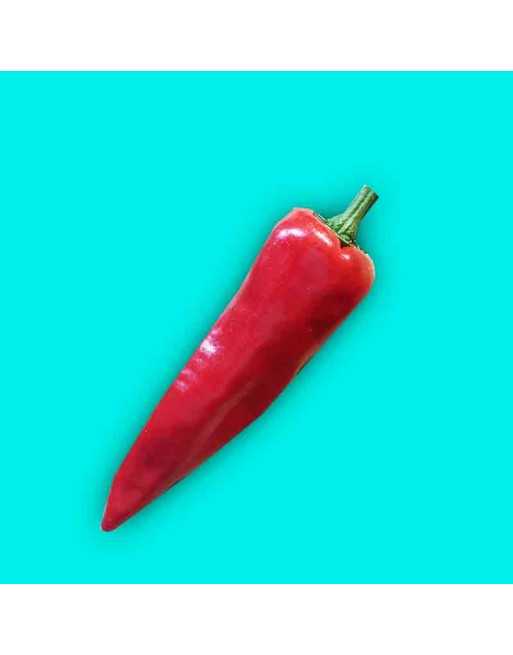
This chili pepper originated in Central and Southern America. However, the Espelette pepper was adapted by the Basque people during the 16th Century. The Basque Country is situated between the France and Spain borders.
The peppers are grown in the French community of Espelette in Pyrénées-Atlantiques.
The peppers are found wherever you do in this village. You can see the pepper drying from balconies and local shops selling them. While a lot of foods are flavored with these peppers.
The Espelette is graded 4,000 on Scoville scale. It is then seen as only mildly hot. Although a lot of people say that it actually tastes more sweet than hot. Alongside this, the Espelette peppers are high in vitamin C, B6, K and antioxidants.
The taste of this pepper is quite unique, As it tastes fresh and a little bit fruit with little hints of heat running throughout it. The spice of this pepper won’t overpower your dish, but you will detect a slight smoky taste.
If you use dried or powdered Espelette pepper, then this pepper tastes similar to paprika. The smokiness and sweetness is a little more intense, but it still isn’t overly hot.
Those who grow this kind of pepper, follow specific rules that have been set by the trade union of Espelette peppers. These peppers are treated as much as wine growers treat their grapes.
A lot of care is taken, to make sure the peppers are growing in the perfect conditions. They don’t want anything to affect the flavor or aroma of the peppers.
Sowing: From spring from February to the end of April. If grown in a greenhouse throughout the year (if grown in a greenhouse, artificial pollination is necessary). Seeds are sown in warm funnels or in compost containers. Sowing compost is a mixture of peat substrate, sand and burnt manure. Seeds are covered with 1.5-2 cm. compost. Warm beds or containers are covered with foil until the seeds start to germinate and after that they are removed. It is plucked after 20 days of germination.
Germination: Temperature above 20C, germinates in 1-4 weeks
Location: Direct light
Care: The plant has a shallow root, so regular watering and fertilizing is necessary.
Type
Peppers
Family Nightshade Family
Temperature Soil 65-80F
Temperature Daytime 70-90F
Temperature Evening 60+F
Lighting Full Sun, 6-8 Hours/Day
Water Heavy, 6 Gallons/Day
Maturity Moderate, 65-85 Days Harvest
PH Neutral 5.5-7.0
Zones 4A-11B
Plant Placement 6 Plants, 3 Row
The many varieties of sweet and hot peppers thrive on full sun and warm weather. Cold temperatures can weaken pepper plants and they may never fully recover, so don’t rush to plant in the spring. Be certain to use the black side of the mulch covers to speed soil warming and early growth, but be careful, as they can also overheat the plants in certain climates. Peppers can be temperamental if temperatures are too hot or too cool. Nighttime temperatures below 60°F or above 75°F can reduce fruit set. Peppers need a steady supply of water for their best performance, so be sure to check water levels each day. Like tomatoes, you may find blossom end rot on your peppers, which can be easily corrected. Peppers are prone to sun scald, so moving them to partial shade can help if temperatures become too hot. Sweet peppers can be cut up and eaten raw, roasted and marinated, sauteed; or used in stews, soups, and stir fry. Hot peppers can be pickled, added to stew, used in stir fry, and are excellent when dried and ground to be used as a seasoning to give nearly any dish a little kick.
COMMON PESTS: Aphids, Flea Beetles
SUSCEPTIBLE TO: Mosaic Virus, Blossom End Rot, Sun Scald
This chili pepper originated in Central and Southern America. However, the Espelette pepper was adapted by the Basque people during the 16th Century. The Basque Country is situated between the France and Spain borders.
The peppers are grown in the French community of Espelette in Pyrénées-Atlantiques.
The peppers are found wherever you do in this village. You can see the pepper drying from balconies and local shops selling them. While a lot of foods are flavored with these peppers.
The Espelette is graded 4,000 on Scoville scale. It is then seen as only mildly hot. Although a lot of people say that it actually tastes more sweet than hot. Alongside this, the Espelette peppers are high in vitamin C, B6, K and antioxidants.
The taste of this pepper is quite unique, As it tastes fresh and a little bit fruit with little hints of heat running throughout it. The spice of this pepper won’t overpower your dish, but you will detect a slight smoky taste.
If you use dried or powdered Espelette pepper, then this pepper tastes similar to paprika. The smokiness and sweetness is a little more intense, but it still isn’t overly hot.
Those who grow this kind of pepper, follow specific rules that have been set by the trade union of Espelette peppers. These peppers are treated as much as wine growers treat their grapes.
A lot of care is taken, to make sure the peppers are growing in the perfect conditions. They don’t want anything to affect the flavor or aroma of the peppers.