









- -$0.16
![Napoletano Bolloso, Italian Basil, Italian Large Leaf Basil Seeds - [ Seed2Go.ca ] - [Seed Packets] - Herb Seeds -](https://www.seed2go.ca/8198-large_default/napoletano-bolloso-italian-basil-italian-large-leaf-basil-seeds.jpg "Napoletano Bolloso, Italian Basil, Italian Large Leaf Basil Seeds - [ Seed2Go.ca ] - [Seed Packets] - Herb Seeds -")



![Napoletano Bolloso, Italian Basil, Italian Large Leaf Basil Seeds - [ Seed2Go.ca ] - [Seed Packets] - Herb Seeds -](https://www.seed2go.ca/8198-home_default/napoletano-bolloso-italian-basil-italian-large-leaf-basil-seeds.jpg "Napoletano Bolloso, Italian Basil, Italian Large Leaf Basil Seeds - [ Seed2Go.ca ] - [Seed Packets] - Herb Seeds -")
![Napoletano Bolloso, Italian Basil, Italian Large Leaf Basil Seeds - [ Seed2Go.ca ] - [Seed Packets] - Herb Seeds -](https://www.seed2go.ca/4607-home_default/napoletano-bolloso-italian-basil-italian-large-leaf-basil-seeds.jpg "Napoletano Bolloso, Italian Basil, Italian Large Leaf Basil Seeds - [ Seed2Go.ca ] - [Seed Packets] - Herb Seeds -")
![Napoletano Bolloso, Italian Basil, Italian Large Leaf Basil Seeds - [ Seed2Go.ca ] - [Seed Packets] - Herb Seeds -](https://www.seed2go.ca/5227-home_default/napoletano-bolloso-italian-basil-italian-large-leaf-basil-seeds.jpg "Napoletano Bolloso, Italian Basil, Italian Large Leaf Basil Seeds - [ Seed2Go.ca ] - [Seed Packets] - Herb Seeds -")
Reference: ZA1-VH-NAPB

Plant is a vigorous grower and the leaves are medium large, with light green. Plant is very aromatic.
Large Leaves: The leaves are notably larger than other basil varieties, sometimes reaching up to 5 inches long.
Strong Flavor: It has a classic, intense basil flavor, making it a popular choice for pesto and other Italian dishes.
Aromatic: Napoletano basil has a strong, aromatic scent.
Versatile: The large leaves can be used in various ways, including as wraps for appetizers or ingredients in salads and sauces.
Nutritious: It is a good source of vitamins K, A, and C, as well as calcium, magnesium, and iron.
Unique Aroma: Some varieties of Napoletano basil have a mild anise or camphorous scent.
Slow to Bolt: Napoletano basil is known for its resistance to bolting (going to seed early).
Easy to Grow: It's a relatively easy herb to cultivate, thriving in full sun and well-drained soil.
Great for Pesto: The large leaves make it ideal for making pesto
| Type | Herb |
| Family | Ocimum basilicum |
| Temperature Soil | 50-65F |
| Temperature Daytime | 70-75F |
| Temperature Evening | 55F |
| Lighting | Full Sun, 6-8 Hours |
| Water | Well Drained |
| Maturity | 10 Weeks after Sowing |
| PH Neutral | Slightly Acidic to Neutral |
| Zones | 5a-10b |
| Plant Placement | 10-12 Inches Apart, 1 1/4" Deep |
Germination: 5-14 days, 70-75°F. Harvest starts about 10 weeks after sowing. Basil is a pick-and-come-again herb which produces well when heavily picked. Grows best in well-drained rich soil.
Plant is a vigorous grower and the leaves are medium large, with light green. Plant is very aromatic.
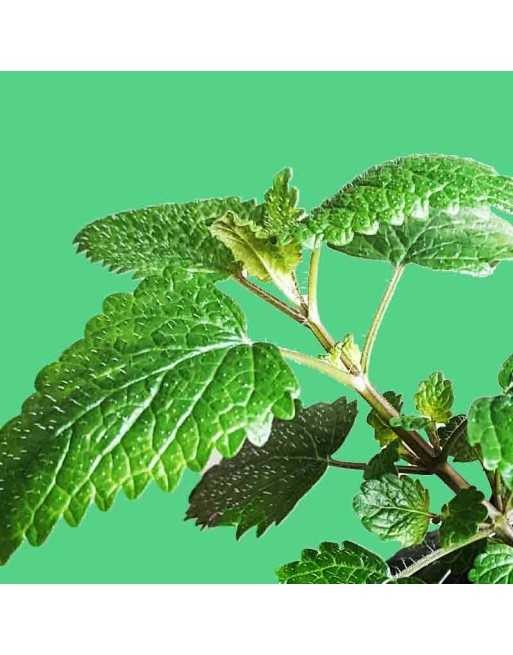
Napoletano basil has large, light green, ruffled leaves that grow in an alternating pattern along the stems. The leaves have a crinkled appearance and measure an average of 12 centimeters long and 7 centimeters across. The thick leaves are roughly spear-shaped and offer a strong, slightly sweet camphorous basil aroma. Napoletano basil offers a mild, yet slightly spicy, traditional anise flavor.
Napoletano basil is a variety of Ocimum basilicum, or sweet basil, that is prized for its strong, traditional basil flavor. The variety has the largest leaves of any basil type and is a preferred variety for making pesto. Napoletano is Italian for Neapolitan, which alludes to its Naples origin. It is often referred to simply as Italian Large Leaf basil, or Lettuce leaf basil for its size.
Napoletano basil is rich in vitamin K and offers high amounts of vitamins A and C. It is a good source of calcium, magnesium, iron, copper, and folate. Basil provides antioxidant benefits in the form of omega-3 fatty acids, and contains the volatile oils linalool, eugenol, and methyl eugenol. Unique to this variety is the presence of estragole, which gives Napoletano basil its mild anise scent and flavor. It provides both antibiotic and antibacterial benefits. Basil has also been shown to have carminative properties, which can be helpful in relieving gas and bloating.
Napoletano basil can be used in both raw and cooked applications. Use freshly rinsed leaves as wraps for canapes or appetizers. Wrap fresh mozzarella and ripe tomatoes in the larger leaves or use them for wrapping poultry or fish. The large-leafed variety is highly recommended for use in pesto. Substitute Napoletano basil in recipes calling for other sweet basil types. Add fresh or dried leaves to soups, sauces, dressings, marinades or pasta dishes. To store Napoletano basil in the refrigerator, place cut stems in a glass of water and loosely cover with a bag. Dry leaves to preserve or place chopped basil in oil and refrigerate.
The many varieties of herbs are easy to grow and very prolific. Some are more hearty and shrub-like such as rosemary, thyme, sage, and oregano; others are more delicate and prone to wilting or bolting when subjected to extreme heat such as dill, parsley, cilantro, and chives. Growing herbs such as mint or lavender in containers is beneficial because it won't have an opportunity to spread--as these tend to be invasive and difficult to rid your garden of. Herbs keep producing as long as you continue pruning and harvesting. They can be used fresh or dried to add flavor to any number of dishes.
COMMON PESTS: Aphids, Flea Beetles, Slugs
SUSCEPTIBLE TO: Bolting, Powdery Mildew, Downy Mildew, Anthracnose, Damping Off
Plant is a vigorous grower and the leaves are medium large, with light green. Plant is very aromatic.
Large Leaves: The leaves are notably larger than other basil varieties, sometimes reaching up to 5 inches long.
Strong Flavor: It has a classic, intense basil flavor, making it a popular choice for pesto and other Italian dishes.
Aromatic: Napoletano basil has a strong, aromatic scent.
Versatile: The large leaves can be used in various ways, including as wraps for appetizers or ingredients in salads and sauces.
Nutritious: It is a good source of vitamins K, A, and C, as well as calcium, magnesium, and iron.
Unique Aroma: Some varieties of Napoletano basil have a mild anise or camphorous scent.
Slow to Bolt: Napoletano basil is known for its resistance to bolting (going to seed early).
Easy to Grow: It's a relatively easy herb to cultivate, thriving in full sun and well-drained soil.
Great for Pesto: The large leaves make it ideal for making pesto
| Type | Herb |
| Family | Ocimum basilicum |
| Temperature Soil | 50-65F |
| Temperature Daytime | 70-75F |
| Temperature Evening | 55F |
| Lighting | Full Sun, 6-8 Hours |
| Water | Well Drained |
| Maturity | 10 Weeks after Sowing |
| PH Neutral | Slightly Acidic to Neutral |
| Zones | 5a-10b |
| Plant Placement | 10-12 Inches Apart, 1 1/4" Deep |