






![Edamame Japanese Soybean - [ Seed2Go - Canada ] - VB-EDM - Edamame Soybean](https://www.seed2go.ca/6762-large_default/edamame-soya-bean.jpg "Edamame Japanese Soybean - [ Seed2Go - Canada ] - VB-EDM - Edamame Soybean")



![Edamame Japanese Soybean - [ Seed2Go - Canada ] - VB-EDM - Edamame Soybean](https://www.seed2go.ca/6762-home_default/edamame-soya-bean.jpg "Edamame Japanese Soybean - [ Seed2Go - Canada ] - VB-EDM - Edamame Soybean")
![Edamame Japanese Soybean - [ Seed2Go - Canada ] - VB-EDM - Edamame Soybean](https://www.seed2go.ca/6761-home_default/edamame-soya-bean.jpg "Edamame Japanese Soybean - [ Seed2Go - Canada ] - VB-EDM - Edamame Soybean")
![Edamame Japanese Soybean - [ Seed2Go - Canada ] - VB-EDM - Edamame Soybean](https://www.seed2go.ca/6556-home_default/edamame-soya-bean.jpg "Edamame Japanese Soybean - [ Seed2Go - Canada ] - VB-EDM - Edamame Soybean")
Reference: OC2-VB-EDM

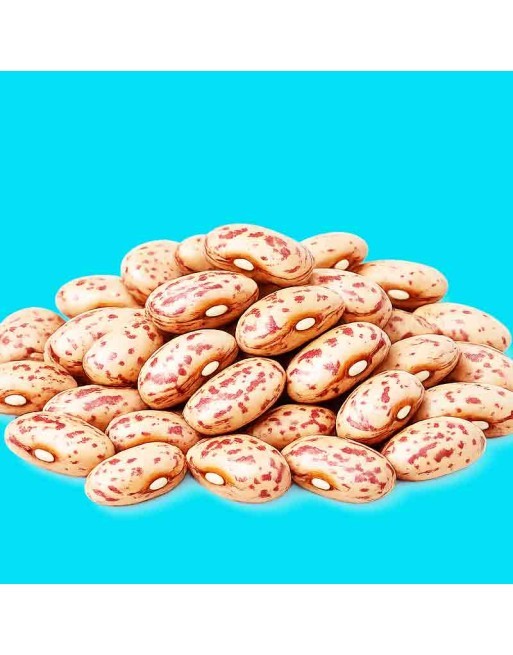
Edamame (枝豆, /ˌɛdəˈmɑːmeɪ/) is a preparation of immature soybeans in the pod, found in cuisines with origins in East Asia. The pods are boiled or steamed and may be served with salt or other condiments. In Japan, they are usually blanched in 4% salt water for 5 minutes. When the beans are outside the pod, the term mukimame is also sometimes used in Japanese.[1] Edamame are a common side dish in washoku and as an appetizer to alcoholic beverages such as beer or shōchū. As an ingredient Edamame are found in both sweet and savory dishes such as takikomi gohan, tempura, and zunda-mochi.
| Type | Bean/Pea |
| Family | Legume Family |
| Temperature Soil | 60F |
| Temperature Daytime | 70-85F |
| Temperature Evening | 60F+ |
| Lighting | Full, 6-8 Hours Per Day |
| Water | Steady: 6 Gallons / Week |
| Maturity | Moderate: 55-70 Days Harvest |
| PH Neutral | 5.5-7.5 |
| Zones | 3A-11B |
| Plant Placement | 16 Plants, 8 Per Row |
Beans are highly-productive, easy-to-grow crops. Pole beans and peas are tall, vining crops that will need trellising support, such as the Staking System. Pole beans and peas continue producing throughout the growing season, allowing for ongoing harvests and fresh vegetables to eat with lunch or dinner every few days. Frequent harvesting of pole beans helps ensure that the plants keep producing. Bush beans, such as soybeans, don’t need much support since they are more robust and compact. Bush bean crops usually mature all at once, which means you'll wind up with a very large harvest at the end of the growing season. Since bush bean crops reach maturity all at the same time, they are perfect to grow if you wish to preserve several batches by freezing or canning to use at a later date. Harvest any beans or peas when they are just full and average-size. Letting them get too large can result in tough, "woody" beans with decreased flavor.
COMMON PESTS: Aphids, Mexican Bean Beetles, Japanese Beetles, Cucumber Beetles
SUSCEPTIBLE TO: White Mold, Mosaic Virus, Fusarium Wilt, Blossom Drop
Edamame (枝豆, /ˌɛdəˈmɑːmeɪ/) is a preparation of immature soybeans in the pod, found in cuisines with origins in East Asia. The pods are boiled or steamed and may be served with salt or other condiments. In Japan, they are usually blanched in 4% salt water for 5 minutes. When the beans are outside the pod, the term mukimame is also sometimes used in Japanese.[1] Edamame are a common side dish in washoku and as an appetizer to alcoholic beverages such as beer or shōchū. As an ingredient Edamame are found in both sweet and savory dishes such as takikomi gohan, tempura, and zunda-mochi.
| Type | Bean/Pea |
| Family | Legume Family |
| Temperature Soil | 60F |
| Temperature Daytime | 70-85F |
| Temperature Evening | 60F+ |
| Lighting | Full, 6-8 Hours Per Day |
| Water | Steady: 6 Gallons / Week |
| Maturity | Moderate: 55-70 Days Harvest |
| PH Neutral | 5.5-7.5 |
| Zones | 3A-11B |
| Plant Placement | 16 Plants, 8 Per Row |