Quick order form

You already know the products you want to order ?

Click on the button below to access our quick order form and save time.

Access quick order form

Pre-Seed Vegetable Seeds

To seed in advance for fall, winter, and spring.

Advancing seeds for fall, winter, and spring gardens means starting or preparing seeds early—either by sowing, pre-seeding, or transplanting—so that you maximize your growing time, especially in climates with short seasons like much of Canada.

Here’s a breakdown of which seeds you can advance (start early or pre-seed) for Fall, Winter, and Spring harvests and how to do it:

Fall Garden (Plant in Summer for Fall Harvest)

Start seeds in July–August, either directly in the garden or indoors for transplanting.

Great seeds to advance:

  • Leafy Greens: Kale, spinach, Swiss chard, mustard greens, arugula
  • Root Vegetables: Carrots, beets, radishes, turnips
  • Brassicas: Broccoli, cabbage, cauliflower, Brussels sprouts

🧑🌾 Tips:

  • Pre-seed indoors or under shade during hot summer.
  • Harden off seedlings before transplanting in cooler fall soil.
  • Use row covers or cold frames to extend the season into late fall.

Creating a Winter Garden from seed involves selecting hardy, cold-tolerant crops that can either be sown in late summer/early fall for winter harvest or overwintered for early spring harvest. Here's a list of seed varieties ideal for a winter garden, especially in Canadian and northern U.S. zones:


🌱 Winter Garden Seed Varieties

🥬 Leafy Greens

  • Kale (‘Winterbor’, ‘Red Russian’) – Extremely cold-hardy.
  • Spinach (‘Bloomsdale Long Standing’, ‘Giant Winter’) – Sweetens with frost.
  • Swiss Chard – Survives mild winters with mulch.
  • Mâche (Corn Salad) – Very cold-tolerant; perfect for salad greens.
  • Claytonia (Miner’s Lettuce) – Thrives in cool, damp conditions.

🥕 Root Vegetables

  • Carrots (‘Napoli’, ‘Merida’) – Can be overwintered in the ground with mulch.
  • Beets – Early fall sowing gives sweet winter roots.
  • Turnips – Fast-growing and frost-tolerant.
  • Parsnips – Require frost to develop flavor; sow midsummer.
  • Rutabaga – Cold-hardy and stores well.

🥦 Brassicas

  • Cabbage (‘January King’, ‘Wintergreen’) – Overwinters with protection.
  • Broccoli (‘Purple Sprouting’, ‘Calabrese’) – Best for overwintering in mild climates.
  • Brussels Sprouts – Improves with frost.

🌿 Herbs

  • Parsley – Cold-hardy biennial.
  • Chives – Hardy perennial, regrows early in spring.
  • ThymeOregano, and Sage – Hardy perennials in many zones.

🧤 Tips for Winter Gardening Success

  • Use Cold Frames or Row Covers to extend harvest and protect seedlings.
  • Mulch heavily to insulate soil and root crops.
  • Choose short-day or overwintering varieties specifically labeled for cold climates.
  • Succession plant in late summer (August–September) for a steady supply through winter.

🌱 Spring Garden (Start in Late Winter or Very Early Spring)

Advance seeds indoors in February–March to transplant after the last frost.

Ideal for seed advancement:

  • Tomatoes, peppers, eggplant (start 6–8 weeks before last frost)
  • Brassicas (broccoli, cabbage, cauliflower)
  • Herbs: Parsley, dill, thyme
  • Lettuce, onions, leeks (early starters)
  • Peas: Soak and pre-sprout for fast germination

💡 Tips:

  • Use grow lights or sunny windowsills.
  • Harden off plants before transplanting outdoors.
  • Use cold frames to get an early start in the ground.

 

Pre-Seed Vegetable Seeds

Subcategories

There are 507 products.

Showing 461-470 of 507 item(s)

Browse catalog by type and build your cart by clicking add to cart. Once clicked and spinner starts, the item is automatically in your shopping cart. When ready to checkout, view your cart and select "Place My Order."


10% of all profits are donated to goodwill projects at our expense.
D'asti Chocolate Beauty Bell Pepper, Elongated Sweet Pepper Seeds - [ Shop Canadian Seeds Online ]  - Pepper Seeds -
  • On sale!

D'asti Chocolate Beauty Bell Pepper, Elongated Sweet Pepper Seeds

A chocolate-colored bell pepper with a very sweet flavor. It ripens from green to dark brown on the outside and brick red flesh on the inside. This is our earliest pepper to harvest, with the first peppers ripening at around 57 days.

Heavy fruit set of 3-4” peppers and it tolerates cool nights. Heat Level: None

~ Packet contains 10 seeds. 

In early spring, start seeds indoors 8 weeks prior to warm nightly temperatures. Place the seeds in sterile media and cover 1/4” deep. Provide 85°F bottom heat, bright light and keep moist at all times. Seeds will germinate in 7 - 14 days. Transplant seedlings into pots and grow until there are 6 true leaves on the plant. Plant them directly into rich soil, 30” apart or into large 5-gallon containers. Harvest peppers when they are full size and brown. 

Type Peppers
Family Nightshade Family
Temperature Soil 65-80F
Temperature Daytime 70-90F
Temperature Evening 60+F
Lighting Full Sun, 6-8 Hours/Day
Water Heavy, 6 Gallons/Day
Maturity Moderate, 65-85 Days Harvest
PH Neutral 5.5-7.0
Zones 4A-11B
Plant Placement 6 Plants, 3  Row
★★★★★ In Stock
Price $4.81
Mexico Jingle Bell Mirasol Pepper Seeds, Chile Bola, Mild, Ball Chili, Mexican Type - [ Seed2Go.ca ] - [Seed Packets] - Pepper S
  • On sale!

Mexico Jingle Bell Mirasol Pepper Seeds, Chile Bola, Mild, Ball Chili, Mexican Type

Cascabel peppers are considered mildly hot, with a Scoville Heat Unit (SHU) rating of 1,000–2,500. For comparison, habanero peppers are much hotter, with a rating of 100,000–350,000 SHU. 

Cascabel peppers are native to Mexico and Latin America, and have been cultivated since at least 7000 BC. The name "cascabel" is Spanish for "jingle bell", which comes from the way the seeds rattle inside the round, hard peppers when they dry. 

Cascabel peppers are often used in sauces, soups, and other dishes to add a fruity flavor and a bit of warmth. Here are some ways to prepare cascabel peppers: Roast: Roast cascabel peppers in a skillet before adding them to dishes. 

Dry and grind: Dry and grind cascabel peppers to use in sauces or pastes. You can also rehydrate them. 

Puree: Puree cascabel peppers and add them to soups and sauces.

Type Peppers
Family Nightshade Family
Temperature Soil 65-80F
Temperature Daytime 70-90F
Temperature Evening 60+F
Lighting Full Sun, 6-8 Hours/Day
Water Heavy, 6 Gallons/Day
Maturity Moderate, 65-85 Days Harvest
PH Neutral 5.5-7.0
Zones 4A-11B
Plant Placement 6 Plants, 3  Row


★★★★★ In Stock
Price $4.81

Kung Pao Pepper, Asian, Thai, and Sichuan, Hot Pepper Seeds

Kung Pao peppers have an earthy, smoky flavor and a medium heat level of 7,000–12,000 Scoville Heat Units (SHU). They are considered a less spicy alternative to Thai and Cayenne peppers. 

Kung Pao peppers are long, slim, and have thin walls. They mature from green to red and can grow to be 4–6 inches long. 

Kung Pao peppers can be used in stir-fries, frying, grilling, or dried into chili powder. They are a key ingredient in Kung Pao chicken, a dish that is known for its distinctive spicy flavor.

Type Peppers
Family Nightshade Family
Temperature Soil 65-80F
Temperature Daytime 70-90F
Temperature Evening 60+F
Lighting Full Sun, 6-8 Hours/Day
Water Heavy, 6 Gallons/Day
Maturity Moderate, 65-85 Days Harvest
PH Neutral 5.5-7.0
Zones 4A-11B
Plant Placement 6 Plants, 3  Row
★★★★★ In Stock
Price $4.81
Ají Dulce Cachucha, Latin American, Venezuelan Pepper, Sweet Pepper Seeds - [ Shop Canadian Seeds Online ]  - Pepper Seeds -
  • On sale!

Ají Dulce Cachucha, Latin American, Venezuelan Pepper, Sweet Pepper Seeds

Ají cachucha, also known as ají dulce, is a sweet, crunchy pepper with a mild heat that's a staple in Latin American and Caribbean cooking: 

Ají cachucha peppers are small, squat, and wrinkled, with a light green color that turns yellow-orange and then red when ripe. They have a similar appearance to habanero and scotch bonnet peppers, but are milder. 

Ají cachucha peppers have a sweet, fruity, grassy, and smoky flavor. 

Ají cachucha peppers have a mild heat level of 500–1,000 Scoville units, which is much milder than a habanero. 

Ají cachucha peppers are a key ingredient in sofrito, a sauce used in many Latin American cuisines. They can also be used in bean dishes, soups, or as a raw snack. 

Type Peppers
Family Nightshade Family
Temperature Soil 65-80F
Temperature Daytime 70-90F
Temperature Evening 60+F
Lighting Full Sun, 6-8 Hours/Day
Water Heavy, 6 Gallons/Day
Maturity Moderate, 65-85 Days Harvest
PH Neutral 5.5-7.0
Zones 4A-11B
Plant Placement 6 Plants, 3  Row
★★★★★ In Stock
Price $4.81

Devils Tongue, Super Hot Pepper, North American, Cousin Ghost Pepper/Fatallii, Pepper Seeds

The fruit is long and wrinkled, and ripens from green to a vibrant color like red, yellow, or chocolate. The fruit is similar in shape to the Fatalii pepper, but with smoother skin. 

The Devil's Tongue pepper has a sweet and lemony flavor with a slightly tangy undertone. 

The Devil's Tongue pepper is extremely hot, with a Scoville Heat Unit (SHU) rating of 125,000 to 325,000. 

The Devil's Tongue pepper is a popular choice for spicy salsas, hot sauces, and pickling. 

The Devil's Tongue pepper was discovered in the 1990s growing in the garden of an Amish farmer in Pennsylvania. Its exact origins and parentage are unknown.

★★★★★ In Stock
Price $4.81

Premium Elongated Long Sangria Watermelon, Watermelon Seeds

Sangria watermelons are large, oval to oblong fruits, averaging 17 to 25 centimeters in diameter. The rind is smooth, firm, and dark green, covered in light green, broken stripes, and mottling. Underneath the surface, the thin portion of rind that connects to the flesh is white, crunchy, and edible with a vegetal, cucumber-like flavor. The flesh is dark red, dense, aqueous, and crisp, encasing many black-brown, flat seeds. Sangria watermelons are known for their smooth-grained texture and have a high sugar content emitting a sweet, subtly fruity flavor.

Type Melon
Family Gourd Family
Temperature Soil 65-70F
Temperature Daytime 80-100F
Temperature Evening 50+F
Lighting Light, Full, 6-8 Hours / Day
Water Heavy, 3 Gal / Day
Maturity Long, 65-115 Days
PH Neutral Ph Neutral, 6-6.8
Zones 3A-11lb
Plant Placement 4 Plants, 2 Per Row
★★★★★ In Stock
Price $4.81

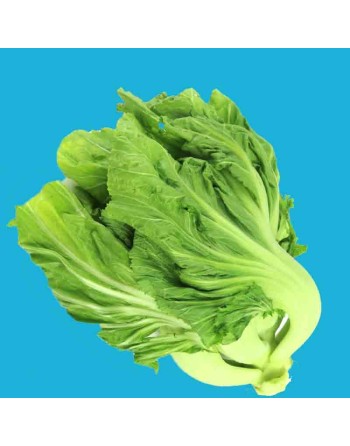
Shuidong Mustard Cabbage Seeds 水东鸡心芥菜, Mustard Chinese

Growth Habit: Upright, broadleaf, semi-heading type.

Stems: Thick, curved, crisp, and tender.

Leaves: Dark green and can curl inward to form a head in cold weather.

Flavor: Sweet and crisp with a mild spice, less peppery than other mustards. The microgreens have notes of broccoli and cabbage with an underlying spice. 

Maturity: 35–45 days for a full-sized head, or 21 days for baby greens.

Growing conditions: Cool season annual, prefers fertile, well-drained soil and full sun.

Planting: Sow seeds in early/late spring or late summer/early fall.

Start harvesting baby greens when they are about 3 inches tall.

Thin plants to 10 inches apart for mature heads.

Harvest the tender florets and thick stems.

Keep soil consistently moist for the best flavor.

To ensure a continuous harvest, plant seeds every two weeks.

Can be grown for microgreens by harvesting at a young stage. 

Culinary: Excellent for stir-fries, soups, or pickling.

Harvest stages: Both the leaves and the thick stems are edible and delicious. 

★★★★★ In Stock
Price $4.99
Cucumber Salad Bush, AAS Winner, Heavy Yield, Container Cucumber - [ Shop Canadian Seeds Online ]  - Cucumber -
  • On sale!

Cucumber Salad Bush, AAS Winner, Heavy Yield, Container Cucumber

Type Cucumber
Family Gourd Family
Temperature Soil 70-80F
Temperature Daytime 70-85F
Temperature Evening 65F+
Lighting Partial, 4-6 Hours Per Day
Water Heavy, 3 Gallons Per Day
Maturity Moderate: 50-60 Days Harvest
PH Neutral 07-Jan
Zones 4A-11B
Plant Placement 4 Plants, 2 Per Row

Salad Bush produces full-size, full-flavor 8 inch slicers on tiny plants. The dark green, smooth-skinned cucumbers are attractive with high disease resistance meaning they will have a high yield and a longer season.

★★★★★ In Stock
Price $4.99

Gai Choy Chinese Mustard Green, Jiè cài (芥菜) Chinese, Four Seasons Chun Cai, Stemmed Mustard, Heart Mustard, Swatow mustard

Chinese mustard greens, or jiè cài (芥菜) in Mandarin and gai choy in Cantonese, have been cultivated for centuries. 

Things can get confusing, however, as there are many different types, each with different uses in the kitchen. Some are stir-fried, prized for their tender and nutritious leaves, while others are harvested for their thick stems, which are pickled and preserved. 

This particular variety of Vegetable is called Four Seasons Chun Cai another type of Chinese Mustard or Gai Choi Yet another Fast Growing Gem because of how QUICK it grows as it matures from around 30 - 40 days after seeding. This is a unique reliable garden loving vegetable. It features Round leaves like palm leaf fans and is the most tender of its kind. The stems are thin giving it a nice crunchy texture and grows to around 45 cm in height. This type of vegetable can be cooked so many ways.Mustard Gai Choy is a heading form of mustard, a specialty vegetable known as Gai Cai in Asia.This cultivar is an heirloom variety from South China much prized for its mild but distinctive flavor. It shares the ridged leaves and curved growth habit of the large Gai Choy, but is looser, longer, greener and the ridges are less pronounced.Gai Choy is excellent for soup and stir frys, particularly with pork or chicken.Easy To Grow...This can be grown almost anytime of the year just like its name (Four seasons Chun Cai) It is a must have for Gai Choi Fans, It is tolerant to diseases and cold. Sow seeds 6 inches apart Make sure it has a nice amount of water. You can also rake a few extra harvests by peeling some leaves bit by bit when your hungry. Seeds will germinate best at Temperatures above 65 F.The leaves are very nutritious, rich in minerals and vitamins. So if your looking for a Chinese vegetable for your stir fry, easy to grow which grows extremely quick and want more harvests with a constant supply of vegetables.... then this is the kind for you.

★★★★★ In Stock
Price $4.99
Habanada, Aji Dulce, Sweet Habanero Pepper Seeds - [ Shop Canadian Seeds Online ]  - Pepper Seeds -
  • On sale!

Habanada, Aji Dulce, Sweet Habanero Pepper Seeds

A sweet habanero pepper with crisp, thin skin and an exotic, floral flavor. Enjoy the bright tropical sweetness of this pepper without even a hint of heat. The Habanada was developed by Michael Mazourek of Cornell University as the first heatless habanero and was released in 2015. The 3” orange pods grow on 24-36” tall plants that produce fruit all summer long. If you like the flavor of habaneros try adding a few of the Habanada peppers to your habanero hot sauce. The flavor will have more depth and be incredible without adding additional heat. 

Growing Tip: The Habanada pepper seeds prefer to germinate in really warm temperatures. Start seeds indoors 8 weeks before the future transplant date and keep the heat mat thermostat at 85-90 degrees F. Sow the seeds 1/4” deep in seedling mix. Keep the soil moist, provide bright light above and bottom heat below. Germination can take 14-28 days.

 
TypePeppers
FamilyNightshade Family
Temperature Soil65-80F
Temperature Daytime70-90F
Temperature Evening60+F
LightingFull Sun, 6-8 Hours/Day
WaterHeavy, 6 Gallons/Day
MaturityModerate, 65-85 Days Harvest
PH Neutral5.5-7.0
Zones4A-11B
Plant Placement6 Plants, 3  Row
★★★★★ Preorder:5-9 Days
Price $5.25