June is one of the best months for direct sowing in Canada because the soil is warmer and frost risk is usually finished in most regions. In colder areas, early June may still be cool, so tender crops should be planted only after nights are consistently warm. June is a warm and productive month for sowing seeds in Canada. Direct sow beans, cucumbers, zucchini, squash, corn, carrots, beets, radish, lettuce, kale, Swiss chard, basil, dill, sunflowers, zinnias, cosmos, marigolds, and nasturtiums. Plant pepper transplants outdoors after frost risk has passed, but avoid starting pepper seeds outdoors unless growing in containers, a greenhouse, or for overwintering.
Fast Season Crops to Sow
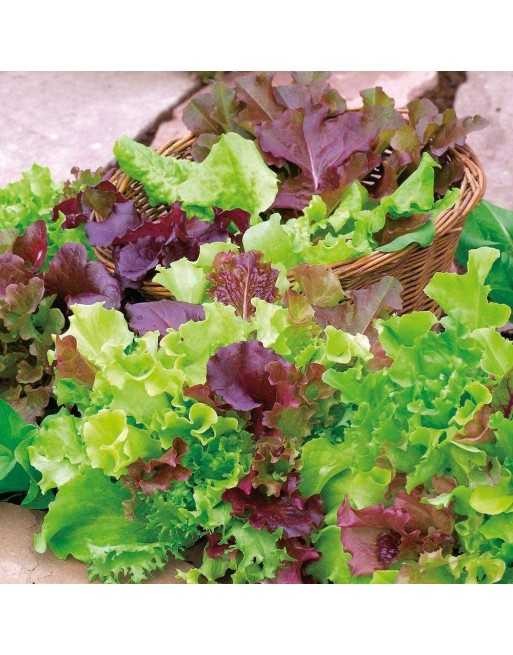
Lettuce
Arugula
Spinach
Radish
Mustard greens
Baby kale
Swiss chard
Bok choy
Green onions
Turnips
Beets
Carrots
Kohlrabi
Warm Season Crops To Sow In June
Bush beans
Pole beans
Cucumbers
Zucchini
Summer squash
Pumpkins
Winter squash
Sweet corn
Okra, in warmer regions
Melons, in warm regions or with protection
Flower Seeds to Sow In June
Sunflowers
Zinnias
Cosmos
Marigolds
Nasturtiums
Calendula
Bachelor’s buttons
Alyssum
Coreopsis
Morning glory
Four o’clocks
Cleome
Tithonia / Mexican sunflower
Amaranth
Nigella
Poppies, in cooler areas
Pepper Seeds to Sow In June
Jalapeño
Cayenne
Fresno
Banana pepper
Hungarian hot wax
Shishito
Mini bell peppers
Sweet bell peppers
Habanero, in warm areas or containers
Scotch Bonnet, best in containers or greenhouse
Superhots, best only as established plants
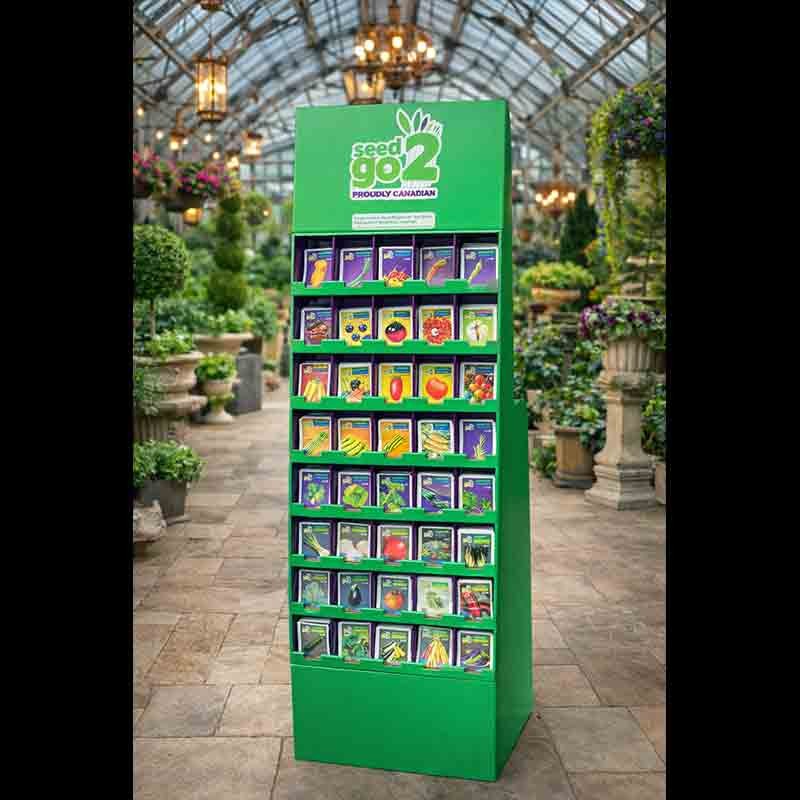
Design custom seed packets for your own purpose; events, promotions, mailing campaigns, marketing a business, & more. '
Realtors – “Plant Roots in Your New Home” / “Growing Communities Together”
Local Businesses – “Watch Your Business Grow” / “Thank You for Supporting Local”
Schools – “Plant the Seeds of Knowledge” / “Grow the Future”
Banks & Institutions – “Invest in Growth” / “Grow Your Future With Us”
Corporate Marketing – “Grow Your Brand”
Browse catalog by type and build your cart by clicking add to cart. Once clicked and spinner starts, the item is automatically in your shopping cart. When ready to checkout, view your cart and select "Place My Order."
10% of all profits are donated to goodwill projects at our expense.
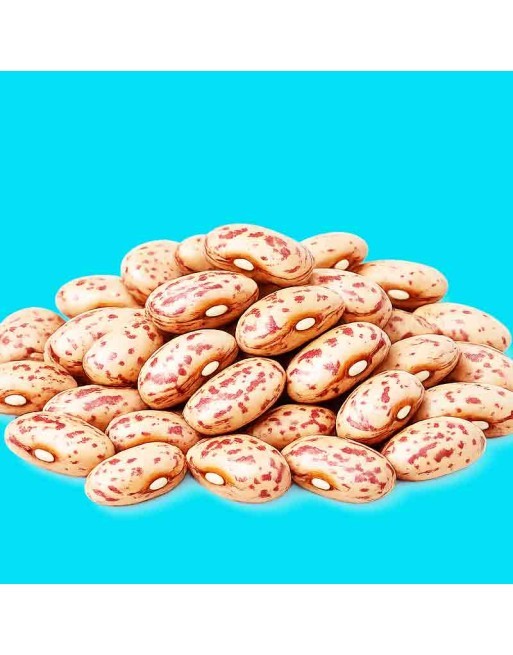
Dutch Brown Beans or as they are known in The Netherlands, Bruine Bonen, are a plum oval-shaped bean with a caramel brown coloured skin. Dutch Brown Beans retain their shape and colour when cooked. Often served with rice or in a soup, Dutch Brown Beans have a rich buttery taste.
Little Marvel Peas are one of the most popular pea varieties for home gardens. Pea vines reaching 18" long produce a profusion of pods that are about 3" long. The medium-small, wrinkled peas are tender and sweet tasting. An excellent pea choice for quick-freezing!
Also known commonly as Green Beans, Harvester Bush Beans are a staple to any meal. These beans are also often called snap peas or string beans. They are one of the most common vegetables grown, and with good reason. These seeds sprout fast and grow to maturity quickly as well. The Harvester variety of bush bean grows in the shape of a bush, and therefore does not need a pole or support to flourish. The Harvester variety is a hardy plant and is resistant to many of the most common bean diseases. Plants are rich with nutrients so they are an excellent addition to a compost after the final harvest.
Very productive variety. medium-early cycle. The pods are green and produce, ripe, white and elongated seeds ideal for vegetable soups
Small white bean Bush variety. Easy to grow. 65 or so days. You can pick them small and use as a fresh bean if you wish. Plant after soil has warmed up well, 1 seed every two inches 3/4 inch deep. Space rows 12 inches. Pick when pods are full and have started to dry out, shell and store in glass jar with a lid can be stored for your hearty winter soups and stews..
An early dwarf variety for shelling. Elongated white seed and long green pods that are wide and cylindrical. The beans can either be dried or consumed fresh. Fresh beans should be picked when the pods begin to turn yellow. SOWING: from March to August in rows 50-70 cm apart.









![Bruine Bonen Dutch Brown Bean, Bush Bean - [ Seed2Go - Canada ] - V-DBB - Bean/Pea](https://www.seed2go.ca/6736-home_default/bruine-bonen-dutch-brown-bean-bush-bean.jpg)
![Little Marvel Shelling Pea Seeds, AAS Winner, England Origin - [ Seed2Go.ca ] - [Seed Packets] - Pea -](https://www.seed2go.ca/6512-home_default/little-marvel-shelling-pea-seeds-aas-winner-england-origin.jpg)
![Green Bean, Harvester Bush Bean, Mangiatutto - [ Seed2Go - Canada ] - VG-HB - Bush Beans](https://www.seed2go.ca/6763-home_default/green-bean-harvester-bush-bean-mangiatutto.jpg)
![Cannelino Nano, Italian White Kidney, Bush Bean, Dwarf French Bean, Fagiolo Nano Cannellino - [ Seed2Go Canada ] - ZA2-VB-BBCN](https://www.seed2go.ca/5098-home_default/cannelino-nano-bush-bean-dwarf-french-bean-fagiolo-nano-cannellino.jpg)
![Grundy-Perfect Arrow Green Pea, England - [ Shop Canadian Seeds Online ] - Bean/Pea -](https://www.seed2go.ca/7339-home_default/grundy-perfect-arrow-green-pea-england.jpg)
![Sunshine Yellow Pole Bean, Stringless, White Seed - [ Seed2Go Canada ] - DW1-VB-SPB - Bean & Pea](https://www.seed2go.ca/7342-home_default/sunshine-yellow-pole-bean-stringless-white-seed.jpg)
![Hilda Romano, Slicing Pole Bean Seeds, Stringless - [ Seed2Go.ca ] - [Seed Packets] - Bean & Pea -](https://www.seed2go.ca/7344-home_default/hilda-romano-slicing-pole-bean-seeds-stringless.jpg)
![Kentucky Wonder Yellow Pole Bean - [ Seed2Go Canada ] - O1-VB-KTWY - Bean & Pea](https://www.seed2go.ca/7347-home_default/kentucky-wonder-yellow-pole-bean.jpg)
![French Goldfield, Yellow Climbing Bean, Pole Bean - [ Seed2Go Canada ] - DW1-VB-GFB - Bean & Pea](https://www.seed2go.ca/7349-home_default/french-goldfield-climbing-bean-pole-bean.jpg)
![Yellow Bush Bean, High Yielding, Improved - [ Seed2Go Canada ] - DW2-VB-YBB - Bush Beans](https://www.seed2go.ca/7351-home_default/yellow-bush-bean-high-yielding-improved.jpg)