Quick order form

You already know the products you want to order ?

Click on the button below to access our quick order form and save time.

Access quick order form

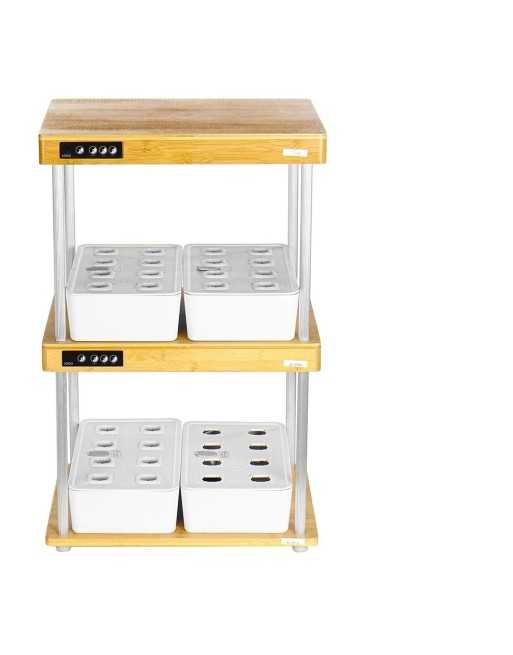
Indoor Grow Seed Varieties

Indoor Grow Seed Varieites

Herbs - Germinate - Cuttings
1. Basil - Possible - Easy
2. Dill - Possible - Easy
3. Borage - Possible - Easy
4. Sorrel - Possible - Easy
5. Cilantro - Possible - Easy
6. Mint - Possible - Easy
7. Rosemary - Possible - Easy
8. Lavender - Possible - Easy
9. Parsley - Possible - Easy


Hydroponic Vegetables
Vegetables - Germintate - Cuttings 
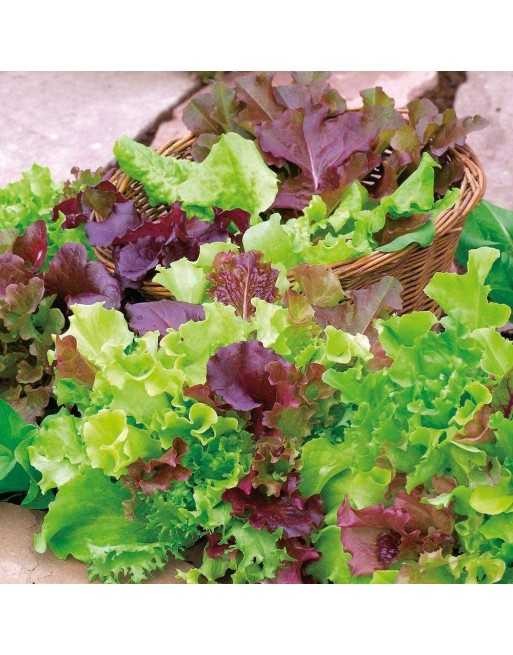
1. Lettuce - Possible - Easy
4. Cucumber - Possible - Easy
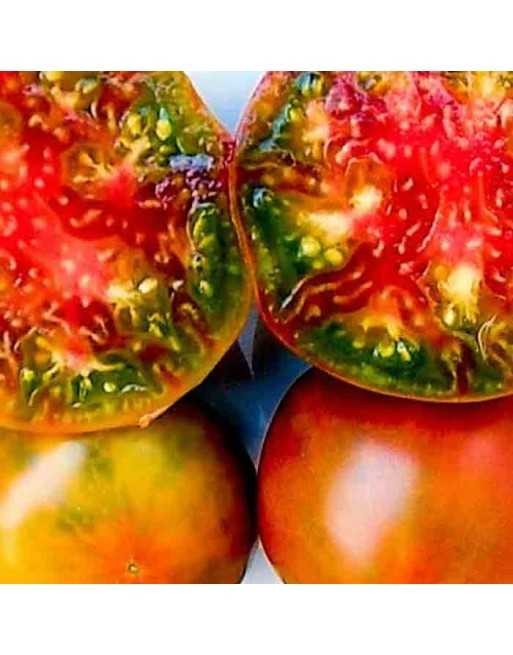
5. Tomato - Possible - Easy
8. Collard - Possible - Easy
9. Fennel - Possible - Easy

Fruit:

Strawberries are perhaps the easiest to cultivate out of all the berries that we’ve listed.

Here’s why:

They’re fairly small.
Are widely available as runners (pre-conditioned).
And are inexpensive.

Indoor Grow Seed Varieties

Subcategories

There are 192 products.

Showing 121-130 of 192 item(s)

Browse catalog by type and build your cart by clicking add to cart. Once clicked and spinner starts, the item is automatically in your shopping cart. When ready to checkout, view your cart and select "Place My Order."


10% of all profits are donated to goodwill projects at our expense.
Marketmore 70 Long Pickling Cucumber - [ Shop Canadian Seeds Online ]  - Cucumber -
  • On sale!

Marketmore 70 Long Pickling Cucumber

Introduced in 1968 by Cornell University, 'Marketmore' is a beautiful, dark green cucumber that's ready to pick when 6"–8" long. Fruits keep their size and shape even under poor weather conditions unlike other varieties that may curl and become misshapen. The 4'–6' long vines continue to produce with regular picking.
With a crisp crunch and sweet flavor, this variety has a small seed cavity and lends itself to both slicing and pickling.
Resistant to powdery and downy mildew, leaf spot, mosaic virus, and scab, this is a reliable producer in warmer climates.
Type Cucumber
Family Gourd Family
Temperature Soil 70-80F
Temperature Daytime 70-85F
Temperature Evening 65F+
Lighting Partial, 4-6 Hours Per Day
Water Heavy, 3 Gallons Per Day
Maturity Moderate: 50-60 Days Harvest
PH Neutral 07-Jan
Zones 4A-11B
Plant Placement 4 Plants, 2 Per Row


★★★★★ In Stock
Price $2.49
Mizuna Lettuce, Dark Green Dandelion, Japanese/Asian
  • On sale!

Mizuna Lettuce, Dark Green Dandelion, Japanese/Asian

A very popular addition to gourmet salad mixes. Serrated green leaves offer interesting texture to blend with other varieties of lettuce. The younger the growth, the more mild the flavour. As a baby green 17 to 21 days to harvest. Full grown, 40 Days to harvest!

Spicy mustard flavor adds zing to salads and is a frequent addition to spring mix. Narrow leaves are dark green and serrated. Excellent for baby vegetable and salad mixes. 

Type Salad Greens
Family Cabbage Family
Temperature Soil 55-75F
Temperature Daytime 50-65F
Temperature Evening 40F+
Lighting Partial / Full, 4-6 Hours/Day
Water Light,6 Gallons/Week
Maturity Short, 30-55 Days Harvest
PH Neutral 6.5-7.2
Zones 1A-9B
Plant Placement 4 Plants, 4 Per Row


★★★★★ In Stock
Price $2.49

Lollo Rossa, Italian Burgundy Lettuce, Baby Leaf, Looseleaf

Burgundy coloured lettuce with frilled leaves. Excellent for gourmet salad mixes.

55 Days to harvest!

Italian looseleaf loved for its deep red, tightly curled leaves surrounding a bright green heart.

An ideal baby leaf variety providing mild flavor and excellent loft, heft and color to salad mixes. Open heads are compact, slower growing and slower to bolt than other lettuces. Displayed field resistance to mildew in our trials.

Ideal baby leaf variety

Slow to bolt

★★★★★ In Stock
Price $2.49

Greek Oregano, Herb Seeds

Oregano is a perennial herb with purple or white flowers and is an ultimate staple in Italian cuisine. Sprinkle oregano on meats, soups, pizzas, and pasta sauces for super flavorful dishes. Today we'll show you how to grow oregano from seeds! You can grow oregano either in your garden or in a pot or container on your windowsill. Learn how to grow oregano, care for it, and harvest it right here!

PLANTING OREGANO:

Oregano loves the sun – the more sun it receives, the stronger the flavor. Place your oregano plant in a spot where it will get at least 6 hours of sun.

Plant oregano seeds or cuts 6-10 weeks before the last spring frost.

Plant the seeds or cuttings in well drained soil once the temperature of the soil is at least 70F.

Space the oregano plants 8-10 inches apart. Each plant should grow to about 1-2 feet in length and spread out to about 18 inches.

CARING FOR OREGANO:

Allow your oregano plant to grow to 4 inches and then thin or pinch off to encourage a denser plant.

Regular trimming of your oregano plant is very important, as it will grow faster and bushier.

Water only when the soil feels dry – oregano doesn't require as much water as other herbs do.

Thin out the plants that are 3 or 4 years old in the early spring. Oregano is self seeding, therefore the plants will grow back easily without you having to do anything!

Type Herbs
Family Family Varies
Temperature Soil 50-60F
Temperature Daytime 50-85F
Temperature Evening 45F
Lighting Partial, 2-4 Hours/Day
Water Light, 6 Gallons/Week
Maturity 65-100 Days Harvest
PH Neutral 5.5-8.0
Zones 2A-10B
Plant Placement 3 Plants, 3 Rows
★★★★★ In Stock
Price $2.49

Traditional Onion Chives, Hardy Perennial Herb, Onion Chive Seeds

12-18 Inches Tall

8-12 Inches Wide

Plant in Full Sun

Onion Chives are a hardy perennial herb that is easy to grow, easy to use, and plentiful in its harvest. New plants are ready for harvest within 80-90 days, but established plants will be ready much sooner. Chives are easy to utilize in the kitchen; add them to soups, salads, potatoes, spreads, eggs, and any dish you would like to add the crisp onion flavor to. This variety has green tubular leaves and lovely purple flowers that are also edible. The upright habit and purple flowers make chives a must-have addition to the edible garden, and makes it a great choice for borders and flower gardens, as well.

Chives are perennial herbs and can withstand a light frost. Chives onion have purple flowers and waxy green, tubular leaves that taste like onion. Flowers bloom in summer and are edible. Chives can grow up to a foot high and spread by seed. They have an upright growth habit that looks great in borders, containers, and gardens.


Type

Herbs
Family Family Varies
Temperature Soil 50-60F
Temperature Daytime 50-85F
Temperature Evening 45F
Lighting Partial, 2-4 Hours/Day
Water Light, 6 Gallons/Week
Maturity 65-100 Days Harvest
PH Neutral 5.5-8.0
Zones 2A-10B
Plant Placement 3 Plants, 3 Rows
★★★★★ In Stock
Price $2.49

Parris Island Romaine Seeds, Cos Lettuce, Romaine Lettuce Seeds

Parris Island Cos Lettuce is a hardy plant that grows well in many regions. Grow this lettuce variety in your garden for fresh greens all summer long. Patriot Seeds Lettuce Seeds are 100% heirloom seeds and open-pollinated. That means you can grow, harvest, and replant your lettuce crop endlessly and store any unused seeds in their resealable heavy-duty package for 5+ years. 
Romaine - Parris Island Cos Lettuce is named after Parris Island, South Carolina. The island has less-than-ideal conditions for lettuce cultivation, so this type of romaine lettuce is known for its hardiness and ability to grow in almost any climate.
  
Type Salad Greens
Family Cabbage Family
Temperature Soil 55-75F
Temperature Daytime 50-65F
Temperature Evening 40F+
Lighting Partial / Full, 4-6 Hours/Day
Water Light,6 Gallons/Week
Maturity Short, 30-55 Days Harvest
PH Neutral 6.5-7.2
Zones 1A-9B
Plant Placement 4 Plants, 4 Per Row

★★★★★ In Stock
Price $2.49

English Dog Daisy Flower

Soil

Well-drained soil of average fertility.

Position

Full sun.

Frost tolerant

Limited. The varieties sold as bedding plants can tolerate light frosts, but are meant to be grown as summer annuals.

Feeding

Mix a light application of a balanced organic fertilizer into the soil prior to planting. In summer, drench plants every two weeks with a liquid fertilizer.

Companions

Ageratum and Petunia. African daisies look best when planted in groups or masses, perhaps framed with dusty miller, ageratum or annual verbena. Osteospermum make great flowers for containers.

Spacing

Single Plants: 11" (30cm) each way (minimum)

Rows: 11" (30cm) with 11" (30cm) row gap (minimum)

Sow and Plant

Only a few varieties of osteospermum are grown from seed. The heavy flowering varieties are propagated from rooted stem cuttings and sold as potted plants in spring. Set plants out at about the time of your last spring frost.

Notes

Osteospermum colors include pink, white, and shades of yellow. The plants will bloom for eight weeks or more if old flowers are removed.

Harvesting

When cut as soon as they open, osteospermum make good cut flowers.

Troubleshooting

As plants age, they sometimes develop problems with powdery mildew. Aphids may occasionally feed on new growing tips and buds. Pinch off large colonies.

★★★★★ In Stock
Price $2.49

Red Romaine Cos Lettuce, Romaine Lettuce

Spacing
4 per square foot
Depth
Sprinkle the tiny seeds on top of the soil, then sprinkle soil on top of the seeds. When dispersing the seeds, try to respect the final 4 plants per square foot spacing so you don’t have to spend too much time thinning the plants when they sprout.
Requirements
Best in full sun, but can handle a bit of shade. pH around 6-6.5.
Germination
Seeds will sprout in 7-10 days.
Pests
Can be bothered by slugs or aphids. Pick off slugs at dusk and destroy. Wash off aphids with a strong jet of water.
Timing
Direct sow in the early spring and in the fall, or start transplants 2 or 3 weeks before hand to get an early start.
Growing
Provide lettuce with lots of water and keep an eye out for slugs. Otherwise stand back and let it grow.
Harvest
60 days
Season
Cool, annual
Type Salad Greens
Family Cabbage Family
Temperature Soil 55-75F
Temperature Daytime 50-65F
Temperature Evening 40F+
Lighting Partial / Full, 4-6 Hours/Day
Water Light,6 Gallons/Week
Maturity Short, 30-55 Days Harvest
PH Neutral 6.5-7.2
Zones 1A-9B
Plant Placement 4 Plants, 4 Per Row

★★★★★ In Stock
Price $2.49
Roma Sweetie Cherry Tomato Seeds, High Sugar Red Cherry, North American Heirloom - [ Shop Canadian Seeds Online ]  - Grape & Che
  • On sale!

Roma Sweetie Cherry Tomato Seeds, High Sugar Red Cherry, North American Heirloom

Sweetie Cherry Tomato is an open-pollinated, indeterminate cherry variety that produce heavy clusters of super sweet cherry tomatoes. Sweetie is known for its low acidity and high sugar

Vigorous plants produce heavy yields of 1-1.5″ round cherry tomatoes that grow in clusters of 15-20.

Tomatoes are best started indoors 4–6 weeks before your last frost date. Plant seeds ¼ inch deep and keep evenly moist. Optimum soil temperature is 70–90°F, which can be achieved with a heating mat. After 6–14 days, place new seedlings in a sunny window and fertilize every 2 weeks. Harden off your seedlings before planting by placing them outdoors during the day and bringing inside at night. Transplant 18–24 inches apart in rows that are 36–60 inches apart.

 
Type Tomato
Family Nightshade Family
Temperature Soil 70F
Temperature Daytime 70-85F
Temperature Evening 65+F
Lighting Light, Full, 6-8 Hours / Day
Water Heavy, 9 Gal / Day
Maturity Long, 65-100 Days
PH Neutral Ph Neutral, 5.5-6.8
Zones 2A-10b
Plant Placement 2 Plants, 2 Per Row


★★★★★ In Stock
Price $2.49

Consolida Larkspur Flowers, Europe, the Mediterranean and Asia

Soil

Average garden soil with excellent drainage.

Position

Full sun.

Frost tolerant

Good. Where winters are mild, seedlings sprout in fall and survive until spring.

Feeding

Fast growth is encouraged by mixing a balanced organic fertilizer into the soil before planting.

Companions

Echinacea, Oats and Monarda. Upright larkspur makes an ideal flower to grow behind shorter mound-forming bloomers.

Spacing

Single Plants: 11" (30cm) each way (minimum)

Rows: 11" (30cm) with 11" (30cm) row gap (minimum)

Sow and Plant

Sow larkspur seeds where you want the plants to grow in fall, or first thing in spring. Larkspur can be transplanted with care, but plants grow best from direct-sown seeds.

Our Garden Planner can produce a personalized calendar of when to sow, plant and harvest for your area.

Notes

Well-pleased plants can grow quite tall and may need staking. In many climates, larkspur will reseed with a little encouragement. Colors include pink, purple, lavender, white and many bicolors.

Harvesting

Larkspurs make wonderful cut flowers. As flowers fade, snip them off with scissors to keep the plants looking neat. Pull up plants when blooms become scarce.

Troubleshooting

The biggest challenge to growing larkspur is getting the seedlings up and growing. Larkspur is poisonous to pets and horses, but is seldom nibbled due to its bitter taste

★★★★★ In Stock
Price $2.49