
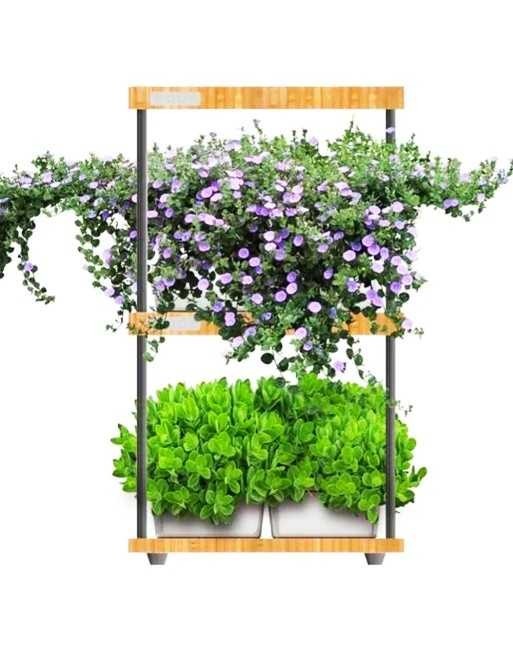


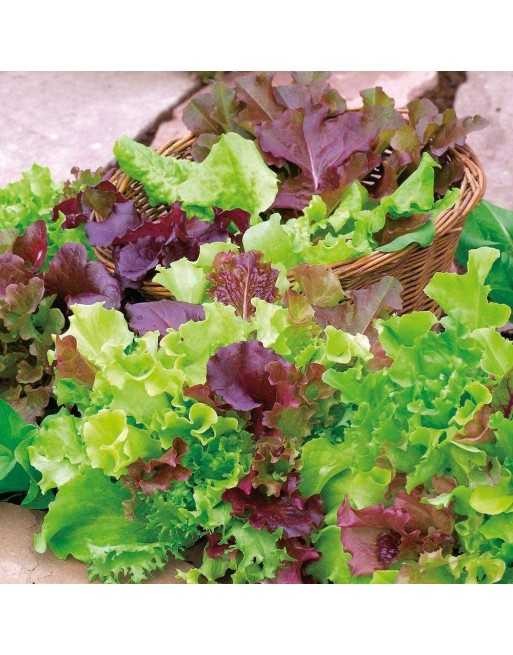



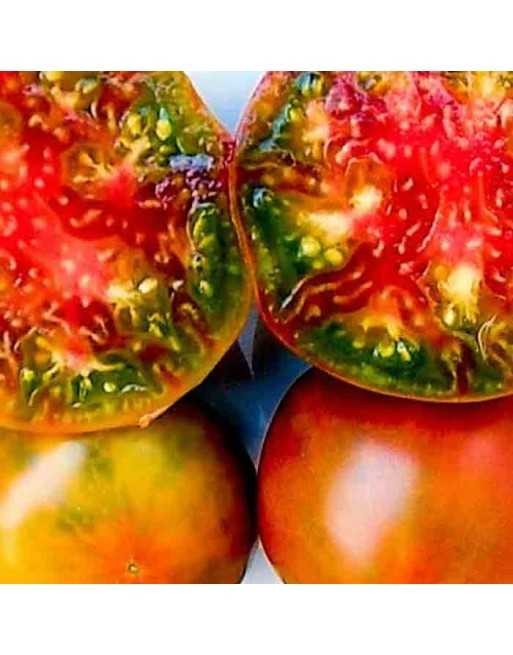

Bird and Butterfly Spring Mix Flower Seeds
Mix of various flowers for spring to attract birds and butterflies with a spring bloom.

*Existing Repeat Customers Discounted Too!
Subcategories
There are 873 products.
Mix of various flowers for spring to attract birds and butterflies with a spring bloom.
Oriental Stir Fry Mix: Green & Red Mizuna, Kale, Red & Green Mustard
| Type | Salad Greens |
| Family | Cabbage Family |
| Temperature Soil | 55-75F |
| Temperature Daytime | 50-65F |
| Temperature Evening | 40F+ |
| Lighting | Partial / Full, 4-6 Hours/Day |
| Water | Light,6 Gallons/Week |
| Maturity | Short, 30-55 Days Harvest |
| PH Neutral | 6.5-7.2 |
| Zones | 1A-9B |
| Plant Placement | 4 Plants, 4 Per Row |
Asian mustard (Brassica rapa rosularis) having a rosette of edible dark green spoon-shaped glossy leaves also : the leaves.
Sow tatsoi in spring and again in late summer for harvest in fall. Sow in double rows, with rows spaced 10 inches (25 cm) apart. Plant seeds 2 inches (5 cm) apart and barely cover them with soil. Gradually thin to 8 inches (20 cm) apart.
Tatsoi is a very versatile green, equally suited to being served raw or lightly cooked. To make it easy, just use tatsoi anywhere you'd use spinach. Lightly steam or sauté it, wilt the leaves with a warm dressing, or add them to a soup at the end of cooking.
Appearance Stalks: Bright red, crimson, or ruby red.
Leaves: Dark green and crinkly with prominent red veins.
Growth habit: Arching leaves supported by the colorful stalks.
Culinary uses Young leaves: Delicious in salads. Mature leaves and stalks: Can be steamed, sautéed, or stir-fried. Stalks: Can be cooked like asparagus. Common dishes: Salads, quiches, and steamed side dishes.
Harvesting: Harvest baby leaves after about 30 days or mature leaves after 50-60 days. Growing conditions: Prefers cool weather and fertile, well-drained soil with consistent moisture. Planting: Sow seeds in soil temperatures of \(10-29 and thin seedlings to about \(15-30\) cm apart.
Sunlight: Full sun in cooler climates, and partial shade in hotter climates. Hardiness: It can be grown as an annual and is relatively cold-hardy, though it does best in cool weather.
| Type | Swiss Chard |
| Family | Cabbage Family |
| Temperature Soil | 55-70F |
| Temperature Daytime | 40-50F |
| Temperature Evening | 45+F |
| Lighting | Full, 6-8 Hous Per Day |
| Water | Steady, 6 Gallons / Week |
| Maturity | Short, 55-65 Days Harvest |
| PH Neutral | 6.0-7.5 |
| Zones | 1A-8B |
| Plant Placement | 3 Plants, 3 Per Row |
Ancient from the Netherlands with light green slightly savoyed leaves and white/pale green stalks.
| Type | Swiss Chard |
| Family | Cabbage Family |
| Temperature Soil | 55-70F |
| Temperature Daytime | 40-50F |
| Temperature Evening | 45+F |
| Lighting | Full, 6-8 Hous Per Day |
| Water | Steady, 6 Gallons / Week |
| Maturity | Short, 55-65 Days Harvest |
| PH Neutral | 6.0-7.5 |
| Zones | 1A-8B |
| Plant Placement | 3 Plants, 3 Per Row |
Orange stocks and green leaves great for salads or steamed side plate.
Golden Swiss chard can be used similarly to other leafy greens and chard varieties and may be eaten raw when young, but larger leaves are best cooked. They can be sautéed, blanched, stewed, braised, baked, and even grilled. Use raw leaves to add an earthy saltiness and a bright color to salad mixes. Slow cook entire stalks similarly to collards, though some of their golden color may lessen and become dull, and compliment with smoked meats and white beans. Wilt the shredded leaves into pastas or atop pizzas and flatbreads. The golden stalks are as equally edible as the leaves, and may be used in dishes for added texture. Complimentary flavors include citrus, tomatoes, garlic, shallots, chickpeas, white beans, potatoes, aged and melting cheeses, cream, mushrooms, bacon, sausage, ham, chili flakes, fennel and herbs such as basil, tarragon and chervil
| Type | Swiss Chard |
| Family | Cabbage Family |
| Temperature Soil | 55-70F |
| Temperature Daytime | 40-50F |
| Temperature Evening | 45+F |
| Lighting | Full, 6-8 Hous Per Day |
| Water | Steady, 6 Gallons / Week |
| Maturity | Short, 55-65 Days Harvest |
| PH Neutral | 6.0-7.5 |
| Zones | 1A-8B |
| Plant Placement | 3 Plants, 3 Per Row |
Lettuce: Bionda Ricciolina/Grand Rapid
Bionda Ricciolina/Grand Rapid: Leaves are lightly cloaked with lob ate edged. Leaves are thick and light green in colour.
Fast growing light green cutting lettuce. Frilly leaves. Will regrow after cutting but it is best to succession plant for best quality and regular production. Make succession plantings every 3 weeks. Broadcast sow in a bed from 3 weeks or so before last frost, trying to get seeds an inch or so apart. Cover or rake in lightly; keep bed moist until lettuce emerges (7-14 days depending on temperature). To harvest either grab a bunch of plants and cut with a knife or pull entire plant.
| Type | Lettuce |
| Family | Daisy Family |
| Temperature Soil | 40-50F |
| Temperature Daytime | 50-65F |
| Temperature Evening | 40F+ |
| Lighting | Partial / Light, 2-4 Hours/Day |
| Water | Light, 3 Gallons/Week |
| Maturity | Moderate, 60-70 Days Harvest |
| PH Neutral | 7.0-8.0 |
| Zones | 4A-9B |
| Plant Placement | 8 Plants, 4 Per Row |
The Golden Acre is a tasty cabbage that arrives early and is suited for close spacing. This early round head cabbage is easily grown and versatile in use. Heads are about 6 to 7 inches in diameter on compact plants about a foot high. Its firm, medium green head is excellent cooked or raw in stews and salads.
| Type | Cabbage |
| Family | Cabbage Family |
| Temperature Soil | 55-75F |
| Temperature Daytime | 55-70F |
| Temperature Evening | 35F+ |
| Lighting | Full, 4-6 Hours / Day |
| Water | Steady, 6 Gallons / Week |
| Maturity | Long, 60-120 Days Harvest |
| PH Neutral | 6.5-6.8 |
| Zones | 1A-9B |
| Plant Placement | 6 Plants, 3 Per Row |
Marigolds germinate quickly, sprouting within a few days and blooming in about 8 weeks, making them easy to grow from seed. Sow seeds directly outside after all danger of frost, 1 inch apart and water thoroughly after planting.
Marigolds only need enough water to dampen the soil, and they only require watering about once every ten days. The soil should be allowed to dry out on the surface before watering. The base of the plant should receive the water, and the plant should not be watered from overhead.
Marigolds thrive in cool season, it is best to plant during spring. Marigolds can even handle the reflected heat and light of paved surfaces as long as they get regular moisture. Another fun fact, marigolds bloom better and more often in poorer soil!
1. Violets/Violas
Violets/Violas are sweet with a floral taste. The edible violet/viola plant can be used to make syrups, brew teas, be added in baked desserts and as garnishes on cakes. Flowers can also be added to salads and soups as garnish.
2. Lavender
Lavender’s initial sensory impact is a strong floral flavour and aroma, with subtle notes of herbaceousness, earthiness, and mint. Different varieties have undertones of fruit, smoke and woodiness. Use the complex culinary herb in moderation. Try it in hearty stews and wine-reduced sauces. It also adds a delightful scent to custards, flans or sorbets, and makes a beautiful garnish for salads, desserts and cocktails.
3. Marigolds
Marigolds have a refreshing lemony flavour with subtle spice. They add vibrant colour to dishes, and can be eaten raw or cooked and used in everything from savoury dishes to desserts, teas and cocktails.
4. Rose
Rose’s flavour depends on type, colour and soil conditions. While petals are intensely perfumed, their flavour is subtler and a bit fruity (think strawberries and green apples), with complex undertones ranging from fruit to mint to spice. The darker the petals the more pronounced the flavour. The miniature varieties are a beautiful garnish to ice cream and desserts. Larger petals can be sprinkled on desserts or salads. Petals can be used in syrups, jellies and sweet spreads. Be sure to remove the bitter white portion of the petals before using.
5. Pansies
Pansies are one of the most popular edible flowers, both because you can eat their sepals and because they come in such a wide array of vibrant colours. They have a fresh, slightly spicy, grassy and wintergreen undertone, which makes them a wonderful addition to salads, and they add a great splash of colour. They are also excellent dessert flowers. They can be pressed fresh into the icing of a cake or placed in a bowl of cut fruit.
6. Carnations
Carnations are crinkly, cheerful and have a sweet and spicy flavour. Culinary uses include being steeped in wine, candied, pickled, or used as a syrup base for cocktails and ice cream sundaes. They are great with rice dishes and bright additions to salads or as fresh toppings on savoury dishes.