









- On sale!
![Golden Jubilee Tomato, Large & Delicious Tomato, 30 Seeds - [ Shop Canadian Seeds Online ] - Tomato Seeds -](https://www.seed2go.ca/8276-large_default/golden-jubilee-tomato-large-delicious-tomato.jpg "Golden Jubilee Tomato, Large & Delicious Tomato, 30 Seeds - [ Shop Canadian Seeds Online ] - Tomato Seeds -")

*Existing Repeat Customers Discounted Too!


![Golden Jubilee Tomato, Large & Delicious Tomato, 30 Seeds - [ Shop Canadian Seeds Online ] - Tomato Seeds -](https://www.seed2go.ca/8276-home_default/golden-jubilee-tomato-large-delicious-tomato.jpg "Golden Jubilee Tomato, Large & Delicious Tomato, 30 Seeds - [ Shop Canadian Seeds Online ] - Tomato Seeds -")
![Golden Jubilee Tomato, Large & Delicious Tomato, 30 Seeds - [ Shop Canadian Seeds Online ] - Tomato Seeds -](https://www.seed2go.ca/5022-home_default/golden-jubilee-tomato-large-delicious-tomato.jpg "Golden Jubilee Tomato, Large & Delicious Tomato, 30 Seeds - [ Shop Canadian Seeds Online ] - Tomato Seeds -")
![Golden Jubilee Tomato, Large & Delicious Tomato, 30 Seeds - [ Shop Canadian Seeds Online ] - Tomato Seeds -](https://www.seed2go.ca/5262-home_default/golden-jubilee-tomato-large-delicious-tomato.jpg "Golden Jubilee Tomato, Large & Delicious Tomato, 30 Seeds - [ Shop Canadian Seeds Online ] - Tomato Seeds -")
![Golden Jubilee Tomato, Large & Delicious Tomato, 30 Seeds - [ Shop Canadian Seeds Online ] - Tomato Seeds -](https://www.seed2go.ca/1683-home_default/golden-jubilee-tomato-large-delicious-tomato.jpg "Golden Jubilee Tomato, Large & Delicious Tomato, 30 Seeds - [ Shop Canadian Seeds Online ] - Tomato Seeds -")
![Golden Jubilee Tomato, Large & Delicious Tomato, 30 Seeds - [ Shop Canadian Seeds Online ] - Tomato Seeds -](https://www.seed2go.ca/714-home_default/golden-jubilee-tomato-large-delicious-tomato.jpg "Golden Jubilee Tomato, Large & Delicious Tomato, 30 Seeds - [ Shop Canadian Seeds Online ] - Tomato Seeds -")
![Golden Jubilee Tomato, Large & Delicious Tomato, 30 Seeds - [ Shop Canadian Seeds Online ] - Tomato Seeds -](https://www.seed2go.ca/5021-home_default/golden-jubilee-tomato-large-delicious-tomato.jpg "Golden Jubilee Tomato, Large & Delicious Tomato, 30 Seeds - [ Shop Canadian Seeds Online ] - Tomato Seeds -")
Reference: OC3-V-GJOT

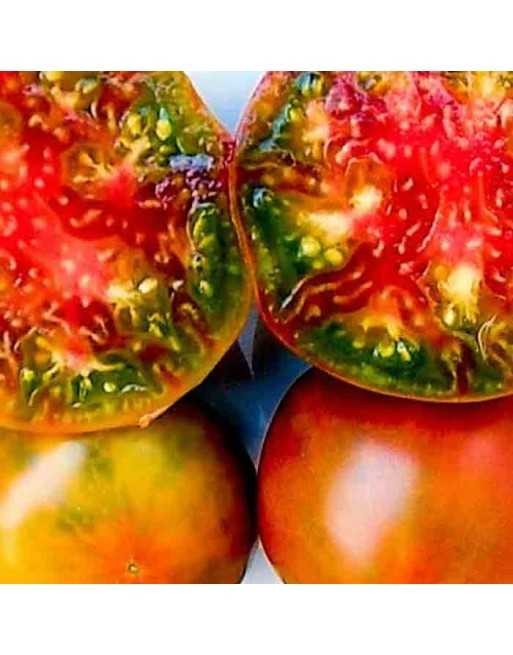
Meaty and thick, golden-orange skin with a mild flavor. A great choice for its low acidity and high Vitamin C content.
History: The Golden Jubilee was first introduced in 1943 by the W. Atlee Burpee & Co. which was established in 1876. After almost 150 years Burpee continues and has grown into a very large organization. Golden Jubilee is sweet, mild and meaty. Its mild flavor pairs well with other ingredients and it holds its orange color when cooked. An All American Selections winner in 1943.
Open-pollinated (80 days)
Plant Habit: Indeterminate. Plant Size: 6’. Fruit Color: Orange. Shape: Globe. Size: 6-8 oz. 30 seeds
| Type | Tomato |
| Family | Nightshade Family |
| Temperature Soil | 70F |
| Temperature Daytime | 70-85F |
| Temperature Evening | 65+F |
| Lighting | Light, Full, 6-8 Hours / Day |
| Water | Heavy, 9 Gal / Day |
| Maturity | Long, 65-100 Days |
| PH Neutral | Ph Neutral, 5.5-6.8 |
| Zones | 2A-10b |
| Plant Placement | 2 Plants, 2 Per Row |
Tomatoes are a relatively easy fruit to grow, and are a delicious summertime treat best enjoyed straight from the garden. Plant them in a sunny location once all danger of frost has passed. Remember to set up your Staking System right away, to avoid a headache later on, since proper support helps keep the plants healthy and producing. Tomatoes come in two types: determinate and indeterminate. Determinate are better known as “bush” or “patio” varieties, and have a set-size that they will grow to, making them ideal for shorter growing seasons or small spaces. Fruit on a determinate tomato plant sets and ripens all at once. Indeterminate varieties, such as cherry or grape tomatoes, will continue to grow and produce throughout the season; until the plant is eventually killed by frost or runs out of nutrients. Be sure to always supply tomatoes with added calcium to prevent Blossom End Rot. Consistently check water levels throughout the day, since tomato plants are very heavy drinkers and require a lot of water. The most common pest is the Tomato Hornworm, which can destroy your crops with its voracious appetite. Check plants regularly and pick any off by hand. Hornworms that have rice-looking eggs on them may be left alone; as this indicates the hornworm has become a host for parasitic wasp eggs, and it will eventually die.
COMMON PESTS: Aphids, Flea Beetles, Tomato Hornworms, Whiteflies, Potato Beetle, Mosquitoes, Stink Bugs
SUSCEPTIBLE TO: Blossom End Rot, Splitting, Cat-facing, Magnesium Deficiency, Mosaic Virus, Early/Late Blight, Bacterial Spot/Speck, Verticilum Wilt, Fusarium Wilt, Canker, Black Mold, Gray Mold, Yellow Leaf Curl Disease
Meaty and thick, golden-orange skin with a mild flavor. A great choice for its low acidity and high Vitamin C content.
History: The Golden Jubilee was first introduced in 1943 by the W. Atlee Burpee & Co. which was established in 1876. After almost 150 years Burpee continues and has grown into a very large organization. Golden Jubilee is sweet, mild and meaty. Its mild flavor pairs well with other ingredients and it holds its orange color when cooked. An All American Selections winner in 1943.
Open-pollinated (80 days)
Plant Habit: Indeterminate. Plant Size: 6’. Fruit Color: Orange. Shape: Globe. Size: 6-8 oz. 30 seeds
| Type | Tomato |
| Family | Nightshade Family |
| Temperature Soil | 70F |
| Temperature Daytime | 70-85F |
| Temperature Evening | 65+F |
| Lighting | Light, Full, 6-8 Hours / Day |
| Water | Heavy, 9 Gal / Day |
| Maturity | Long, 65-100 Days |
| PH Neutral | Ph Neutral, 5.5-6.8 |
| Zones | 2A-10b |
| Plant Placement | 2 Plants, 2 Per Row |