




- On sale!
![Aji Guyana Lemon Pepper, South American Pepper Seeds, Mild Pepper - [ Shop Canadian Seeds Online ] - Pepper Seeds -](https://www.seed2go.ca/7708-large_default/aji-guyana-lemon-pepper-south-american-pepper-seeds-mild-pepper.jpg "Aji Guyana Lemon Pepper, South American Pepper Seeds, Mild Pepper - [ Shop Canadian Seeds Online ] - Pepper Seeds -")

*Existing Repeat Customers Discounted Too!


![Aji Guyana Lemon Pepper, South American Pepper Seeds, Mild Pepper - [ Shop Canadian Seeds Online ] - Pepper Seeds -](https://www.seed2go.ca/7708-home_default/aji-guyana-lemon-pepper-south-american-pepper-seeds-mild-pepper.jpg "Aji Guyana Lemon Pepper, South American Pepper Seeds, Mild Pepper - [ Shop Canadian Seeds Online ] - Pepper Seeds -")
Reference: ND4-VP-GUYANA

The Aji Guyana pepper is a rare, medium-heat chili pepper from Guyana, known for its fruity, lemony flavor and prolific yields. It's a Capsicum baccatum variety, with a Scoville heat unit (SHU) rating of 5,000 to 15,000.
Here's a more detailed look at the Aji Guyana pepper:
Origin: Guyana, a country in South America.
Heat Level: Medium heat, with a Scoville heat unit (SHU) rating of 5,000 to 15,000.
Flavor Profile: Fruity, lemony, and aromatic.
Appearance: Peppers are 5 to 6 inches long and almost an inch wide, and ripen to a bright yellow.
Growth: The plants are known for their quick growth and high yields, so they often require staking or support.
Culinary Uses: Versatile ingredient in South American and Caribbean cuisine, used in pepper sauces, chutneys, marinades, and more.
Other names: Also known as Guyana or Little Bird of Guyana~ Packet contains 10 seeds.
| Type | Peppers |
| Family | Nightshade Family |
| Temperature Soil | 65-80F |
| Temperature Daytime | 70-90F |
| Temperature Evening | 60+F |
| Lighting | Full Sun, 6-8 Hours/Day |
| Water | Heavy, 6 Gallons/Day |
| Maturity | Moderate, 65-85 Days Harvest |
| PH Neutral | 5.5-7.0 |
| Zones | 4A-11B |
| Plant Placement | 6 Plants, 3 Row |
The many varieties of sweet and hot peppers thrive on full sun and warm weather. Cold temperatures can weaken pepper plants and they may never fully recover, so don’t rush to plant in the spring. Be certain to use the black side of the mulch covers to speed soil warming and early growth, but be careful, as they can also overheat the plants in certain climates. Peppers can be temperamental if temperatures are too hot or too cool. Nighttime temperatures below 60°F or above 75°F can reduce fruit set. Peppers need a steady supply of water for their best performance, so be sure to check water levels each day. Like tomatoes, you may find blossom end rot on your peppers, which can be easily corrected. Peppers are prone to sun scald, so moving them to partial shade can help if temperatures become too hot. Sweet peppers can be cut up and eaten raw, roasted and marinated, sauteed; or used in stews, soups, and stir fry. Hot peppers can be pickled, added to stew, used in stir fry, and are excellent when dried and ground to be used as a seasoning to give nearly any dish a little kick.
COMMON PESTS: Aphids, Flea Beetles
SUSCEPTIBLE TO: Mosaic Virus, Blossom End Rot, Sun Scald
![Aji Limo / Lemon Drop Pepper, Peru, Qillu Uchu, Hot Pepper Seeds - [ Shop Canadian Seeds Online ] - Pepper Seeds -](https://www.seed2go.ca/7916-home_default/aji-limo-lemon-drop-pepper-peru-qillu-uchu-hot-pepper.jpg)
Aji Limo / Lemon Drop
| Type | Peppers |
| Family | Nightshade Family |
| Temperature Soil | 65-80F |
| Temperature Daytime | 70-90F |
| Temperature Evening | 60+F |
| Lighting | Full Sun, 6-8 Hours/Day |
| Water | Heavy, 6 Gallons/Day |
| Maturity | Moderate, 65-85 Days Harvest |
| PH Neutral | 5.5-7.0 |
| Zones | 4A-11B |
| Plant Placement | 6 Plants, 3 Row |
![Caribbean Black Congo Habanero Chocolate Pepper Seeds - [ Shop Canadian Seeds Online ] - Pepper Seeds -](https://www.seed2go.ca/8119-home_default/caribbean-black-congo-habanero-chocolate-pepper-seeds.jpg)
| Type | Peppers |
| Family | Nightshade Family |
| Temperature Soil | 65-80F |
| Temperature Daytime | 70-90F |
| Temperature Evening | 60+F |
| Lighting | Full Sun, 6-8 Hours/Day |
| Water | Heavy, 6 Gallons/Day |
| Maturity | Moderate, 65-85 Days Harvest |
| PH Neutral | 5.5-7.0 |
| Zones | 4A-11B |
| Plant Placement | 6 Plants, 3 Row |
![Habanero 'Orange' Pepper, Hot Pepper, Pepper Seeds - [ Shop Canadian Seeds Online ] - Pepper Seeds -](https://www.seed2go.ca/7913-home_default/habanero-orange.jpg)
Habanero Orange
Orange Habanero is an aromatic chile pepper with a subtle apricot aroma and offers an intense and pungent heat. Their spicy heat and citrusy fresh flavor go well with so many foods, tropical fruits, lime, avocados, fish, and tequila, etc. All habanero seeds are known for their slow germination and must be grown in warm, moist conditions.
Ripens from green to bright orange color with thin skin and waxy exterior. The pods have a distinctive lantern-like shape and are small at 2” long and 1“-2” wide. Capsicum chinense (90 days) Heirloom - Open-pollinated
Heat Level: Extra Super Hot. Scoville Heat Units 250,000
| Scientific Name | Capsicum Chinense |
| Scoville Heat Units | 150,000 – 300,000 SHU |
| Days to Fruit |
90 Days
|
The habanero chili is one hot pepper! Unripe habaneros are green, and they color as they mature. Common colors are orange and red, but white, brown, and pink are also seen. The Scotch bonnet is often compared to the habanero, since they are two varieties of the same species, but have different pod types.
Both the Scotch bonnet and the habanero have thin, waxy flesh. They have a similar heat level and flavor. Although both varieties average around the same level of “heat”, the actual degree of piquancy varies greatly from one fruit to another with genetics, growing methods, climate, and plant stress.
The name means “someone or something from La Habana”, or as it is known in English, Havana (“b” and “v” being interchangeable phonetically in Spanish).
The habanero chili comes from the Amazonas region, and from there it was spread through Mexico. One domesticated habanero, which was dated at 8,500 years old, was found at an archaeological dig in Peru. The Yucatán Peninsula is the biggest producer of habaneros these days, but it’s grown in many South American and Central American countries.
| Type | Peppers |
| Family | Nightshade Family |
| Temperature Soil | 65-80F |
| Temperature Daytime | 70-90F |
| Temperature Evening | 60+F |
| Lighting | Full Sun, 6-8 Hours/Day |
| Water | Heavy, 6 Gallons/Day |
| Maturity | Moderate, 65-85 Days Harvest |
| PH Neutral | 5.5-7.0 |
| Zones | 4A-11B |
| Plant Placement | 6 Plants, 3 Row |
![Giant Red Habanero Caribbean Pepper Seeds - [ Shop Canadian Seeds Online ] - Pepper Seeds -](https://www.seed2go.ca/6278-home_default/giant-red-habanero-caribbean-pepper.jpg)
Red Habanero -This hot habanero with its fruity flavor is a fine addition to make extra spicy salsas, marinades, and very hot sauces. It originates from the Yucatan Peninsula in Mexico and will grow well in northern climates. Easy to grow.
The red pods are 1-1/2" long and 1" wide and grow on 36" tall plants. It is so productive the plant may need support when loaded with fruit. Capsicum chinense (90 days) Heirloom - Open-pollinated
Heat Level: Extra Super Hot. Scoville Heat Units 400,000
| Type | Peppers |
| Family | Nightshade Family |
| Temperature Soil | 65-80F |
| Temperature Daytime | 70-90F |
| Temperature Evening | 60+F |
| Lighting | Full Sun, 6-8 Hours/Day |
| Water | Heavy, 6 Gallons/Day |
| Maturity | Moderate, 65-85 Days Harvest |
| PH Neutral | 5.5-7.0 |
| Zones | 4A-11B |
| Plant Placement | 6 Plants, 3 Row |
![Jamaican Hot Chocolate, Habanero Pepper - [ Shop Canadian Seeds Online ] - Pepper Seeds -](https://www.seed2go.ca/7032-home_default/jamaican-hot-chocolate-habanero-pepper.jpg)
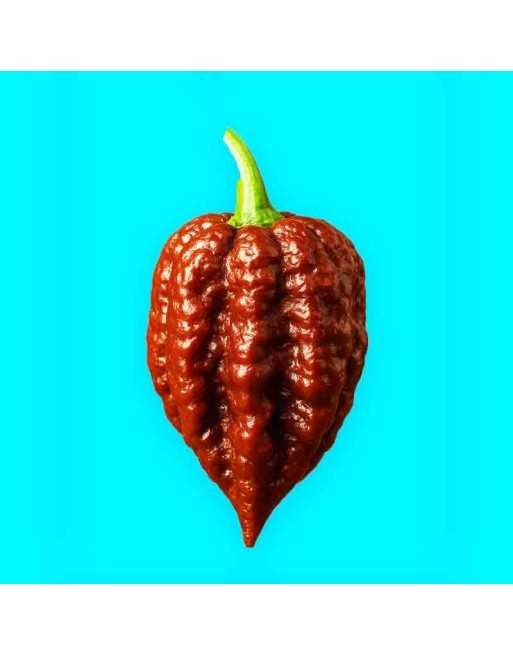
Jamaican Hot Chocolate - Has more flavor than chocolate habanero.
This cultivar comes from a pepper that was found at a market in Port Antonio, Jamaica. The wrinkled pods are very hot and have a strong smoky flavor. Chocolate habanero is a great tasting pepper, but many people say that Jamiacan Hot Chocolate has more flavor and tastes even better!
This beautiful pepper has great flavor and grows to about 2” around. The shiny skin of this Habanero-type pepper changes from green to red-brown and finally to chocolate brown at maturity. Capsicum chinense (100 days) Heirloom - Open-pollinated
Warning: Handling this pepper requires extreme caution. Wear hand, eye and breathing protection.
Heat Level: Extra Super Hot Scoville: 400,000
~ Packet contains 10 seeds.
In early spring, start seeds indoors 8 weeks prior to warm nightly temperatures. Place the seeds in sterile media and cover 1/4” deep. Provide 85°F bottom heat, bright light and keep moist at all times. Seeds will germinate in 7 - 21 days. Transplant seedlings into pots and grow until there are 6 true leaves on the plant. Plant them directly into rich soil, 30” apart. Harvest peppers when they are brown.
| Type | Peppers |
| Family | Nightshade Family |
| Temperature Soil | 65-80F |
| Temperature Daytime | 70-90F |
| Temperature Evening | 60+F |
| Lighting | Full Sun, 6-8 Hours/Day |
| Water | Heavy, 6 Gallons/Day |
| Maturity | Moderate, 65-85 Days Harvest |
| PH Neutral | 5.5-7.0 |
| Zones | 4A-11B |
| Plant Placement | 6 Plants, 3 Row |
![Habanero Pepper Mix: Chocolate, White, Green, Red, Orange, Yellow, Pepper Seeds - [ Shop Canadian Seeds Online ] - Pepper Seeds](https://www.seed2go.ca/8342-home_default/habanero-pepper-mix-chocolate-white-green-red-orange-yellow-pepper-seeds.jpg)
Plant seeds in the garden two weeks before the last frost. Transplants grown indoors will need eight to 10 weeks of growing time before planting out. In areas with less than 120 growing days, the peppers can be started earlier and grown inside until transplant time.
Choose a location with full sunlight for at least six hours per day, as habaneros LOVE the sun. Dig your hole twice the width of your pot and as deep as you can so that the soil level will be as close to the leaves as possible.
CHOCOLATE BEAUTY HABANERO
WHITE PEPPER HABANERO
ORANGE PEPPER HABANERO
RED PEPPER HABANERO
YELLOW PEPPER HABANERO
GREEN PEPPER HABANERO
![Habanada, Aji Dulce, Sweet Habanero Pepper Seeds - [ Shop Canadian Seeds Online ] - Pepper Seeds -](https://www.seed2go.ca/7628-home_default/habanada-aji-dulce-sweet-habanero-pepper-seeds.jpg)
A sweet habanero pepper with crisp, thin skin and an exotic, floral flavor. Enjoy the bright tropical sweetness of this pepper without even a hint of heat. The Habanada was developed by Michael Mazourek of Cornell University as the first heatless habanero and was released in 2015. The 3” orange pods grow on 24-36” tall plants that produce fruit all summer long. If you like the flavor of habaneros try adding a few of the Habanada peppers to your habanero hot sauce. The flavor will have more depth and be incredible without adding additional heat.
Growing Tip: The Habanada pepper seeds prefer to germinate in really warm temperatures. Start seeds indoors 8 weeks before the future transplant date and keep the heat mat thermostat at 85-90 degrees F. Sow the seeds 1/4” deep in seedling mix. Keep the soil moist, provide bright light above and bottom heat below. Germination can take 14-28 days.
| Type | Peppers |
| Family | Nightshade Family |
| Temperature Soil | 65-80F |
| Temperature Daytime | 70-90F |
| Temperature Evening | 60+F |
| Lighting | Full Sun, 6-8 Hours/Day |
| Water | Heavy, 6 Gallons/Day |
| Maturity | Moderate, 65-85 Days Harvest |
| PH Neutral | 5.5-7.0 |
| Zones | 4A-11B |
| Plant Placement | 6 Plants, 3 Row |
![Orange Lantern Habanero Pepper, Sweet, Fruity, Spicy Pepper Seeds - [ Shop Canadian Seeds Online ] - Pepper Seeds -](https://www.seed2go.ca/8048-home_default/orange-lantern-habanero-pepper-sweet-fruity-spicy-pepper-seeds.jpg)
Orange Lantern is a hot little chili that originated in South America.
The plants become relatively compact and produce masses of small very hot fruits, which look like small lanterns.
Plant in moist seed soil or peat briquettes and place warm. approx. 25-30 degrees for best germination The soil should be moist but not wet. Feel free to use mini-greenhouses to maintain a moist environment. When the plants have grown somewhat and have their second pair of leaves, you can advantageously lower the temperature to about 20 degrees and move them out of the mini-greenhouse. Thrives in a sunny window, or in a greenhouse and also outdoors in the summer. For best results, soak the seeds in Growhelper for 12-24 hours before sowing them
Fruity, Floral, Sweet and Spicy SHU 250000
| Type | Peppers |
| Family | Nightshade Family |
| Temperature Soil | 65-80F |
| Temperature Daytime | 70-90F |
| Temperature Evening | 60+F |
| Lighting | Full Sun, 6-8 Hours/Day |
| Water | Heavy, 6 Gallons/Day |
| Maturity | Moderate, 65-85 Days Harvest |
| PH Neutral | 5.5-7.0 |
| Zones | 4A-11B |
| Plant Placement | 6 Plants, 3 Row |
![Lemon Yellow Habanero Pepper Seeds - [ Shop Canadian Seeds Online ] - Pepper Seeds -](https://www.seed2go.ca/6667-home_default/lemon-yellow-habanero-pepper.jpg)
Yellow Habanero isn't for the faint hearted. It can be eaten fresh or raw, and creates beautiful golden-coloured sauces. The Yellow Habanero ripens from green to yellow. Its skin is thin and waxy with some wrinkling.
Fruity, Floral, Sweet and Spicy SHU 200000-300000
| Type | Peppers |
| Family | Nightshade Family |
| Temperature Soil | 65-80F |
| Temperature Daytime | 70-90F |
| Temperature Evening | 60+F |
| Lighting | Full Sun, 6-8 Hours/Day |
| Water | Heavy, 6 Gallons/Day |
| Maturity | Moderate, 65-85 Days Harvest |
| PH Neutral | 5.5-7.0 |
| Zones | 4A-11B |
| Plant Placement | 6 Plants, 3 Row |
![Mayan Red Habanero Pepper, Hot Pepper, Maya city of Uxmal, Pepper Seeds - [ Shop Canadian Seeds Online ] - Pepper Seeds -](https://www.seed2go.ca/7123-home_default/mayan-red-habanero-pepper-hot-pepper-maya-city-of-uxmal.jpg)
SHU: 150,000-300,000.
Used in salsa, hot sauce, spicy dishes.
Fruity and smokey sweet.
| Type | Peppers |
| Family | Nightshade Family |
| Temperature Soil | 65-80F |
| Temperature Daytime | 70-90F |
| Temperature Evening | 60+F |
| Lighting | Full Sun, 6-8 Hours/Day |
| Water | Heavy, 6 Gallons/Day |
| Maturity | Moderate, 65-85 Days Harvest |
| PH Neutral | 5.5-7.0 |
| Zones | 4A-11B |
| Plant Placement | 6 Plants, 3 Row |
![Habanero Mexican Orange, Hot Pepper Seeds, Yutican Mayan Pepper Seeds - [ Shop Canadian Seeds Online ] - Pepper Seeds -](https://www.seed2go.ca/8049-home_default/habanero-mexican-orange-hot-pepper-seeds-yutican-mayan-pepper-seeds.jpg)
A very good variety from Yucatan Mexico with very good flavor.
Excellent aroma and taste
Bright orange color.
C.Chinenese
SHU 100,000-300,000
Not-treated
| Type | Peppers |
| Family | Nightshade Family |
| Temperature Soil | 65-80F |
| Temperature Daytime | 70-90F |
| Temperature Evening | 60+F |
| Lighting | Full Sun, 6-8 Hours/Day |
| Water | Heavy, 6 Gallons/Day |
| Maturity | Moderate, 65-85 Days Harvest |
| PH Neutral | 5.5-7.0 |
| Zones | 4A-11B |
| Plant Placement | 6 Plants, 3 Row |

Fruity and strongly spicy flavor.
| Type | Peppers |
| Family | Nightshade Family |
| Temperature Soil | 65-80F |
| Temperature Daytime | 70-90F |
| Temperature Evening | 60+F |
| Lighting | Full Sun, 6-8 Hours/Day |
| Water | Heavy, 6 Gallons/Day |
| Maturity | Moderate, 65-85 Days Harvest |
| PH Neutral | 5.5-7.0 |
| Zones | 4A-11B |
| Plant Placement | 6 Plants, 3 Row |
![Red Habanero Caribbean Pepper, Smaller Habanero, Island Habanero, Pepper Seeds - [ Shop Canadian Seeds Online ] - Pepper Seeds](https://www.seed2go.ca/8050-home_default/red-habanero-caribbean-pepper-smaller-habanero.jpg)
Red Habanero -This hot habanero with its fruity flavor is a fine addition to make extra spicy salsas, marinades, and very hot sauces. It originates from the Yucatan Peninsula in Mexico and will grow well in northern climates. Easy to grow.
The red pods are 1-1/2" long and 1" wide and grow on 36" tall plants. It is so productive the plant may need support when loaded with fruit. Capsicum chinense (90 days) Heirloom - Open-pollinated
Heat Level: Extra Super Hot. Scoville Heat Units 400,000
30 Seeds
| Type | Peppers |
| Family | Nightshade Family |
| Temperature Soil | 65-80F |
| Temperature Daytime | 70-90F |
| Temperature Evening | 60+F |
| Lighting | Full Sun, 6-8 Hours/Day |
| Water | Heavy, 6 Gallons/Day |
| Maturity | Moderate, 65-85 Days Harvest |
| PH Neutral | 5.5-7.0 |
| Zones | 4A-11B |
| Plant Placement | 6 Plants, 3 Row |
![Aji Pineapple Pepper, Peru, Mild Pepper Pepper Seeds - [ Shop Canadian Seeds Online ] - Pepper Seeds -](https://www.seed2go.ca/7461-home_default/aji-pineapple-pepper-peru-mild-pepper.jpg)
The Aji Pineapple pepper is a variety of the Capsicum baccatum pepper that gets its name from its unique flavor and appearance:
The Aji Pineapple pepper has pendant-shaped pods that start green and mature to a sunny yellow or orange.
The Aji Pineapple pepper has a tropical taste with a balance of spiciness and sweetness, similar to fresh pineapple. It's more tart, citrusy, and floral than other baccatum peppers.
The Aji Pineapple pepper has a moderate heat level, typically 30,000 to 50,000 Scoville Heat Units.
The Aji Pineapple pepper is a rare and exotic variety that originated in Peru.
The Aji Pineapple pepper can be used in salsas, sauces, marinades, hot sauces, tom kha gai, aioli, egg salad, and white chili.
The Aji Pineapple pepper is easy to cultivate and thrives in cooler climates. It's a high producing variety that can produce several dozen peppers per plant.
| Type | Peppers |
| Family | Nightshade Family |
| Temperature Soil | 65-80F |
| Temperature Daytime | 70-90F |
| Temperature Evening | 60+F |
| Lighting | Full Sun, 6-8 Hours/Day |
| Water | Heavy, 6 Gallons/Day |
| Maturity | Moderate, 65-85 Days Harvest |
| PH Neutral | 5.5-7.0 |
| Zones | 4A-11B |
| Plant Placement | 6 Plants, 3 Row |
![Fruity Vulcano Paprika Chili Habanero, Hot Pepper Seeds - [ Shop Canadian Seeds Online ] - Pepper Seeds -](https://www.seed2go.ca/8121-home_default/fruity-volcano-paprika-chili-habanero-hot-pepper.jpg)
Capsicum chinense
Aromatic and hot. Pepper is 70 mm in length and wrinkled like a volcano.
Ripens from green through to red.
Grow in containers.
Heat level: very hot (approx. 150,000-200,000 SHU)
Can be eaten fresh or dried.
| Type | Peppers |
| Family | Nightshade Family |
| Temperature Soil | 65-80F |
| Temperature Daytime | 70-90F |
| Temperature Evening | 60+F |
| Lighting | Full Sun, 6-8 Hours/Day |
| Water | Heavy, 6 Gallons/Day |
| Maturity | Moderate, 65-85 Days Harvest |
| PH Neutral | 5.5-7.0 |
| Zones | 4A-11B |
| Plant Placement | 6 Plants, 3 Row |
![Habanero White Peruvian Lightning Pepper Seeds - [ Shop Canadian Seeds Online ] - Pepper Seeds -](https://www.seed2go.ca/7642-home_default/habanero-white-peruvian-lightning-pepper-seeds.jpg)
Habanero Peruvian White Lightning - A very rare habanero with creamy white lantern shaped pods. This pepper grows quickly and produces fruit in great numbers. One plant can produce hundreds of tiny fruits. Great for making white hot sauce!
The white pods measure 1-1/2" long and 3/4" wide and grow on 24" bushy plants. Capsicum chinense (90 days)
Heat Level: Extra Hot. Scoville Heat Units 400,000
~ Packet contains 10 seeds.
| Type | Peppers |
| Family | Nightshade Family |
| Temperature Soil | 65-80F |
| Temperature Daytime | 70-90F |
| Temperature Evening | 60+F |
| Lighting | Full Sun, 6-8 Hours/Day |
| Water | Heavy, 6 Gallons/Day |
| Maturity | Moderate, 65-85 Days Harvest |
| PH Neutral | 5.5-7.0 |
| Zones | 4A-11B |
| Plant Placement | 6 Plants, 3 Row |
![Trinidad Perfume Pepper, Sweet Habanero Pepper, Caribbean Pepper Seeds - [ Shop Canadian Seeds Online ] - Pepper Seeds -](https://www.seed2go.ca/8120-home_default/trinidad-perfume-pepper-sweet-habanero-pepper-caribbean-pepper-seeds.jpg)
Trinidad Perfume peppers are a sweet, flavorful, and aromatic pepper that are similar to habanero peppers but with little to no heat:
Trinidad Perfume peppers are glossy yellow and lantern-shaped, and can grow up to 2 inches long. They mature from green to a golden-orange color.
Trinidad Perfume peppers have a smoky, citrus flavor with notes of apricot and melon. They are a good source of vitamin C and beta carotene.
Trinidad Perfume peppers can be eaten raw in salads, cooked in sauces, stuffed, or roasted. They can also be used to make salsa or pepper powder.
| Type | Peppers |
| Family | Nightshade Family |
| Temperature Soil | 65-80F |
| Temperature Daytime | 70-90F |
| Temperature Evening | 60+F |
| Lighting | Full Sun, 6-8 Hours/Day |
| Water | Heavy, 6 Gallons/Day |
| Maturity | Moderate, 65-85 Days Harvest |
| PH Neutral | 5.5-7.0 |
| Zones | 4A-11B |
| Plant Placement | 6 Plants, 3 Row |
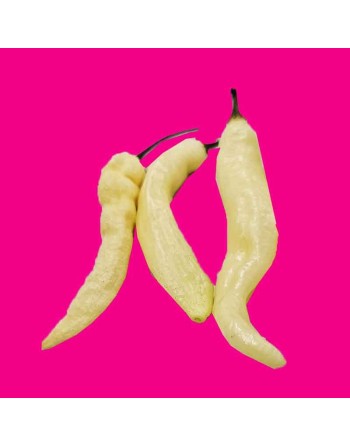
The Blondie chili pepper is a variety of the Capsicum baccatum plant that is known for its light heat and fruity flavor. The peppers are small to medium-sized, with a conical shape and a pale white color.
Heat level
Blondie chilies have a mild to moderate heat level, with a Scoville rating of 30,000–50,000 SHU
Flavor
Blondie chilies have a fruity, citrus-like flavor with a sweet, tangy, and spicy taste
Appearance
Blondie chilies are small to medium-sized, with a conical shape and a pale yellow to light orange color
Uses
Blondie chilies can be used fresh, dried, or powdered in salsas, sauces, pickling, and salads
| Type | Peppers |
| Family | Nightshade Family |
| Temperature Soil | 65-80F |
| Temperature Daytime | 70-90F |
| Temperature Evening | 60+F |
| Lighting | Full Sun, 6-8 Hours/Day |
| Water | Heavy, 6 Gallons/Day |
| Maturity | Moderate, 65-85 Days Harvest |
| PH Neutral | 5.5-7.0 |
| Zones | 4A-11B |
| Plant Placement | 6 Plants, 3 Row |
The Aji Guyana pepper is a rare, medium-heat chili pepper from Guyana, known for its fruity, lemony flavor and prolific yields. It's a Capsicum baccatum variety, with a Scoville heat unit (SHU) rating of 5,000 to 15,000.
Here's a more detailed look at the Aji Guyana pepper:
Origin: Guyana, a country in South America.
Heat Level: Medium heat, with a Scoville heat unit (SHU) rating of 5,000 to 15,000.
Flavor Profile: Fruity, lemony, and aromatic.
Appearance: Peppers are 5 to 6 inches long and almost an inch wide, and ripen to a bright yellow.
Growth: The plants are known for their quick growth and high yields, so they often require staking or support.
Culinary Uses: Versatile ingredient in South American and Caribbean cuisine, used in pepper sauces, chutneys, marinades, and more.
Other names: Also known as Guyana or Little Bird of Guyana~ Packet contains 10 seeds.
| Type | Peppers |
| Family | Nightshade Family |
| Temperature Soil | 65-80F |
| Temperature Daytime | 70-90F |
| Temperature Evening | 60+F |
| Lighting | Full Sun, 6-8 Hours/Day |
| Water | Heavy, 6 Gallons/Day |
| Maturity | Moderate, 65-85 Days Harvest |
| PH Neutral | 5.5-7.0 |
| Zones | 4A-11B |
| Plant Placement | 6 Plants, 3 Row |