






*Existing Repeat Customers Discounted Too!


We recommend customers to place orders via this economical courier service as Postal Mail is experiencing delays due to their changeover to community mailboxes. Thanks for listening.

Reference: BT5-VG-BMM

| Type | Peppers |
| Family | Nightshade Family |
| Temperature Soil | 65-80F |
| Temperature Daytime | 70-90F |
| Temperature Evening | 60+F |
| Lighting | Full Sun, 6-8 Hours/Day |
| Water | Heavy, 6 Gallons/Day |
| Maturity | Moderate, 65-85 Days Harvest |
| PH Neutral | 5.5-7.0 |
| Zones | 4A-11B |
| Plant Placement | 6 Plants, 3 Row |
The many varieties of sweet and hot peppers thrive on full sun and warm weather. Cold temperatures can weaken pepper plants and they may never fully recover, so don’t rush to plant in the spring. Be certain to use the black side of the mulch covers to speed soil warming and early growth, but be careful, as they can also overheat the plants in certain climates. Peppers can be temperamental if temperatures are too hot or too cool. Nighttime temperatures below 60°F or above 75°F can reduce fruit set. Peppers need a steady supply of water for their best performance, so be sure to check water levels each day. Like tomatoes, you may find blossom end rot on your peppers, which can be easily corrected. Peppers are prone to sun scald, so moving them to partial shade can help if temperatures become too hot. Sweet peppers can be cut up and eaten raw, roasted and marinated, sauteed; or used in stews, soups, and stir fry. Hot peppers can be pickled, added to stew, used in stir fry, and are excellent when dried and ground to be used as a seasoning to give nearly any dish a little kick.
COMMON PESTS: Aphids, Flea Beetles
SUSCEPTIBLE TO: Mosaic Virus, Blossom End Rot, Sun Scald
![Tombstone Ghost Pepper, Bhut Jolokia, Indian Favorite, Pepper Seeds - [ Shop Canadian Seeds Online ] - Pepper Seeds -](https://www.seed2go.ca/7140-home_default/tombstone-ghost-pepper-bhut-jolokia-indian.jpg)
Tombstone Ghost Pepper
So bad you’ll wish you were in Boothill! The heat is far more than you would expect. It keeps creeping up on you until shivers go down your spine and your face goes numb. Not even whiskey will save you! It has been said that when people survive the heat of this Outlaw Pepper they become Tombstone Legends!
Pods are 3” long and 1” wide with red dented skin. The 30” tall plants will produce fruit all season. The flavor is fruity up front then spooky hot. This is not for scaredy cats! Capsicum chinense/C.frutescens (100 days)
Warning: Handling this pepper requires extreme caution. Wear hand, eye and breathing protection.
Heat Level: Extreme, Severe and Intense. Scoville Heat Units 1,000,000
~ Packet contains 10 seeds.
| Type | Peppers |
| Family | Nightshade Family |
| Temperature Soil | 65-80F |
| Temperature Daytime | 70-90F |
| Temperature Evening | 60+F |
| Lighting | Full Sun, 6-8 Hours/Day |
| Water | Heavy, 6 Gallons/Day |
| Maturity | Moderate, 65-85 Days Harvest |
| PH Neutral | 5.5-7.0 |
| Zones | 4A-11B |
| Plant Placement | 6 Plants, 3 Row |
![Garden Bag™, Black, Ghost Pepper - [ Shop Canadian Seeds Online ] - Pepper Seeds -](https://www.seed2go.ca/4253-home_default/seed2go-garden-bag-grow-everywhere-series-black-ghost-pepper.jpg)
Ghost Pepper: Chefs use the hot peppers in dishes ranging from salsa and pizza to chicken wings. Even fast food chain Wendy's added Ghost Pepper Fries and a spicy chicken sandwich made with the oh-so-hot pepper to its menu.
DO NOT TOUCH YOUR EYES
The Everywhere™ Gardening Bag allows you to gift yourself, and anyone, anywhere in Canada. It comes equipped with everything you need to grow successfully indoors including Canadian Grade seed (non-GMO, non-treated for organic gardening), a watering guide checklist, several internal components to make yields richly successful. We also include free giveaways like a ‘loot bag’ inside each product. The bag is designed to have excellent yields, to hold and capture sunlight, and support plants like cherry tomatoes. Our product has high-quality imagery to capture the onlooker’s attention and compliment the interior of your home.
Great resource for schools, children, businesses, homes, offices, apartments, condo’s and more!
Would you like us to add your own message to add to the kit? Please add and save your customization form below to apply.

Chocolate Bhut Jolokia Seeds - Just as evil as Red Bhut Jolokia Ghost Pepper, but sweeter and more delicious! 1,000,000 Scoville Heat Units
This ghost chile is a natural variant of the Bhut Jolokia. The 3” long and 1” wide pods turn from green to chocolate brown at full maturity and have rough dented skin. It is extraordinarily hot and doesn't taste anything like chocolate candy.
Capsicum chinense (110 days)
Want to grow more Ghosts? Check out all of our other Ghost Pepper Seeds – we have a great selection of different colors and flavors of Bhut Jolokias including Red, Yellow, Purple, White and Peach.
Warning: Handling this pepper requires extreme caution. Wear hand, eye and breathing protection. Heat Level: Extreme, Severe and Intense. Scoville Heat Units 1,000,000
~ Packet contains 5 seeds.
| Type | Peppers |
| Family | Nightshade Family |
| Temperature Soil | 65-80F |
| Temperature Daytime | 70-90F |
| Temperature Evening | 60+F |
| Lighting | Full Sun, 6-8 Hours/Day |
| Water | Heavy, 6 Gallons/Day |
| Maturity | Moderate, 65-85 Days Harvest |
| PH Neutral | 5.5-7.0 |
| Zones | 4A-11B |
| Plant Placement | 6 Plants, 3 Row |

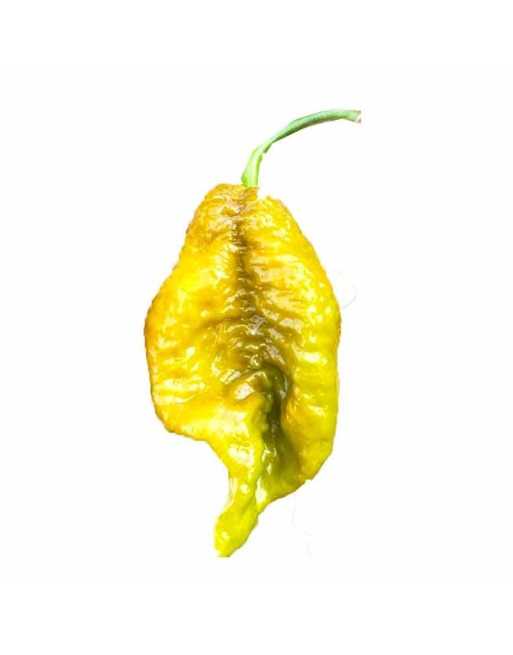
Extremely hot ghost pepper
se caution in handling and consumption as they are one of the hottest peppers known to man. Warning: Handling this pepper requires extreme caution. Wear hand, eye and breathing protection.
Heat Level: Extreme, Severe and Intense. Scoville Heat Units 1,000,000
~ Packet contains at least 10 seeds.
| Type | Peppers |
| Family | Nightshade Family |
| Temperature Soil | 65-80F |
| Temperature Daytime | 70-90F |
| Temperature Evening | 60+F |
| Lighting | Full Sun, 6-8 Hours/Day |
| Water | Heavy, 6 Gallons/Day |
| Maturity | Moderate, 65-85 Days Harvest |
| PH Neutral | 5.5-7.0 |
| Zones | 4A-11B |
| Plant Placement | 6 Plants, 3 Row |
![White Ghost Pepper, Bhut Jolokia Pepper, Bhut Jolokia, Indian Favorite, Pepper Seeds - [ Shop Canadian Seeds Online ] - Pepper](https://www.seed2go.ca/8123-home_default/white-ghost-pepper-bhut-jolokia-pepper-bhut-jolokia-indian-favorite.jpg)
White Bhut Jolokia is a cool color and very unique. This pepper, like all Bhut jolokia, has heat that builds and builds in your mouth. The White Bhut jolokia is also known as White Ghost Pepper and it is very popular for making a white hot sauce.
Bright white color with smooth skin. Fruit is 2-1/2” long and 1” wide and matures from light green to white. The flavor is sweeter and more citrus-like than the red variety. Plant grows to 3’ tall and are extremely productive.
Warning: Handling this pepper requires extreme caution. Wear hand, eye and breathing protection.
Capsicum chinense (120 days) Open Pollinated
Heat Level: Intense Scoville: 1,000,000
| Type | Peppers |
| Family | Nightshade Family |
| Temperature Soil | 65-80F |
| Temperature Daytime | 70-90F |
| Temperature Evening | 60+F |
| Lighting | Full Sun, 6-8 Hours/Day |
| Water | Heavy, 6 Gallons/Day |
| Maturity | Moderate, 65-85 Days Harvest |
| PH Neutral | 5.5-7.0 |
| Zones | 4A-11B |
| Plant Placement | 6 Plants, 3 Row |

300,000 SHU
| Type | Peppers |
| Family | Nightshade Family |
| Temperature Soil | 65-80F |
| Temperature Daytime | 70-90F |
| Temperature Evening | 60+F |
| Lighting | Full Sun, 6-8 Hours/Day |
| Water | Heavy, 6 Gallons/Day |
| Maturity | Moderate, 65-85 Days Harvest |
| PH Neutral | 5.5-7.0 |
| Zones | 4A-11B |
| Plant Placement | 6 Plants, 3 Row |
![Black Panther Ghost Pepper, Neyde Pepper of Brazil, Pepper Seeds - [ Shop Canadian Seeds Online ] - Pepper Seeds -](https://www.seed2go.ca/8301-home_default/black-panther-ghost-pepper-neyde-pepper-of-brazil.jpg)
Length: 2-3″
Scoville (heat): 1,300,000+ SHUs
Color: Black to red, orange
Species: C. chinense
Seed to Harvest: 180+ days
Fruity flavor and a beautiful scent.
The Black Panther pepper is a superhot hybrid created by crossing the Bhut Jolokia (Ghost Pepper) with Pimenta de Neyde, prized for its dramatic appearance and extreme heat. The plant features striking dark purple to nearly black foliage and pods that mature from deep purple to vibrant orange with occasional streaking. Delivering an intense heat typically ranging from 1,000,000 to 1,200,000 Scoville Heat Units, it rivals the Ghost Pepper while offering a complex fruity and floral flavor reminiscent of its parent varieties. The thin-walled pods are ideal for drying, powdering, or crafting distinctive, high-heat hot sauces. While germination can be challenging, the plant rewards growers with both exceptional beauty and formidable heat, making it a favorite among chili enthusiasts and extreme heat lovers.
| Type | Peppers |
| Family | Nightshade Family |
| Temperature Soil | 65-80F |
| Temperature Daytime | 70-90F |
| Temperature Evening | 60+F |
| Lighting | Full Sun, 6-8 Hours/Day |
| Water | Heavy, 6 Gallons/Day |
| Maturity | Moderate, 65-85 Days Harvest |
| PH Neutral | 5.5-7.0 |
| Zones | 4A-11B |
| Plant Placement | 6 Plants, 3 Row |

| Type | Peppers |
| Family | Nightshade Family |
| Temperature Soil | 65-80F |
| Temperature Daytime | 70-90F |
| Temperature Evening | 60+F |
| Lighting | Full Sun, 6-8 Hours/Day |
| Water | Heavy, 6 Gallons/Day |
| Maturity | Moderate, 65-85 Days Harvest |
| PH Neutral | 5.5-7.0 |
| Zones | 4A-11B |
| Plant Placement | 6 Plants, 3 Row |
![Big Red Mama, Naga Morich / Douglah Cross, Cousin of Ghost Pepper Seeds - [ Shop Canadian Seeds Online ] - Pepper Seeds -](https://www.seed2go.ca/7680-home_default/big-red-mama-naga-morich-douglah-cross.jpg)
| Type | Peppers |
| Family | Nightshade Family |
| Temperature Soil | 65-80F |
| Temperature Daytime | 70-90F |
| Temperature Evening | 60+F |
| Lighting | Full Sun, 6-8 Hours/Day |
| Water | Heavy, 6 Gallons/Day |
| Maturity | Moderate, 65-85 Days Harvest |
| PH Neutral | 5.5-7.0 |
| Zones | 4A-11B |
| Plant Placement | 6 Plants, 3 Row |
![Yaki Fawn Blue Pepper, Filius Blue & Bhut Jolokia Pepper, Super Hot Ghost Pepper Seeds - [ Shop Canadian Seeds Online ] - Pepp](https://www.seed2go.ca/7229-home_default/yaki-fawn-blue-pepper-filius-blue-bhut-jolokia-pepper-super-hot-ghost.jpg)
Capsicum Chinense with 1,300,000 SHU scoville heats
This is a high production pepper with growth up to 5 ft tall.
Citrusy flavor, with insane heat. Fruity. Earthly Pepper.
Whatever its history, the variety bears highly desirable fruits, with intense heat and an interesting citrus-like flavor.
Starts off as purple then turns into a matrix of colors and finishes as orange/red ripe.
| Type | Peppers |
| Family | Nightshade Family |
| Temperature Soil | 65-80F |
| Temperature Daytime | 70-90F |
| Temperature Evening | 60+F |
| Lighting | Full Sun, 6-8 Hours/Day |
| Water | Heavy, 6 Gallons/Day |
| Maturity | Moderate, 65-85 Days Harvest |
| PH Neutral | 5.5-7.0 |
| Zones | 4A-11B |
| Plant Placement | 6 Plants, 3 Row |
![Jay's Ghost Scorpion, Chocolate Pepper, Super Hot, Pepper Seeds - [ Shop Canadian Seeds Online ] - Pepper Seeds -](https://www.seed2go.ca/8122-home_default/jay-s-ghost-scorpion-chocolate-pepper-super-hot.jpg)
800,000 to 1 Mil SHU Heat.
Super hot heat with fruit flavor similar to Trinidad Scorpion.
A favorite among culinary enthusiast.
Jay's Chocolate Ghost Scorpion pepper is a superhot hybrid (Jay's Peach Ghost Scorpion x Chocolate Ghost) known for its rich, smoky, fruity flavor and brutal heat (800k-1.1M SHU), producing bumpy, often scorpion-tailed, dark brown pods that offer an intense, lingering burn, perfect for hot sauces and powders, making it a legendary challenge for pepper enthusiasts.
Origin: A cross between Jay's Peach Ghost Scorpion and Chocolate Ghost pepper.
Heat Level: Extremely hot, ranging from 800,000 to over 1,000,000 Scoville Heat Units (SHU).
Flavor Profile: Starts fruity and slightly smoky, followed by a deep, intense heat that builds slowly.
Appearance: Pods ripen from green to a dark, chocolate-brown color, often bumpy with scorpion-like tails, similar to a Ghost pepper but smoother.
Uses: Ideal for creating fiery hot sauces, powders, marinades, and BBQ sauces for those who love extreme spice.
Plant: Prolific, with plants growing to about 30-40 inches tall, producing fruit throughout the season.
| Type | Peppers |
| Family | Nightshade Family |
| Temperature Soil | 65-80F |
| Temperature Daytime | 70-90F |
| Temperature Evening | 60+F |
| Lighting | Full Sun, 6-8 Hours/Day |
| Water | Heavy, 6 Gallons/Day |
| Maturity | Moderate, 65-85 Days Harvest |
| PH Neutral | 5.5-7.0 |
| Zones | 4A-11B |
| Plant Placement | 6 Plants, 3 Row |
![Devils Tongue, Super Hot Pepper, North American, Cousin Ghost Pepper/Fatallii, Pepper Seeds - [ Shop Canadian Seeds Online ] -](https://www.seed2go.ca/8646-home_default/devils-tongue-super-hot-pepper-north-american-cousin-ghost-pepperfatallii.jpg)
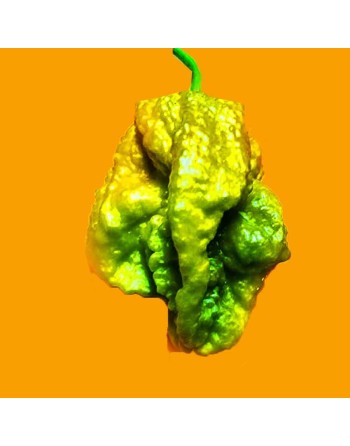
The fruit is long and wrinkled, and ripens from green to a vibrant color like red, yellow, or chocolate. The fruit is similar in shape to the Fatalii pepper, but with smoother skin.
The Devil's Tongue pepper has a sweet and lemony flavor with a slightly tangy undertone.
The Devil's Tongue pepper is extremely hot, with a Scoville Heat Unit (SHU) rating of 125,000 to 325,000.
The Devil's Tongue pepper is a popular choice for spicy salsas, hot sauces, and pickling.
The Devil's Tongue pepper was discovered in the 1990s growing in the garden of an Amish farmer in Pennsylvania. Its exact origins and parentage are unknown.
![7 Pot Cinder Super Hot Pepper Seeds, Big Black Mama and Madballz, Cousin of Ghost Pepper - [ Shop Canadian Seeds Online ] - Pep](https://www.seed2go.ca/7686-home_default/7-pot-cinder-super-hot-pepper-seeds-big-black-mama-and-madballz-cousin-of-ghost-pepper.jpg)
| Type | Peppers |
| Family | Nightshade Family |
| Temperature Soil | 65-80F |
| Temperature Daytime | 70-90F |
| Temperature Evening | 60+F |
| Lighting | Full Sun, 6-8 Hours/Day |
| Water | Heavy, 6 Gallons/Day |
| Maturity | Moderate, 65-85 Days Harvest |
| PH Neutral | 5.5-7.0 |
| Zones | 4A-11B |
| Plant Placement | 6 Plants, 3 Row |
![Hallows Eve, Super Hot Pepper Seeds, Cousin of Ghost Pepper, Bhut Jolokia and Pimenta De Neyde - [ Shop Canadian Seeds Online ]](https://www.seed2go.ca/7698-home_default/hallows-eve-super-hot-pepper-seeds-cousin-of-ghost-pepper-bhut-jolokia-and-pimenta-de-neyde.jpg)
| Type | Peppers |
| Family | Nightshade Family |
| Temperature Soil | 65-80F |
| Temperature Daytime | 70-90F |
| Temperature Evening | 60+F |
| Lighting | Full Sun, 6-8 Hours/Day |
| Water | Heavy, 6 Gallons/Day |
| Maturity | Moderate, 65-85 Days Harvest |
| PH Neutral | 5.5-7.0 |
| Zones | 4A-11B |
| Plant Placement | 6 Plants, 3 Row |
| Type | Peppers |
| Family | Nightshade Family |
| Temperature Soil | 65-80F |
| Temperature Daytime | 70-90F |
| Temperature Evening | 60+F |
| Lighting | Full Sun, 6-8 Hours/Day |
| Water | Heavy, 6 Gallons/Day |
| Maturity | Moderate, 65-85 Days Harvest |
| PH Neutral | 5.5-7.0 |
| Zones | 4A-11B |
| Plant Placement | 6 Plants, 3 Row |