






- On sale!



![Jalapeño M Pepper, Improved, Veracruz, Mexico, Pepper Seeds - [ Seed2Go.ca ] - [Seed Packets] - Pepper Seeds](https://www.seed2go.ca/5354-home_default/jalapeno-m-pepper-improved-veracruz-mexico.jpg "Jalapeño M Pepper, Improved, Veracruz, Mexico, Pepper Seeds - [ Seed2Go.ca ] - [Seed Packets] - Pepper Seeds")
![Jalapeño M Pepper, Improved, Veracruz, Mexico, Pepper Seeds - [ Seed2Go.ca ] - [Seed Packets] - Pepper Seeds](https://www.seed2go.ca/5353-home_default/jalapeno-m-pepper-improved-veracruz-mexico.jpg "Jalapeño M Pepper, Improved, Veracruz, Mexico, Pepper Seeds - [ Seed2Go.ca ] - [Seed Packets] - Pepper Seeds")
Reference: SD4-V-JMP

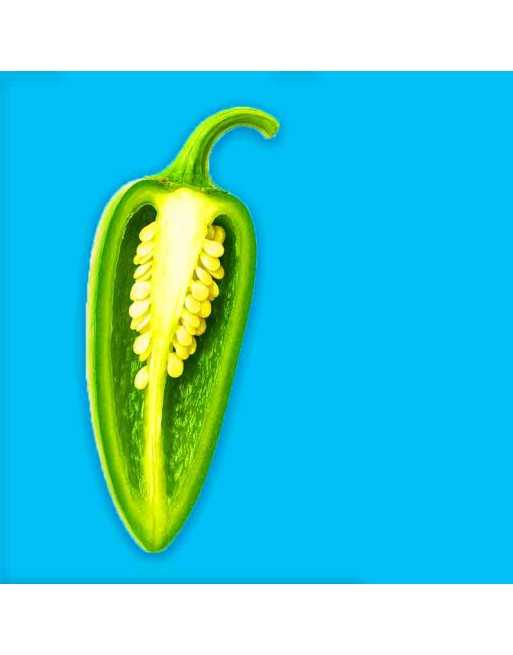
The thick-walled dark green fruits average 3-1/2” long by 1-1/2“ wide and are very pungent. This variety is slow to turn red and grow on plants from 24” to 36“ tall. Jalapeño M peppers are found in rings atop nachos and chopped into Mexican sauces. They can be used fresh or pickled. Capsicum annuum (73 days) Organic - Heirloom - Open Pollinated - Non-GMO
Heat Level: X Hot Scoville: 12,000
~ Packet contains 10 seeds.
In early spring, start seeds indoors 8 weeks prior to warm nightly temperatures. Place the seeds in sterile media and cover 1/4” deep. Provide 85°F bottom heat, bright light and keep moist at all times. Seeds will germinate in 7 - 21 days. Transplant seedlings into pots and grow until there are 6 true leaves on the plant. Plant them directly into rich soil, 30” apart or into large 5-gallon containers. Harvest peppers when they are full size and glossy dark green.
The many varieties of sweet and hot peppers thrive on full sun and warm weather. Cold temperatures can weaken pepper plants and they may never fully recover, so don’t rush to plant in the spring. Be certain to use the black side of the mulch covers to speed soil warming and early growth, but be careful, as they can also overheat the plants in certain climates. Peppers can be temperamental if temperatures are too hot or too cool. Nighttime temperatures below 60°F or above 75°F can reduce fruit set. Peppers need a steady supply of water for their best performance, so be sure to check water levels each day. Like tomatoes, you may find blossom end rot on your peppers, which can be easily corrected. Peppers are prone to sun scald, so moving them to partial shade can help if temperatures become too hot. Sweet peppers can be cut up and eaten raw, roasted and marinated, sautéed; or used in stews, soups, and stir fry. Hot peppers can be pickled, added to stew, used in stir fry, and are excellent when dried and ground to be used as a seasoning to give nearly any dish a little kick.
COMMON PESTS: Aphids, Flea Beetles
SUSCEPTIBLE TO: Mosaic Virus, Blossom End Rot, Sun Scald
![Green Jalapeño Hot Pepper Seeds, Green Chili - [ Shop Canadian Seeds Online ] - Pepper Seeds -](https://www.seed2go.ca/8505-home_default/green-jalapeno-hot-pepper-seeds-green-chili.jpg)
Jalapeno: Hot pepper grows 3 to 5in long. Fruit is long with a thick skin and is green in colour. It's ideal for stuffing, pickling or adding to your salsa recipe.
A green jalapeño has a fresh, grassy, and crisp taste whereas a red jalapeño has a bit more sweetness to it. This can make a difference in recipes. Some prefer red jalapeños in hot sauces.
| Type | Peppers |
| Family | Nightshade Family |
| Temperature Soil | 65-80F |
| Temperature Daytime | 70-90F |
| Temperature Evening | 60+F |
| Lighting | Full Sun, 6-8 Hours/Day |
| Water | Heavy, 6 Gallons/Day |
| Maturity | Moderate, 65-85 Days Harvest |
| PH Neutral | 5.5-7.0 |
| Zones | 4A-11B |
| Plant Placement | 6 Plants, 3 Row |
![Jalapeño Traveler Pepper, High Yielding, Green Chili, Pepper Seeds - [ Shop Canadian Seeds Online ] - Pepper Seeds -](https://www.seed2go.ca/8252-home_default/jalapeno-traveler-pepper-high-yielding-green-chili.jpg)
Jalapeno Traveler
he sturdy and vigorous 3’ tall plants produce a continuous crop all season. The fruits are conical 3-1/2- 4” long with thick bright green flesh and grow well at both high and low elevations. A great, reliable variety that produces large peppers with consistent medium heat.
They taste best when allowed to fully ripen to red but are great green as well. Chop up and add to salsas or eat one alongside your sandwich. Capsicum annuum (80 days)
Heat Level: Medium to Hot. Scoville 2,500 - 8,000 Organic, open-pollinated, heirloom.
| Type | Peppers |
| Family | Nightshade Family |
| Temperature Soil | 65-80F |
| Temperature Daytime | 70-90F |
| Temperature Evening | 60+F |
| Lighting | Full Sun, 6-8 Hours/Day |
| Water | Heavy, 6 Gallons/Day |
| Maturity | Moderate, 65-85 Days Harvest |
| PH Neutral | 5.5-7.0 |
| Zones | 4A-11B |
| Plant Placement | 6 Plants, 3 Row |
![Yellow Jalapeño, Lemon Spice Yellow Pepper Seeds - [ Shop Canadian Seeds Online ] - Pepper Seeds -](https://www.seed2go.ca/8504-home_default/yellow-jalapeno-lemon-spicefirst-yellow-pepper.jpg)
Most significant, perhaps, is the fact that it is disease resistant to 6 types of viruses that often affect peppers.
Plants produce big yields of colorful yellow jalapeño peppers that are 2” long with juicy thick walls. The medium-hot fruits are milder than a regular jalapeño. The shorter 24” plants make this a good container variety. TMV resistant.
Capsicum annuum (65 days) Heirloom, Open-pollinated
Heat Level: Medium Scoville: 5,000
~ Packet contains 5 seeds.
![Red Raam Jalapeño, Organic, Red/Orange Jalapeño, Organic Pepper Seeds - [ Shop Canadian Seeds Online ] - Pepper Seeds -](https://www.seed2go.ca/8030-home_default/red-raam-jalapeno-organic.jpg)
Heat (Pungency):
Moderate (1,000 to 5,000 Scoville Units)
Fruit Shape:
Tapered
Fruit Size:
Small (under 2" in length)
Medium (4" to 6" in length)
Fruit Color:
Green changing to red
Seed Type:
Open-pollinated
Usage:
Fresh (salsa, salads)
Frying
Roasting
Pickling
| Type | Peppers |
| Family | Nightshade Family |
| Temperature Soil | 65-80F |
| Temperature Daytime | 70-90F |
| Temperature Evening | 60+F |
| Lighting | Full Sun, 6-8 Hours/Day |
| Water | Heavy, 6 Gallons/Day |
| Maturity | Moderate, 65-85 Days Harvest |
| PH Neutral | 5.5-7.0 |
| Zones | 4A-11B |
| Plant Placement | 6 Plants, 3 Row |
![Goliath Compadre Jalapeño, Mucho Nacho, Hot Pepper, 3", Cold Tolerant Pepper Seeds - [ Shop Canadian Seeds Online ] - Pepper S](https://www.seed2go.ca/8253-home_default/goliath-compadre-jalapeno-mucho-nacho-hot-pepper-3-cold-tolerant-pepper-seeds.jpg)
Compadre F1 Hybrid Hot Pepper Seeds(F1) Plant produces high yields of large Jalapeno peppers. Peppers are hot, have thick flesh, and turn from shiny green to red when mature. Plant has green stems, green leaves, and white flowers. Does well in alkaline soils. Heat and cold tolerant as well in stressful weather. Excellent choice for home gardens, market growers, and open field production. Disease Resistant: PVY, TMV. Scoville Heat Units: 30,000. Water regularly, but do not over-water.
These are VERY easy to grow and will not disappoint.
Size
Uniform fruits of dark green color, smooth and shiny surface.
Low susceptibility to cracking, sunburn and fruit rot.
| Type | Peppers |
| Family | Nightshade Family |
| Temperature Soil | 65-80F |
| Temperature Daytime | 70-90F |
| Temperature Evening | 60+F |
| Lighting | Full Sun, 6-8 Hours/Day |
| Water | Heavy, 6 Gallons/Day |
| Maturity | Moderate, 65-85 Days Harvest |
| PH Neutral | 5.5-7.0 |
| Zones | 4A-11B |
| Plant Placement | 6 Plants, 3 Row |

Anaheim, Poblano, Santa Fe, Cayenne, Jalepeno, Serrano, Tabasco Pepper Seeds
Mild to Hot Pepper Mix is a versatile blend of flavorful peppers ranging from gentle heat to fiery spice. This mix includes Anaheim, Poblano, Santa Fe, Jalapeño, Serrano, Cayenne, and Tabasco peppers, offering varied shapes, colors, and heat levels—perfect for fresh eating, grilling, sauces, salsas, and drying. Ideal for gardeners who enjoy a wide range of heat and culinary uses.
![Sriracha Spicy Red Pepper, Red Hot Chili Pepper Seeds, Hot Sauce, Hybrid Jalapeño, Thailand - [ Seed2Go.ca ] - [Seed Packets] -](https://www.seed2go.ca/7603-home_default/sriracha-spicy-red-pepper-red-hot-chili-pepper-seeds-hot-sauce-hybrid-jalapeno-thailand.jpg)
Sriracha peppers are a hybrid jalapeño pepper that are large, dark green, and turn red when ripe. They are mildly hot, with a Scoville rating of around 2,300–2,500, and are used to make the popular condiment sriracha.
Fruit: Large, uniform, dark green fruit that turns red
Skin: Smooth
Scoville rating: 2,300–2,500
Growth: Indeterminate
Days to harvest: 80–95
Spacing: 18–24 in (46–61 cm)
Height: 18–22 in (46–56 cm)
Here are some tips for growing Sriracha peppers:
Plant in full sun
Ideal temperatures are 70–80°F during the day and 60–70°F at night
Water deeply but not too often, about 1–2 times a week
Wait to harvest until the fruit reaches full maturity to reduce yield
Frequent picking will increase yield but will sacrifice flavor
Use pruning shears or a knife to cut the fruit from the branch
Sriracha peppers can be used for roasting, pickling, or slicing.
![TAM Jalapeño, Low-Mild Hot Pepper, Texas Origin Pepper Seeds - [ Shop Canadian Seeds Online ] - Pepper Seeds -](https://www.seed2go.ca/8503-home_default/tam-jalapeno-low-mild-hot-pepper-texas-origin.jpg)
1000-1500 SHU as opposed to 3000-5000 SHU for regular Jalapenos.
Dark green in color, 3" length, maturing to red color.
Plants grow 30" tall.
| Type | Peppers |
| Family | Nightshade Family |
| Temperature Soil | 65-80F |
| Temperature Daytime | 70-90F |
| Temperature Evening | 60+F |
| Lighting | Full Sun, 6-8 Hours/Day |
| Water | Heavy, 6 Gallons/Day |
| Maturity | Moderate, 65-85 Days Harvest |
| PH Neutral | 5.5-7.0 |
| Zones | 4A-11B |
| Plant Placement | 6 Plants, 3 Row |
![Pumpkin Spice Jalapeño, Orange Jalapeno - [ Seed2Go.ca ] - [Seed Packets] - Pepper Seeds -](https://www.seed2go.ca/7942-home_default/pumpkin-spice-jalapeno-.jpg)
The pumpkin jalapeño is a hybrid pepper plant that produces bright orange peppers with a fruity flavor and a mild to medium level of heat:
The peppers start out green and ripen to a pumpkin-orange color, which is usually only seen in bell peppers.
The peppers are fruitier than a traditional jalapeño, but they don't have hints of cinnamon, nutmeg, or cloves.
The peppers have a Scoville unit rating of 22,000–25,000, which is hotter than a traditional green or red jalapeño.
The peppers are great for stuffing, pickling, or roasting.
![White Jalapeño, Mild Pepper, Origin Unknown, Pepper Seeds - [ Seed2Go.ca ] - [Seed Packets] - Pepper Seeds -](https://www.seed2go.ca/8028-home_default/white-jalapeno-mild-pepper.jpg)
White jalapeño peppers are a variety of jalapeño pepper that are ivory to pale yellow in color and have a mild to moderate level of spice:
Appearance: White jalapeño peppers are broad, curved to straight pods that are 7 to 10 centimeters long and have a conical shape. They have smooth, glossy skin and a light green stem.
Flavor: White jalapeño peppers have a vegetal, slightly fruity flavor.
Spice level: White jalapeño peppers have a mild to moderate level of spice.
~ Packet contains 5 seeds.
Creamy ivory to pale yellow skin.
Smooth, glossy surface, and a conical shape about 7–10 cm long.
Light green stem.
Flesh inside is pale yellow, crisp and juicy.
![Hungarian Black Jalapeño, Low Heat, Mild Pepper Seeds - [ Shop Canadian Seeds Online ] - Pepper Seeds -](https://www.seed2go.ca/8026-home_default/hungarian-black-jalapeno-low-heat-mild-pepper.jpg)
Originated from hungary and known for its look and sweetness.
5000-10000 SHU.
Pickle them, roast them with steaks and chops.
| Type | Peppers |
| Family | Nightshade Family |
| Temperature Soil | 65-80F |
| Temperature Daytime | 70-90F |
| Temperature Evening | 60+F |
| Lighting | Full Sun, 6-8 Hours/Day |
| Water | Heavy, 6 Gallons/Day |
| Maturity | Moderate, 65-85 Days Harvest |
| PH Neutral | 5.5-7.0 |
| Zones | 4A-11B |
| Plant Placement | 6 Plants, 3 Row |
![Nadapeños, Mexican Sweet Jalapeño Pepper Seeds - [ Shop Canadian Seeds Online ] - Pepper Seeds -](https://www.seed2go.ca/7633-home_default/nadapenos-sweet-jalapeno-pepper-seeds.jpg)
A nadapeno pepper is a sweet, heatless variety of jalapeño pepper. They are sausage-shaped, with shiny skin and a blunt end.
Description
Color: Nadapeños ripen from green to greenish-purple to a deep red
Size: They grow to about 3 inches long
Flavor: They have the flavor of a jalapeño, but without the heat
Texture: They have a crisp texture
Fresh eating, Roasting, Salsa, Pickling, Drying, Stuffing, and Poppers.
| Type | Peppers |
| Family | Nightshade Family |
| Temperature Soil | 65-80F |
| Temperature Daytime | 70-90F |
| Temperature Evening | 60+F |
| Lighting | Full Sun, 6-8 Hours/Day |
| Water | Heavy, 6 Gallons/Day |
| Maturity | Moderate, 65-85 Days Harvest |
| PH Neutral | 5.5-7.0 |
| Zones | 4A-11B |
| Plant Placement | 6 Plants, 3 Row |
The thick-walled dark green fruits average 3-1/2” long by 1-1/2“ wide and are very pungent. This variety is slow to turn red and grow on plants from 24” to 36“ tall. Jalapeño M peppers are found in rings atop nachos and chopped into Mexican sauces. They can be used fresh or pickled. Capsicum annuum (73 days) Organic - Heirloom - Open Pollinated - Non-GMO
Heat Level: X Hot Scoville: 12,000
~ Packet contains 10 seeds.