






- -$0.30
![Cannelino Nano, Italian White Kidney, Bush Bean, Dwarf French Bean, Fagiolo Nano Cannellino - [ Seed2Go Canada ] - ZA2-VB-BBCN](https://www.seed2go.ca/5098-large_default/cannelino-nano-bush-bean-dwarf-french-bean-fagiolo-nano-cannellino.jpg "Cannelino Nano, Italian White Kidney, Bush Bean, Dwarf French Bean, Fagiolo Nano Cannellino - [ Seed2Go Canada ] - ZA2-VB-BBCN")



![Cannelino Nano, Italian White Kidney, Bush Bean, Dwarf French Bean, Fagiolo Nano Cannellino - [ Seed2Go Canada ] - ZA2-VB-BBCN](https://www.seed2go.ca/5098-home_default/cannelino-nano-bush-bean-dwarf-french-bean-fagiolo-nano-cannellino.jpg "Cannelino Nano, Italian White Kidney, Bush Bean, Dwarf French Bean, Fagiolo Nano Cannellino - [ Seed2Go Canada ] - ZA2-VB-BBCN")
![Cannelino Nano, Italian White Kidney, Bush Bean, Dwarf French Bean, Fagiolo Nano Cannellino - [ Seed2Go Canada ] - ZA2-VB-BBCN](https://www.seed2go.ca/347-home_default/cannelino-nano-bush-bean-dwarf-french-bean-fagiolo-nano-cannellino.jpg "Cannelino Nano, Italian White Kidney, Bush Bean, Dwarf French Bean, Fagiolo Nano Cannellino - [ Seed2Go Canada ] - ZA2-VB-BBCN")
![Cannelino Nano, Italian White Kidney, Bush Bean, Dwarf French Bean, Fagiolo Nano Cannellino - [ Seed2Go Canada ] - ZA2-VB-BBCN](https://www.seed2go.ca/3540-home_default/cannelino-nano-bush-bean-dwarf-french-bean-fagiolo-nano-cannellino.jpg "Cannelino Nano, Italian White Kidney, Bush Bean, Dwarf French Bean, Fagiolo Nano Cannellino - [ Seed2Go Canada ] - ZA2-VB-BBCN")
![Cannelino Nano, Italian White Kidney, Bush Bean, Dwarf French Bean, Fagiolo Nano Cannellino - [ Seed2Go Canada ] - ZA2-VB-BBCN](https://www.seed2go.ca/3541-home_default/cannelino-nano-bush-bean-dwarf-french-bean-fagiolo-nano-cannellino.jpg "Cannelino Nano, Italian White Kidney, Bush Bean, Dwarf French Bean, Fagiolo Nano Cannellino - [ Seed2Go Canada ] - ZA2-VB-BBCN")
Reference: ZA2-VB-BBCN

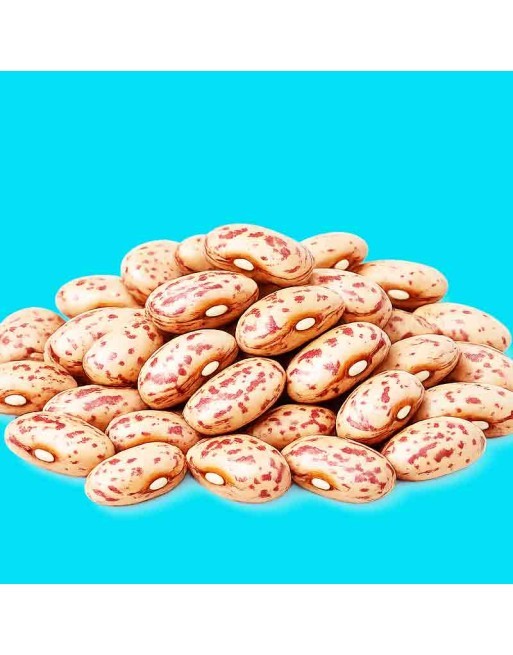
Very productive variety. medium-early cycle. The pods are green and produce, ripe, white and elongated seeds ideal for vegetable soups
Small white bean Bush variety. Easy to grow. 65 or so days. You can pick them small and use as a fresh bean if you wish. Plant after soil has warmed up well, 1 seed every two inches 3/4 inch deep. Space rows 12 inches. Pick when pods are full and have started to dry out, shell and store in glass jar with a lid can be stored for your hearty winter soups and stews..
An early dwarf variety for shelling. Elongated white seed and long green pods that are wide and cylindrical. The beans can either be dried or consumed fresh. Fresh beans should be picked when the pods begin to turn yellow. SOWING: from March to August in rows 50-70 cm apart.
| Type | Bean/Pea |
| Family | Legume Family |
| Temperature Soil | 60F |
| Temperature Daytime | 70-85F |
| Temperature Evening | 60F+ |
| Lighting | Full, 6-8 Hours Per Day |
| Water | Steady: 6 Gallons / Week |
| Maturity | Moderate: 55-70 Days Harvest |
| PH Neutral | 5.5-7.5 |
| Zones | 3A-11B |
| Plant Placement | 16 Plants, 8 Per Row |
Packet: 33 grams of seed
Beans are highly-productive, easy-to-grow crops. Pole beans and peas are tall, vining crops that will need trellising support, such as the Staking System. Pole beans and peas continue producing throughout the growing season, allowing for ongoing harvests and fresh vegetables to eat with lunch or dinner every few days. Frequent harvesting of pole beans helps ensure that the plants keep producing. Bush beans, such as soybeans, don’t need much support since they are more robust and compact. Bush bean crops usually mature all at once, which means you'll wind up with a very large harvest at the end of the growing season. Since bush bean crops reach maturity all at the same time, they are perfect to grow if you wish to preserve several batches by freezing or canning to use at a later date. Harvest any beans or peas when they are just full and average-size. Letting them get too large can result in tough, "woody" beans with decreased flavor.
COMMON PESTS: Aphids, Mexican Bean Beetles, Japanese Beetles, Cucumber Beetles
SUSCEPTIBLE TO: White Mold, Mosaic Virus, Fusarium Wilt, Blossom Drop
Very productive variety. medium-early cycle. The pods are green and produce, ripe, white and elongated seeds ideal for vegetable soups
Small white bean Bush variety. Easy to grow. 65 or so days. You can pick them small and use as a fresh bean if you wish. Plant after soil has warmed up well, 1 seed every two inches 3/4 inch deep. Space rows 12 inches. Pick when pods are full and have started to dry out, shell and store in glass jar with a lid can be stored for your hearty winter soups and stews..
An early dwarf variety for shelling. Elongated white seed and long green pods that are wide and cylindrical. The beans can either be dried or consumed fresh. Fresh beans should be picked when the pods begin to turn yellow. SOWING: from March to August in rows 50-70 cm apart.
| Type | Bean/Pea |
| Family | Legume Family |
| Temperature Soil | 60F |
| Temperature Daytime | 70-85F |
| Temperature Evening | 60F+ |
| Lighting | Full, 6-8 Hours Per Day |
| Water | Steady: 6 Gallons / Week |
| Maturity | Moderate: 55-70 Days Harvest |
| PH Neutral | 5.5-7.5 |
| Zones | 3A-11B |
| Plant Placement | 16 Plants, 8 Per Row |
Packet: 33 grams of seed