



List of products by brand SEED2GO GOLD Garden Seeds

Seed2Go Gold Series is a premium brand of mixed varieties for vegetable, bean, pea, peppers, tomatos, and herbs where for every package ordered, 10% of profits are donated to goodwill. 

There are 319 products.

Showing 311-319 of 319 item(s)

Browse catalog by type and build your cart by clicking add to cart. Once clicked and spinner starts, the item is automatically in your shopping cart. When ready to checkout, view your cart and select "Place My Order."


10% of all profits are donated to goodwill projects at our expense.
Black Panther Ghost Pepper, Neyde Pepper of Brazil,  Pepper Seeds - [ Shop Canadian Seeds Online ]  - Pepper Seeds -
  • On sale!

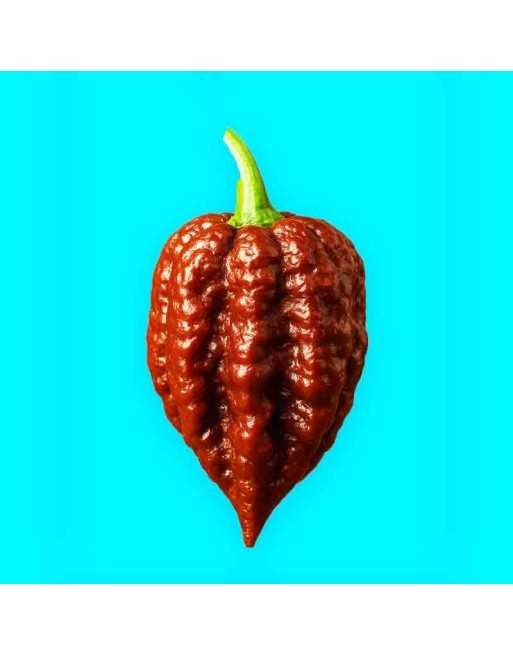
Black Panther Ghost Pepper, Neyde Pepper of Brazil, Pepper Seeds

Length: 2-3″

Scoville (heat): 1,300,000+ SHUs

Color: Black to red, orange

Species: C. chinense

Seed to Harvest: 180+ days

Fruity flavor and a beautiful scent.

The Black Panther pepper is a superhot hybrid created by crossing the Bhut Jolokia (Ghost Pepper) with Pimenta de Neyde, prized for its dramatic appearance and extreme heat. The plant features striking dark purple to nearly black foliage and pods that mature from deep purple to vibrant orange with occasional streaking. Delivering an intense heat typically ranging from 1,000,000 to 1,200,000 Scoville Heat Units, it rivals the Ghost Pepper while offering a complex fruity and floral flavor reminiscent of its parent varieties. The thin-walled pods are ideal for drying, powdering, or crafting distinctive, high-heat hot sauces. While germination can be challenging, the plant rewards growers with both exceptional beauty and formidable heat, making it a favorite among chili enthusiasts and extreme heat lovers.

Type Peppers
Family Nightshade Family
Temperature Soil 65-80F
Temperature Daytime 70-90F
Temperature Evening 60+F
Lighting Full Sun, 6-8 Hours/Day
Water Heavy, 6 Gallons/Day
Maturity Moderate, 65-85 Days Harvest
PH Neutral 5.5-7.0
Zones 4A-11B
Plant Placement 6 Plants, 3  Row
★★★★★ In Stock
Price $5.99

Scotch Bonnet Pepper Mix: Yellow, Red, Chocolate, Orange

Scotch bonnet, also known as bonney peppers, or Caribbean peppers, is a variety of chili pepper named for its resemblance to a tam o' shanter hat. It is ubiquitous in West Africa. Most Scotch bonnets have a heat rating of 100,000–350,000 Scoville units.

WEAR GLOVES WHEN HANDLING, DO NOT TOUCH YOUR EYES! WASH HANDS AFTER TOUCHING!

Cultivar: 'Scotch Bonnet'

Heat: Very hot

Scoville scale: 100,000–350,000 SHU

Yellow Scotch Bonnet - This pepper gives Jamaican chicken dishes their special flavor! Scotch Bonnet goes by several names including Jamaican Hot, Martinique Pepper and Bahama Mama. It is closely related to the habanero, but with a sweeter flavor and stouter shape. The pods are 1-1/2" wide and 1-1/2" long and have a citrus-like flavor with a lot of heat. They mature from green to bright yellow on very productive 24" tall plants.  Capsiucum chinense (90 days). 

Capsiucum chinense strains require a great deal of attention during the germination process. Moisture and a constant and consistent heat range must be maintained. Place the seeds in sterile media and cover 1/4” deep. Provide 85°F bottom heat, bright light and keep moist at all times. Seeds will germinate in 7 - 21 days. Transplant seedlings into pots and grow until there are 6 true leaves on the plant. Plant them directly into rich soil, 30” apart or into containers. 

★★★★★ In Stock
Price $6.99
Guyana Wiri Wiri Pepper (Red & Yellow), Hot Pepper Seeds, South America - [ Shop Canadian Seeds Online ]  - Pepper Seeds -
  • On sale!
  • New

Guyana Wiri Wiri Pepper (Red & Yellow), Hot Pepper Seeds, South America

100,000 – 350,000 SHU — similar heat range to a Habanero pepper, delivering strong heat with rich flavor.:

The Guyana Wiri Wiri is a small, round cherry-shaped chili pepper traditionally grown in South America, especially in Guyana. These vibrant peppers mature into bright red and yellow colors and are known for their intense heat balanced with a fruity, slightly smoky flavor. Wiri Wiri peppers are commonly used in Caribbean and Guyanese cooking, particularly in hot sauces, stews, marinades, and pepper sauces. Despite their tiny size, they pack a powerful punch and are prized for their aromatic taste and vibrant appearance.

Type Peppers
Family Nightshade Family
Temperature Soil 65-80F
Temperature Daytime 70-90F
Temperature Evening 60+F
Lighting Full Sun, 6-8 Hours/Day
Water Heavy, 6 Gallons/Day
Maturity Moderate, 65-85 Days Harvest
PH Neutral 5.5-7.0
Zones 4A-11B
Plant Placement 6 Plants, 3  Row
★★★★★ In Stock
Price $6.99

Mulberry Berry Seeds

Mulberry seeds are tiny, typically dark, and require specific pretreatment (soaking, then cold stratification) to germinate, producing fast-growing trees with sweet, edible berries (white, red, or black) and leaves used for tea or fodder, though they need care as they can hybridize with native species and their milky sap can be mildly toxic if ingested.

Size: Very small.

Appearance: Varies by type (e.g., white, red).

Pretreatment: Soak in water for days (changing water daily), then cold stratify (moist chilling) for months (e.g., 90-120 days) before sowing.

Sowing: Surface sow after stratification in a peat/perlite mix, keeping moist.

Germination: Can take weeks to months after proper stratification. 

White Mulberry (Morus alba): Fast-growing, sweet, pinkish-white to lavender berries; leaves are silk-worm food.

Red Mulberry (Morus rubra): Native, heart-shaped leaves, dark berries, sweeter than white.

Fruit: Sweet, oblong, stain-free (white), used fresh or for jams/drying; unripe fruit causes issues.

Leaves/Sap: Edible (tea), but the milky sap is mildly toxic. 

Growing Notes

Hardiness: Varies by type (Zones 4-8 common).

Sun/Soil: Full sun, prefers moist, humus-rich soil but adaptable.

Pollen: Male trees produce pollen, causing allergy issues; female trees absorb pollen, making them allergy-friendly. 

★★★★★ In Stock
Price $6.99

Elderberry Berry Seeds

Elderberry seeds come from shrubs known for fragrant white flowers and dark berries used in syrups/jams, requiring specific warm/cold treatments (stratification) to germinate, as untreated seeds stay dormant; they grow into fast-spreading bushes with medicinal/ornamental value, but seeds, stems, leaves, and roots contain toxins, so only ripe, cooked berries are safe. 

Type: Hardy, deciduous, multi-stemmed shrubs/small trees.

Flowers: Tiny, fragrant, white/cream, in large, flat-topped clusters (umbels) in spring/early summer.

Fruit: Clusters of dark purple-black berries (or red, depending on variety) in late summer, edible when cooked.

Size: Typically 5-12 feet tall, can form colonies by suckering.

Habitat: Prefers moist soils, found in woodlands, streambanks, roadsides. 

Appearance: Very small, dark seeds.

Dormancy: Seeds have deep dormancy and need specific pretreatment (stratification) to sprout.

Treatment: Requires a warm period (60 days) followed by a long, cold, moist period (150 days), mimicking winter conditions.

Planting: Sow shallowly (just under surface), keep moist; usually takes 1-3 years to establish from seed.

Note: Growing from cuttings is often faster and more predictable than from seed. 

Uses & Caution

Culinary: Flowers for cordials; cooked berries for syrups, jams, jellies, wines.

Wildlife: Flowers attract pollinators; berries feed birds.

Medicinal: Berries used in immune-supportive syrups.

TOXICITY: Seeds, leaves, stems, and roots contain cyanide-inducing glycosides; must be cooked to be safe. 

★★★★★ In Stock
Price $6.99