







![Rattlesnake Pole Bean, Native Indian - [ Seed2Go.ca ] - [Seed Packets] - Bean/Pea -](https://www.seed2go.ca/7720-large_default/rattlesnake-pole-bean-indian.jpg "Rattlesnake Pole Bean, Native Indian - [ Seed2Go.ca ] - [Seed Packets] - Bean/Pea -")

*Existing Repeat Customers Discounted Too!


![Rattlesnake Pole Bean, Native Indian - [ Seed2Go.ca ] - [Seed Packets] - Bean/Pea -](https://www.seed2go.ca/7720-home_default/rattlesnake-pole-bean-indian.jpg "Rattlesnake Pole Bean, Native Indian - [ Seed2Go.ca ] - [Seed Packets] - Bean/Pea -")
![Rattlesnake Pole Bean, Native Indian - [ Seed2Go.ca ] - [Seed Packets] - Bean/Pea -](https://www.seed2go.ca/5815-home_default/rattlesnake-pole-bean-indian.jpg "Rattlesnake Pole Bean, Native Indian - [ Seed2Go.ca ] - [Seed Packets] - Bean/Pea -")
Reference: OC2-VG-RPB

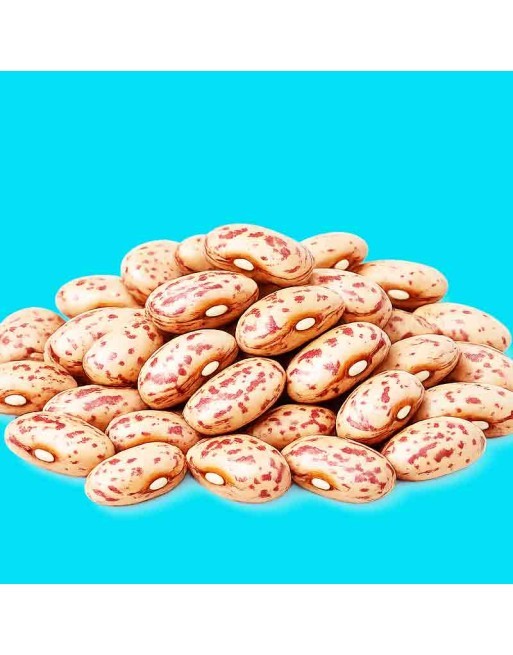
The beans are not great raw (like sugar snap peas), but are excellent when the entire bean is sautéed while they are young. These beans can range from about 3 inches up to 6 inches long, with the pods being quite hearty when at full length.
Sow 3 to 4 rattlesnake bean seeds at a depth of 1 inch and about 4 inches apart. If using If using a teepee or pole trellis system, sow seeds at the base of each stake. Water the bean patch after sowing seeds if no rainfall is expected and at least once a week throughout the growing season when no rainfall occurs.
Further historical info states that Rattlesnake beans hail from the Southwestern United States, in particular the Hopi Indians and sown with the aid of Kokopelli, a mythological being associated with fertility and germination. This variety of bean is drought resistant and perfect for sandy soils.
|
|
Bean/Pea |
| Family | Legume Family |
| Temperature Soil | 60F |
| Temperature Daytime | 70-85F |
| Temperature Evening | 60F+ |
| Lighting | Full, 6-8 Hours Per Day |
| Water | Steady: 6 Gallons / Week |
| Maturity | Moderate: 55-70 Days Harvest |
| PH Neutral | 5.5-7.5 |
| Zones | 3A-11B |
| Plant Placement | 16 Plants, 8 Per Row |
Packet: 33 grams of seed
"Phaseolus vulgaris - Rattlesnake cultivar" by Eric Polk is licensed under CC BY-SA 4.0.
Beans are highly-productive, easy-to-grow crops. Pole beans and peas are tall, vining crops that will need trellising support, such as the Staking System. Pole beans and peas continue producing throughout the growing season, allowing for ongoing harvests and fresh vegetables to eat with lunch or dinner every few days. Frequent harvesting of pole beans helps ensure that the plants keep producing. Bush beans, such as soybeans, don’t need much support since they are more robust and compact. Bush bean crops usually mature all at once, which means you'll wind up with a very large harvest at the end of the growing season. Since bush bean crops reach maturity all at the same time, they are perfect to grow if you wish to preserve several batches by freezing or canning to use at a later date. Harvest any beans or peas when they are just full and average-size. Letting them get too large can result in tough, "woody" beans with decreased flavor.
COMMON PESTS: Aphids, Mexican Bean Beetles, Japanese Beetles, Cucumber Beetles
SUSCEPTIBLE TO: White Mold, Mosaic Virus, Fusarium Wilt, Blossom Drop
The beans are not great raw (like sugar snap peas), but are excellent when the entire bean is sautéed while they are young. These beans can range from about 3 inches up to 6 inches long, with the pods being quite hearty when at full length.
Sow 3 to 4 rattlesnake bean seeds at a depth of 1 inch and about 4 inches apart. If using If using a teepee or pole trellis system, sow seeds at the base of each stake. Water the bean patch after sowing seeds if no rainfall is expected and at least once a week throughout the growing season when no rainfall occurs.
Further historical info states that Rattlesnake beans hail from the Southwestern United States, in particular the Hopi Indians and sown with the aid of Kokopelli, a mythological being associated with fertility and germination. This variety of bean is drought resistant and perfect for sandy soils.
|
|
Bean/Pea |
| Family | Legume Family |
| Temperature Soil | 60F |
| Temperature Daytime | 70-85F |
| Temperature Evening | 60F+ |
| Lighting | Full, 6-8 Hours Per Day |
| Water | Steady: 6 Gallons / Week |
| Maturity | Moderate: 55-70 Days Harvest |
| PH Neutral | 5.5-7.5 |
| Zones | 3A-11B |
| Plant Placement | 16 Plants, 8 Per Row |
Packet: 33 grams of seed